Garden Borders and Planting Beds in Newcastle: Integrating Planting with Hard Landscaping
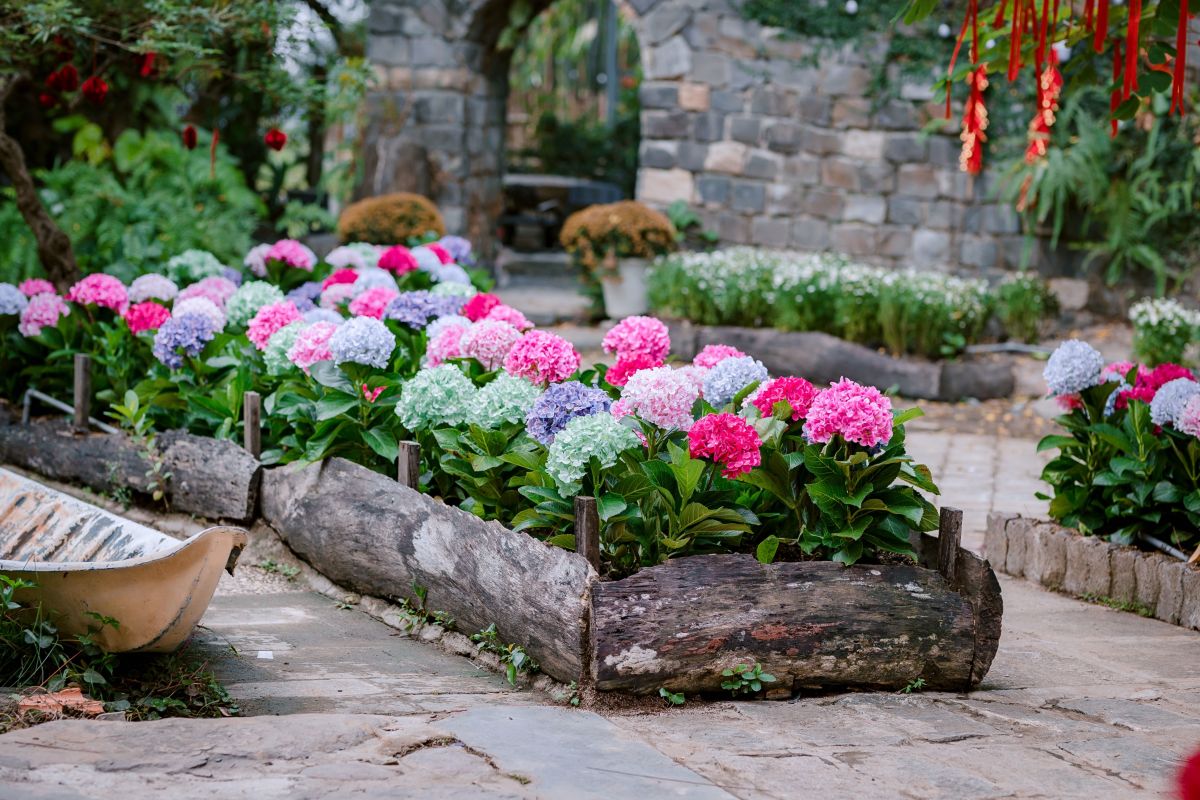
A garden renovation in Newcastle that focuses entirely on hard landscaping - patio, decking, fencing - and treats the planting as an afterthought ends up feeling unfinished. The planting beds and borders are what soften the hard edges, introduce colour and seasonal interest, and make the space feel like a garden rather than an outdoor room. In a north-east climate where the growing season is shorter than further south, where frost is a real factor through to late spring, and where the prevailing wind off the North Sea can be drying and damaging to some plants, getting the planting right means choosing for the conditions rather than for what looks good in a garden centre in May.
Integrating Borders into the Hard Landscaping Plan
The most common mistake in Newcastle garden design is treating the planting beds as the spaces left over after the hard landscaping is laid out. Well-integrated gardens design the borders and beds as part of the plan from the start - their position, depth, and height relationship to adjacent paving or decking all affect how the finished garden looks and functions.
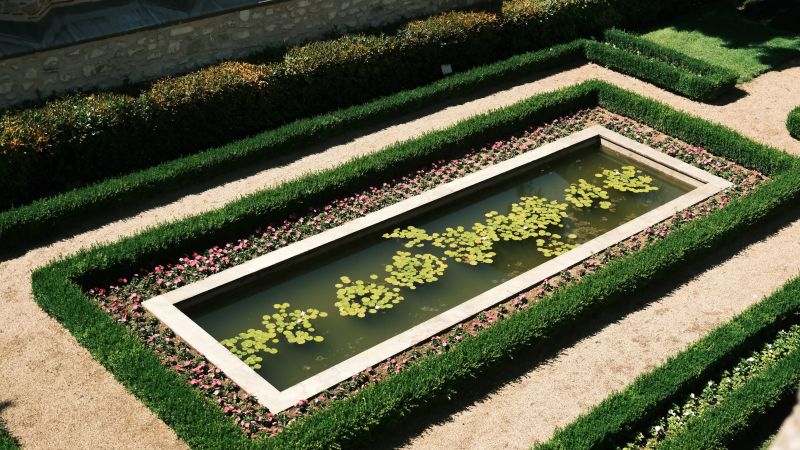
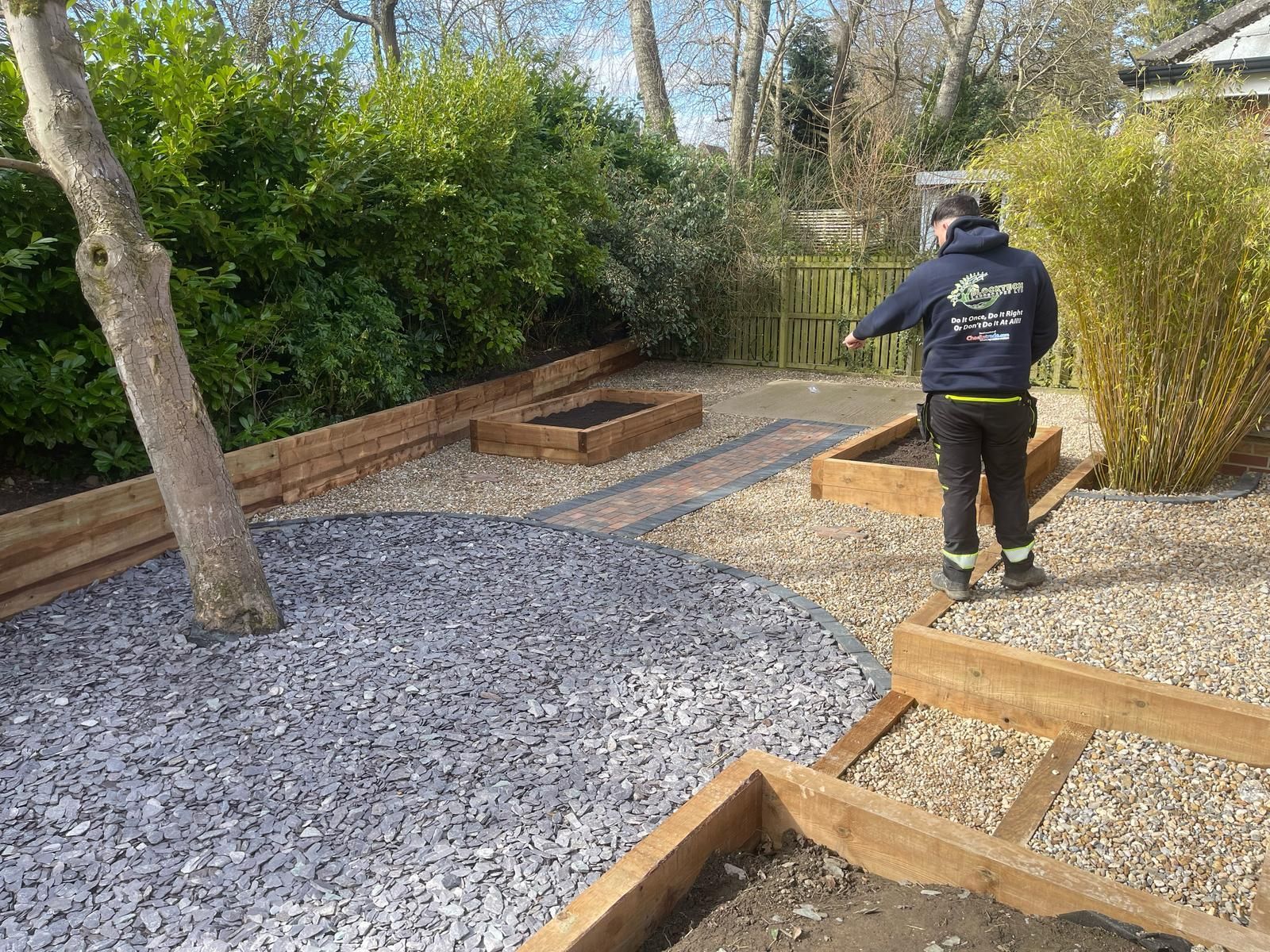
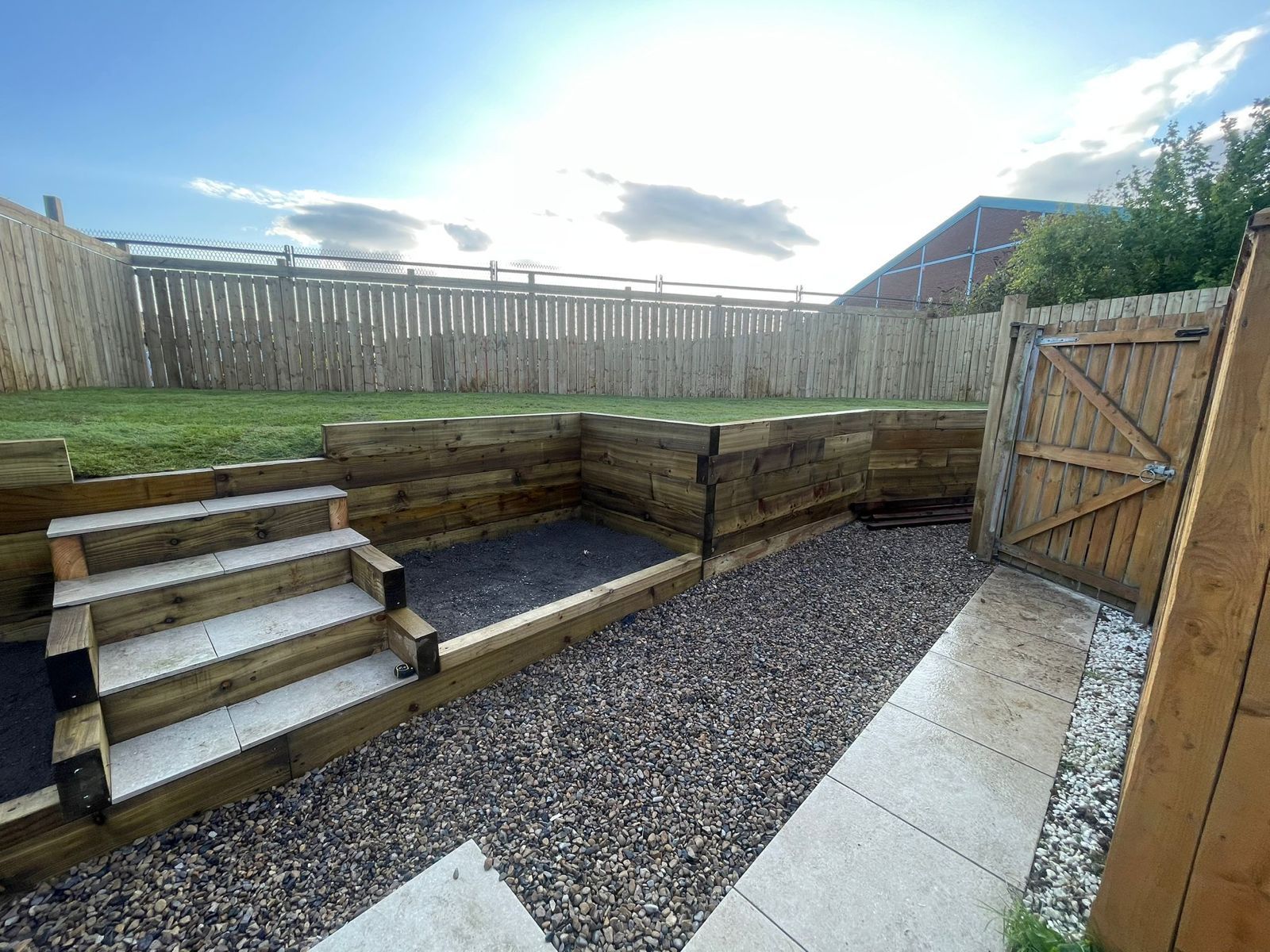
Blocktech Landscapes Ltd designs and builds complete garden schemes across Newcastle, and the planting plan is always part of the initial design rather than something bolted on afterwards. A raised border at the edge of a patio creates a visual separation between sitting area and garden. A deep, well-prepared bed along a fence line softens the boundary significantly more than a shallow bed with poor soil. The depth of a planting bed - at least 600mm deep to give plant roots room - determines whether the plants perform long-term.
Soil Preparation in Newcastle Gardens
Newcastle's urban soils vary considerably. Many residential gardens in established areas like Fenham, Heaton, and Walker have soils that have been disturbed by building work, compacted by foot traffic, or depleted through years of use without amendment. Planting into unprepared soil is one of the most common reasons garden planting fails within two to three years.

Before planting, beds need: the existing soil assessed for drainage, compaction broken up to at least 400mm depth, organic matter incorporated throughout (well-rotted manure or garden compost, at least one part in three), and drainage improved where necessary. In gardens with clay-heavy soils - common in Newcastle's older residential areas - adding horticultural grit as well as organic matter makes a significant difference to plant performance and survival through the wet winters.
Plants That Work in Newcastle's Climate
The north-east climate rules out some plants that perform well further south: plants that need dry conditions in winter, those that won't tolerate frost below -5°C reliably, and those from Mediterranean climates that need full sun and warmth through summer. What works well is the range of plants that actually enjoy cooler temperatures: hardy geraniums, astilbes, hostas in shaded positions, heucheras, ornamental grasses, sedums, and shrubs like Viburnum, Spiraea, and Mahonia.
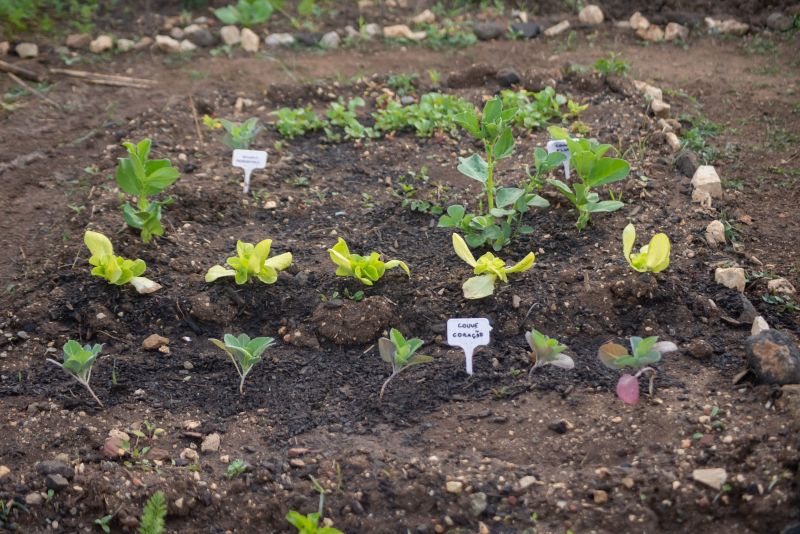
For structural planting that survives Newcastle winters without attention: Pittosporum tenuifolium is borderline hardy but survives most years; Fatsia japonica is fully hardy and provides year-round structure; Euonymus and Choisya are both reliable. For seasonal colour, hardy perennials rather than bedding plants give better value - they return each year rather than needing replanting.
Edging: Where Hard Landscaping Meets Planting
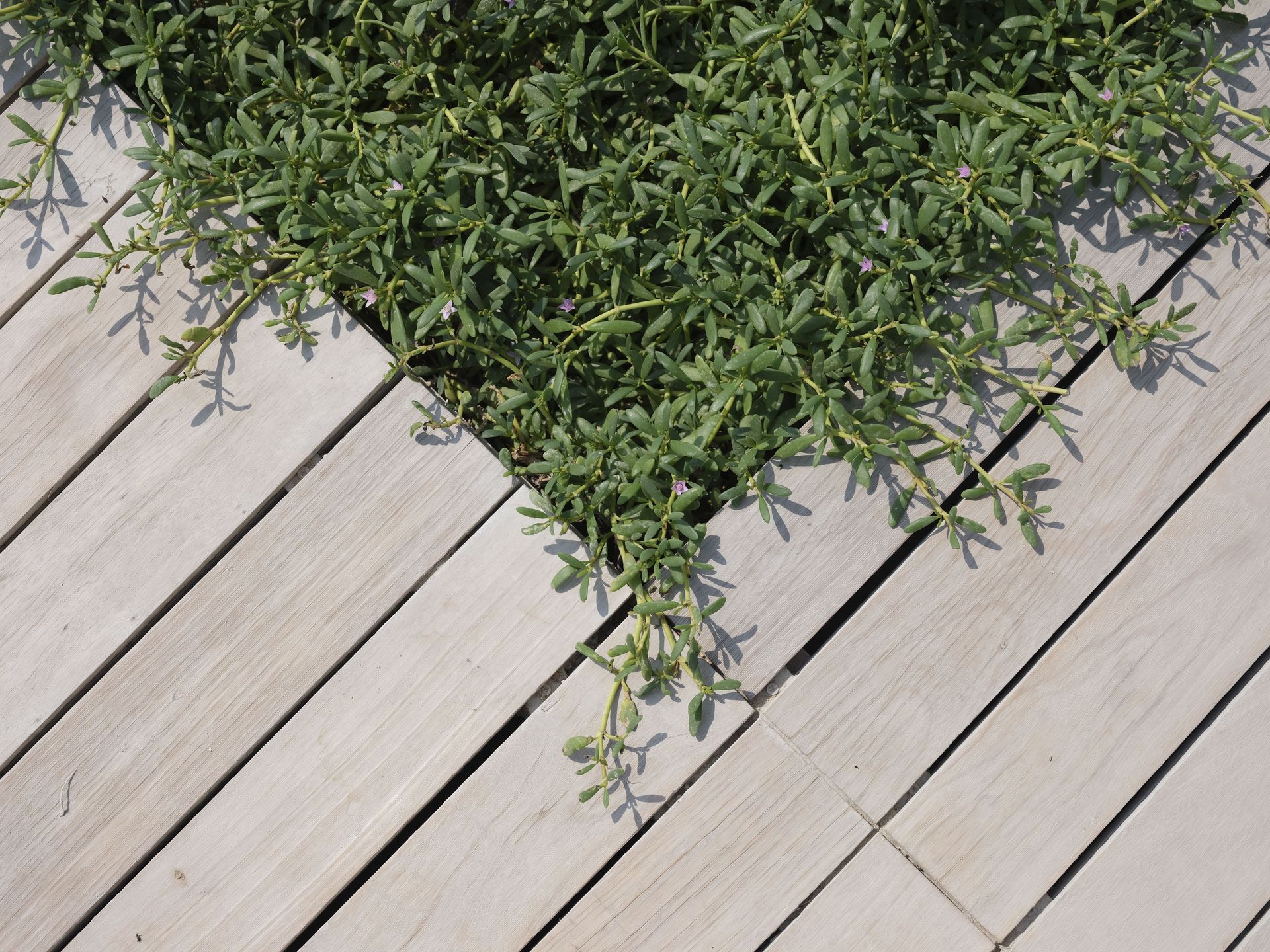
We've covered garden fencing for Newcastle gardens and the same attention to detail applies to the edge where paving or lawn meets a planting bed. A well-defined edge - whether a steel edging strip, a line of granite setts, or a simple clean-cut border - prevents grass and weeds from growing into the bed and prevents soil from spilling onto the paving.
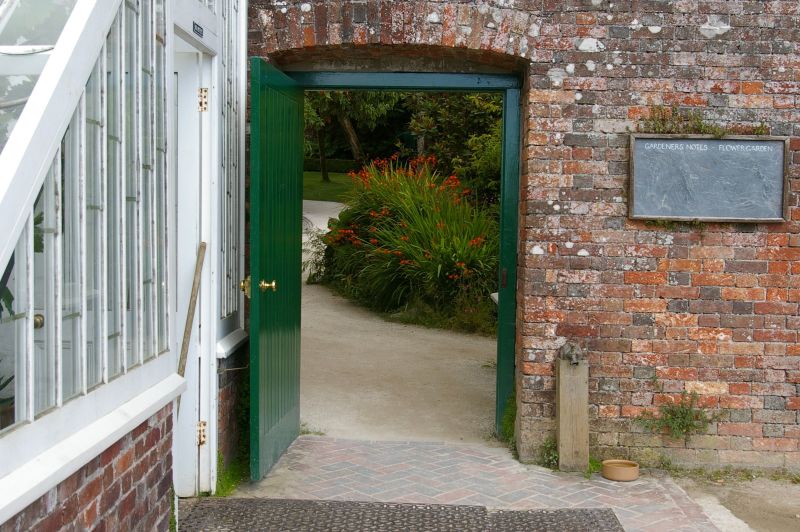
The depth of the edging matters: a 50mm depth of steel edging strip set flush with the paving gives a clean contemporary finish; a deeper edging board creates a raised bed effect. Both work; the choice depends on the design intent.
Mulching for Newcastle's Climate
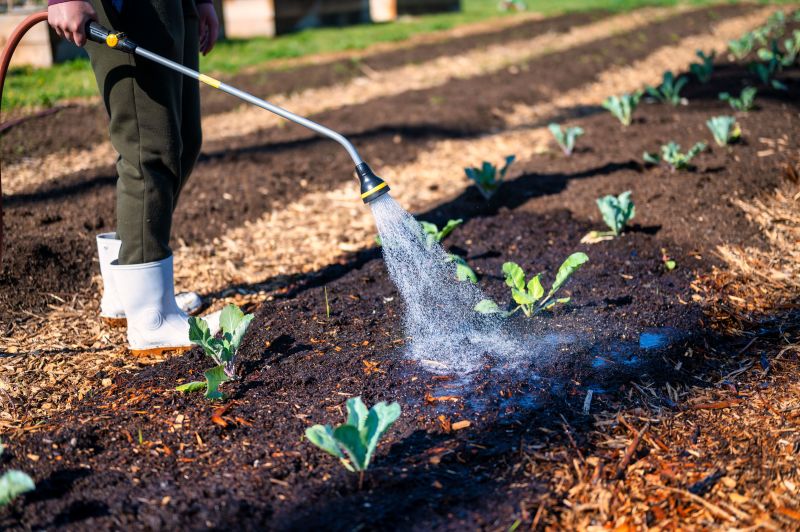
Mulching planting beds in autumn serves two functions in Newcastle: it insulates the roots of borderline-hardy plants through frost periods, and it suppresses weeds through the growing season. A 50-75mm layer of bark mulch or composted wood chip applied after the ground has cooled in late October maintains soil moisture, moderates soil temperature, and significantly reduces weed germination. Reapplied every two to three years, it also improves soil structure as it decomposes.
FAQ
Q: How deep should planting beds be in a Newcastle garden?
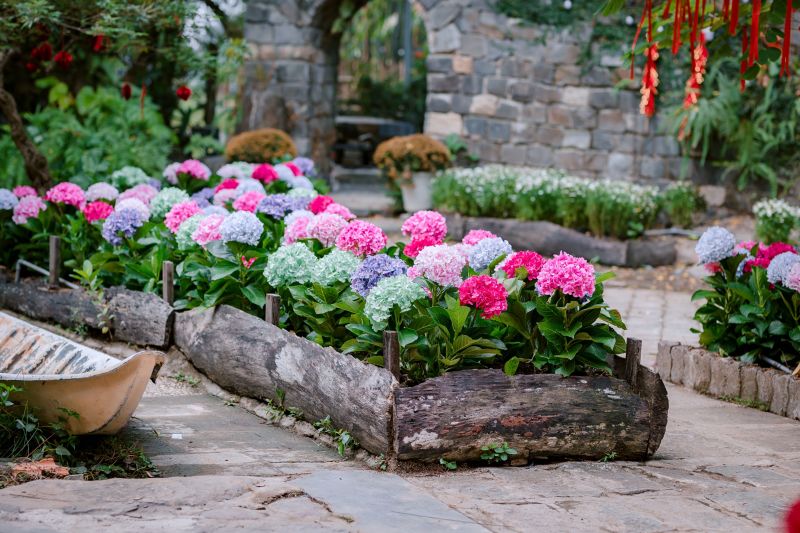
At least 600mm deep measured from the edge of adjacent paving or lawn to give plant roots adequate space. Shallower beds limit what will thrive and make the planting look thin. Depth also improves drainage, which matters through Newcastle's wet winters.
Q: What plants are reliably hardy for Newcastle borders?
Hardy geraniums, Viburnum, Spiraea, Fatsia japonica, Euonymus, ornamental grasses, sedums, heucheras, and hostas in shaded positions all perform reliably. Avoid plants from Mediterranean climates or those requiring winter dryness - they struggle in the north-east's wet, cold winters.
Q: How do I stop grass growing into planting beds in a Newcastle garden?
Install a proper edging strip - steel edging flush with the paving is the cleanest option for contemporary gardens. Without edging, grass and weeds spread into the bed consistently and require constant maintenance to keep clear.
Q: Is soil preparation worth doing before planting in Newcastle?
Yes, consistently. Poor soil is the most common reason garden planting fails within two to three years. Breaking up compaction, adding organic matter, and improving drainage takes half a day but determines whether plants perform for five to ten years or struggle from the start.
Q: When is the best time to plant borders in a Newcastle garden?
Early autumn (September-October) for most hardy perennials and shrubs - the soil is still warm enough for roots to establish before frost, and plants have winter to settle in before the growing season. Spring is the second-best time. Avoid midsummer planting when new plants struggle to establish in dry conditions.
Q: How often should mulch be applied to Newcastle planting beds?
Every two to three years is typically sufficient for bark mulch or composted wood chip. Apply a 50-75mm layer in late October after the soil has cooled. This insulates borderline-hardy plants, suppresses weeds, and improves soil structure as it breaks down.
Ready to work with Blocktech Landscapes Ltd?
Let's connect! We’re here to help.
Send us a message and we’ll be in touch.
Or give us a call today at 07351542487
Agency Contact Form
More Marketing Tips, Tricks & Tools
Blocktech Landscapes Ltd