Sloped Garden in Newcastle? Here's How to Make It Work for You
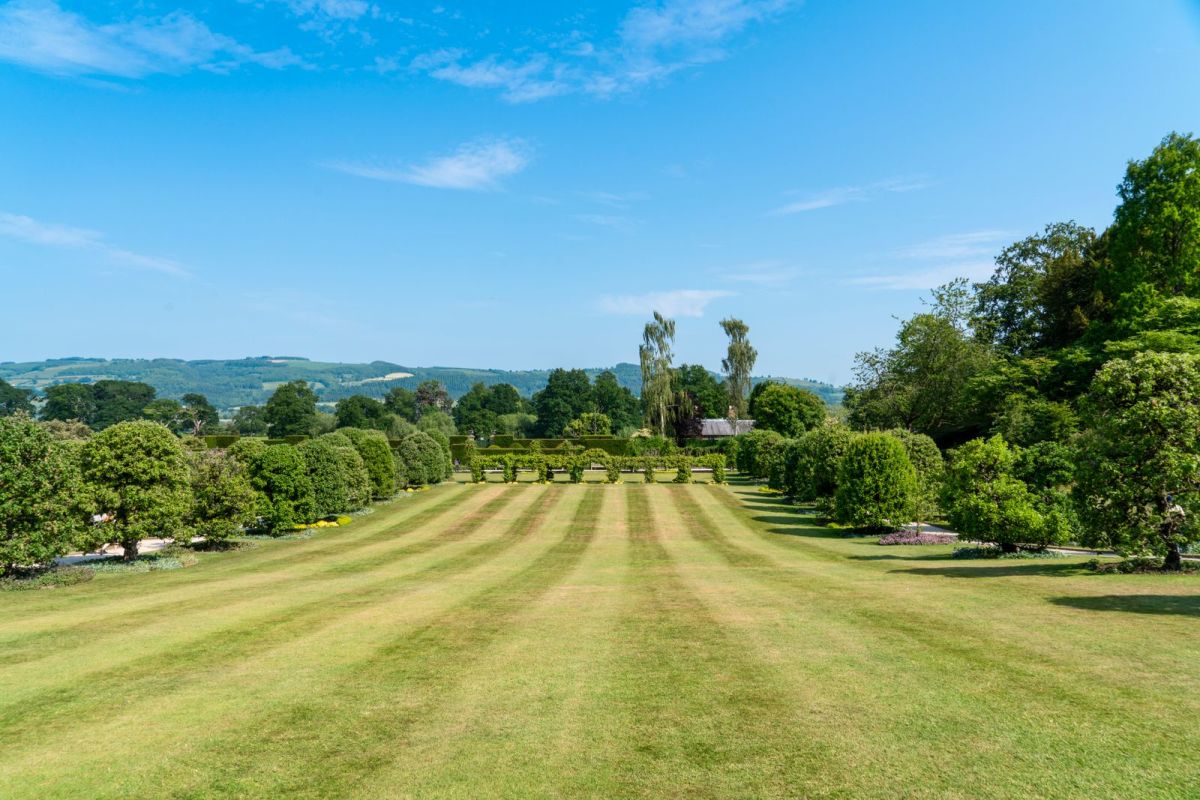
Newcastle's terrain means a lot of gardens, particularly in areas like Heaton, Jesmond, and parts of the West End, sit on some kind of slope, sometimes a gentle rise, sometimes enough of a drop that the bottom of the garden feels like a different property entirely. A lot of people with sloped gardens end up just not really using them, the slope feels like an obstacle rather than a feature, so the space gets left as rough grass that's awkward to mow and not particularly pleasant to sit in.
Terracing: Turning a Slope Into Usable Levels
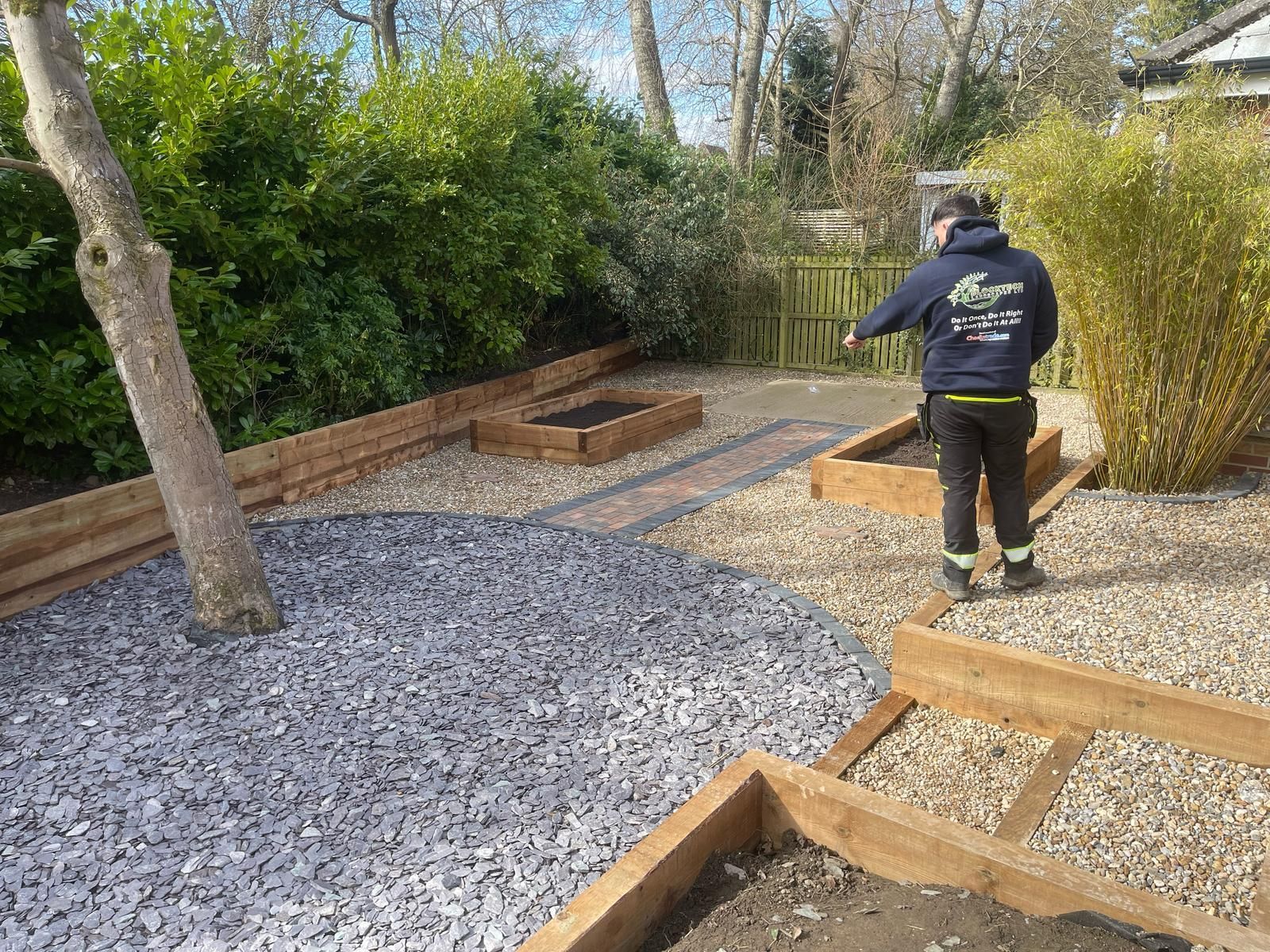
If your garden has more slope than lawn, Blocktech Landscapes can usually walk the site and talk through what's actually achievable, since the right approach depends heavily on how steep the slope is and what's underneath it.
Terracing splits a slope into a series of flat, level areas connected by steps or short retaining walls. This is the most common approach for gardens with a moderate to steep slope, because it creates genuinely usable flat space, somewhere for a table and chairs, a lawn area for kids, a vegetable bed, rather than one continuous slope that's only good for looking at. The number of terraces and how they're laid out depends on the overall drop and the shape of the garden, but even a modest two-level terrace can transform how a garden gets used.
We've shared a before-and-after garden transformation in Ponteland, and terracing was a big part of what made that garden work, turning what had been an awkward, steep lawn into distinct areas that each had a purpose.
Retaining Walls Do More Than Hold Back Soil
Every terrace needs something to hold the soil back at the change in level, and that's where retaining walls come in. These need to be built properly, with appropriate drainage behind them, because a retaining wall that traps water against its back face is one of the most common causes of wall failure over time. Beyond the engineering side, retaining walls are also one of the biggest visual decisions in a sloped garden design, since they're often the most prominent hard landscaping feature, and material choice (brick, stone, sleepers, block) sets the tone for the whole garden.
Steps and Paths: Getting the Gradient Right
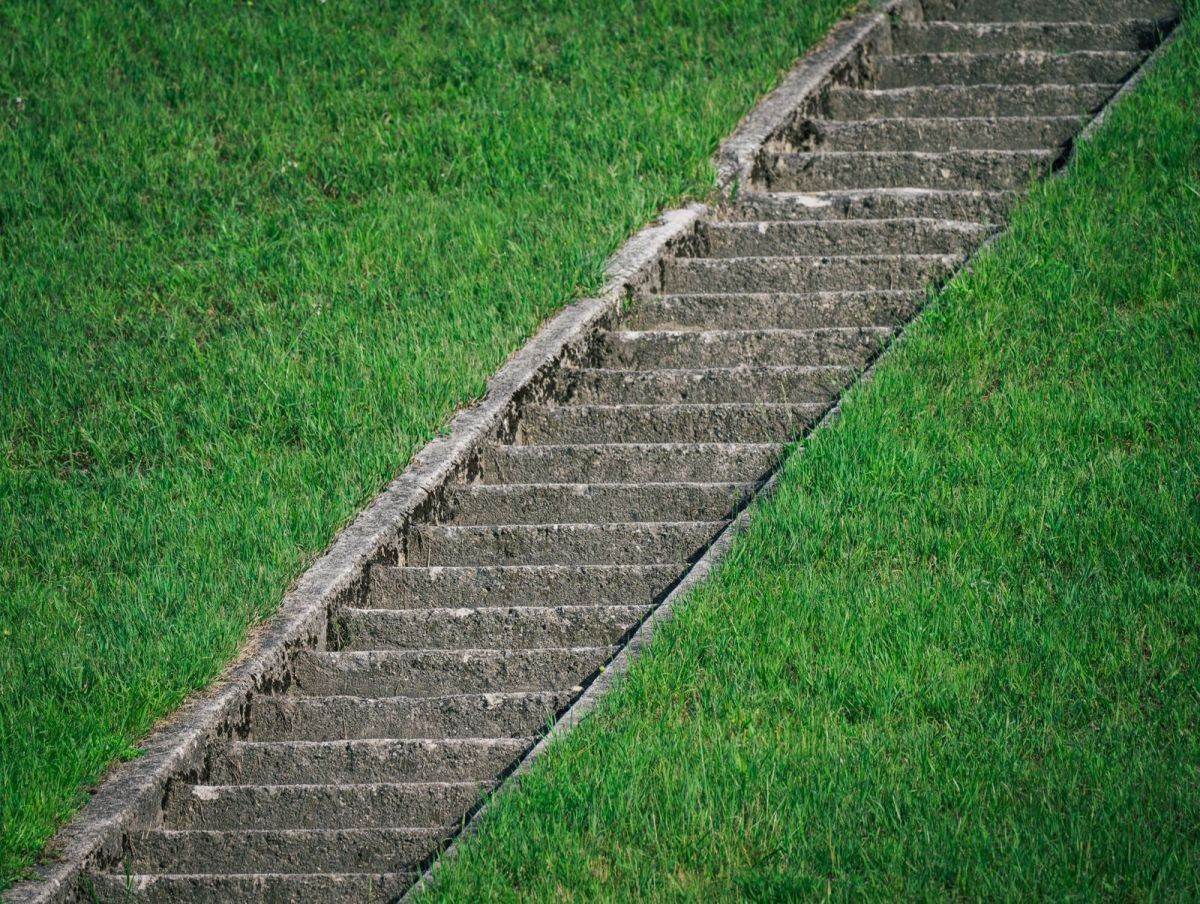
Steps connecting different levels need consistent, comfortable proportions, and this is somewhere that DIY sloped garden projects often go wrong. Steps that are too shallow feel awkward to use (you end up taking two steps per "step"), while steps that are too steep or have inconsistent rise heights are a genuine trip hazard, especially in wet weather, which in Newcastle is most of the year.
Paths on a slope have similar considerations. A path that runs directly up a slope is steeper than it needs to be and can become a small stream during heavy rain. Paths that traverse a slope at an angle, even subtly, are more comfortable to walk and handle drainage better.
Drainage: The Part That's Easy to Underestimate
Water runs downhill, which sounds obvious, but it has real consequences for how a sloped garden is designed. Without proper drainage, water from the upper part of the garden ends up pooling at the bottom, often right where you've put the patio or lawn area you actually want to use. Channel drains, French drains, and permeable surfaces at key points can redirect water before it becomes a problem, but this needs to be planned as part of the overall design, not added afterwards once someone notices the bottom of the garden is permanently soggy.
Planting on a Slope
Steep banks that aren't terraced still need to be planted with something, and bare soil on a slope erodes quickly, especially with Newcastle's rainfall. Ground cover plants with spreading root systems help bind the soil and reduce erosion, and on steeper banks, this is often a better long-term solution than trying to maintain grass, which is awkward and sometimes dangerous to mow on a steep gradient anyway.
What This Typically Involves Cost-Wise
Sloped garden projects vary more in cost than flat-garden landscaping, because the amount of groundwork, retaining structures, and levels involved depends entirely on how steep the slope is and how much of the garden is being changed. A small terraced seating area near the house costs considerably less than a full multi-level redesign of a steep garden, so it's worth thinking about which parts of the garden would make the biggest difference to how it's used, rather than assuming the whole slope needs addressing at once.
FAQ
Q: Can any sloped garden be terraced? A: Most can, though the number and size of terraces depends on the steepness of the slope and the overall shape of the garden. A garden survey is the best way to work out what's realistically achievable.
Q: Why do retaining walls need drainage behind them? A: Without drainage, water builds up behind the wall and puts pressure on it from the back, which is one of the most common causes of retaining wall failure over time.
Q: Is it better to do a sloped garden project all at once or in stages? A: It depends on the garden and budget, but focusing on the area that would make the biggest difference to how the garden is used, often the area nearest the house, can be a practical way to phase a larger project.
Q: What can I plant on a steep bank that's not being terraced? A: Ground cover plants with spreading root systems help bind the soil and reduce erosion, and are generally a more practical long-term option than grass on steeper gradients.
Ready to work with Blocktech Landscapes Ltd?
Let's connect! We’re here to help.
Send us a message and we’ll be in touch.
Or give us a call today at 07351542487
Agency Contact Form
More Marketing Tips, Tricks & Tools
Blocktech Landscapes Ltd