Garden Drainage Solutions in Newcastle: What to Do When Water Sits on Your Lawn or Patio
A garden that holds water after rain is more than an inconvenience. Waterlogged lawns die back in patches, patios develop green algae faster, and borders that sit wet for days lose plants to root rot. Newcastle's weather doesn't help - heavy rain, high annual rainfall, and clay-heavy soils in many parts of the city create conditions where drainage problems develop steadily over years and then seem to get worse all at once.
The fix depends on understanding why water is sitting. Not all drainage problems are the same.
Why Newcastle Gardens Hold Water
Clay soil. A large proportion of Newcastle's residential gardens sit on clay or clay-heavy soil. Clay drains slowly because the particles pack tightly, leaving little space for water to move through. When clay is also compacted - as it often is in gardens that have been walked on for years - drainage gets worse. Water sits on the surface until it evaporates rather than soaking in.
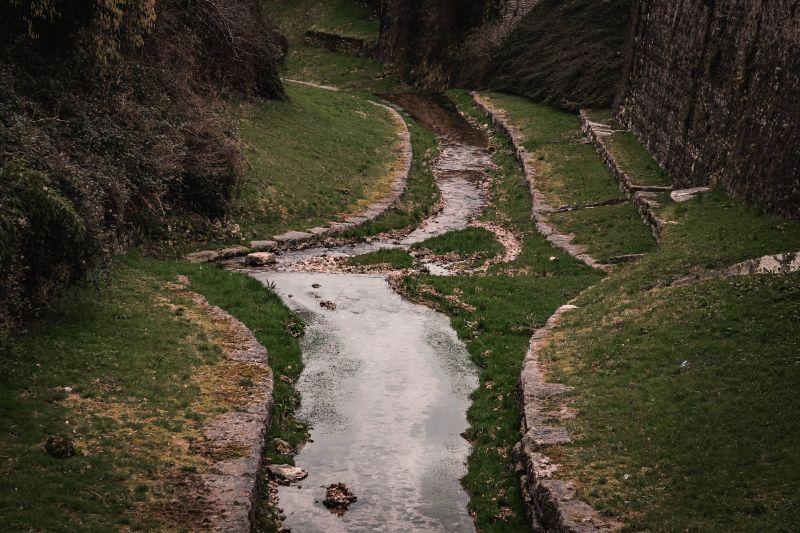
Impermeable surfaces draining onto soft ground. A large patio, driveway, or extension roof that sheds water onto an adjacent lawn or border can overwhelm the soil's natural drainage capacity even when the soil is reasonable. The volume hitting a small area is simply too much.
A high water table. In lower-lying parts of Newcastle and in valleys, the water table is naturally high. After sustained rain, the ground becomes saturated from below as well as above. French drains and soakaways help but can't overcome a genuinely high water table - in severe cases, a pumped drainage system is the only effective solution.
Compaction. Building work, heavy vehicles, or simply years of foot traffic compact the top 15-20cm of soil significantly. Water can't penetrate compacted ground even when the soil type below is reasonable.
Solutions That Work
French drain. A trench filled with gravel and a perforated pipe that collects water and redirects it away from the problem area - to a soakaway, a watercourse, or a drainage point. Effective for lawns and borders where water collects in a defined area. The key is getting the depth and fall right, and ensuring the outlet point can actually accept the volume.
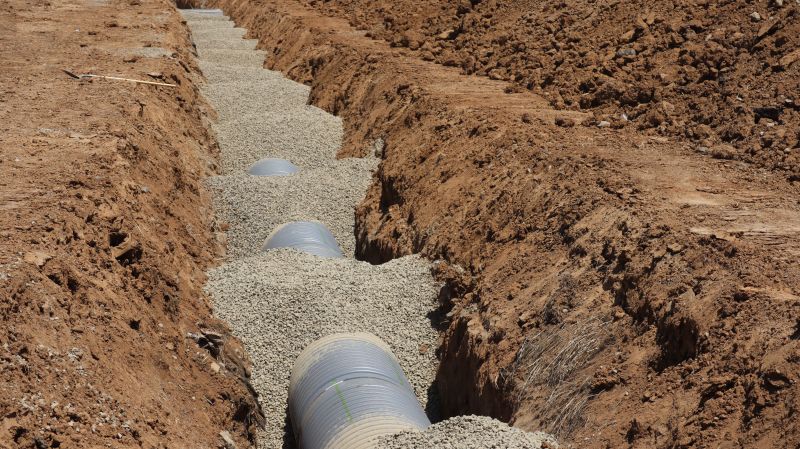
Soakaway. A rubble-filled pit or purpose-made plastic soakaway crate buried at depth that gives collected water somewhere to go. Works well when the soil below the problem zone has reasonable drainage capacity. Less effective in heavy clay or near the water table. Building Regulations apply to soakaways connected to roof drainage from extensions.
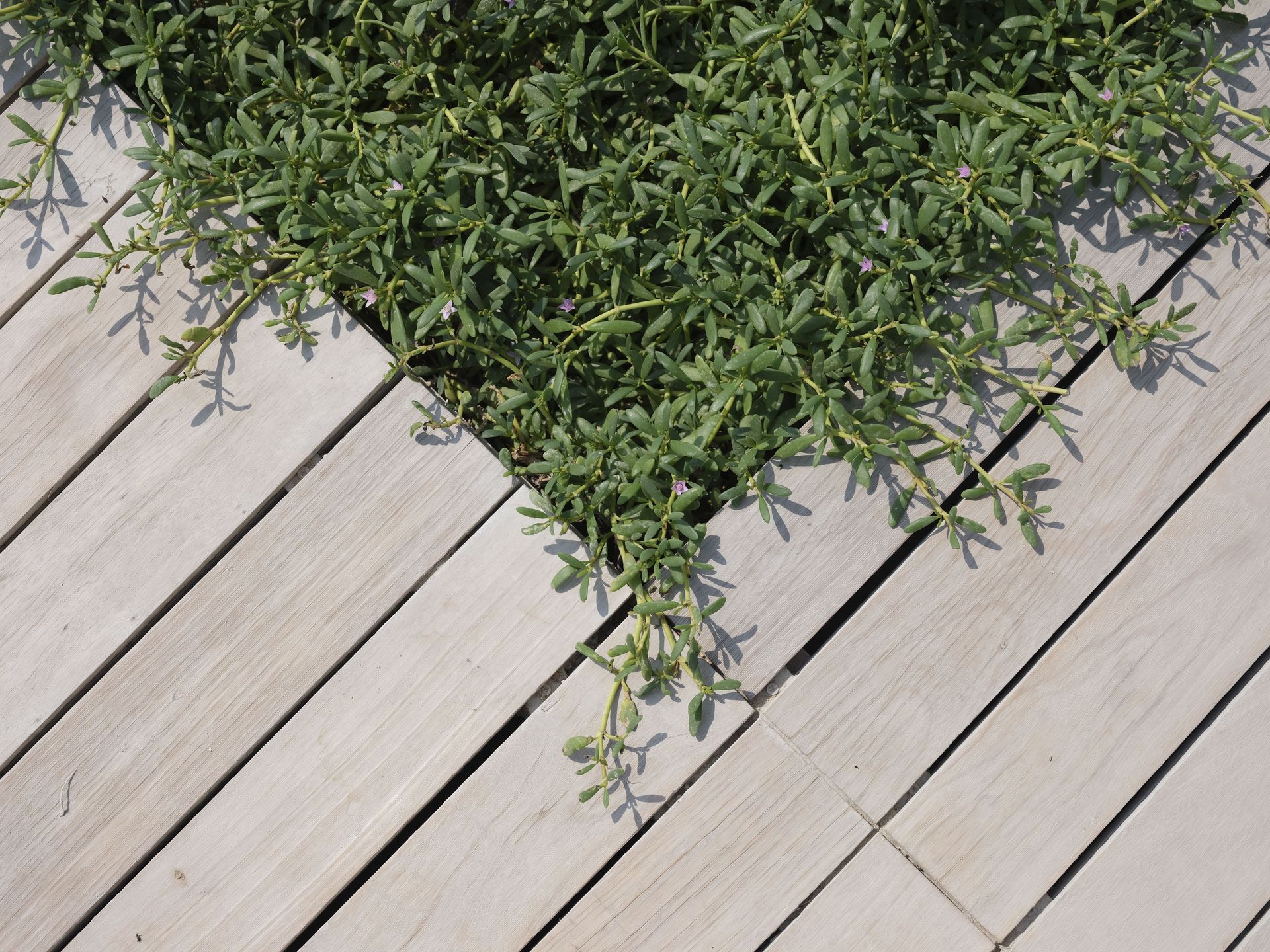
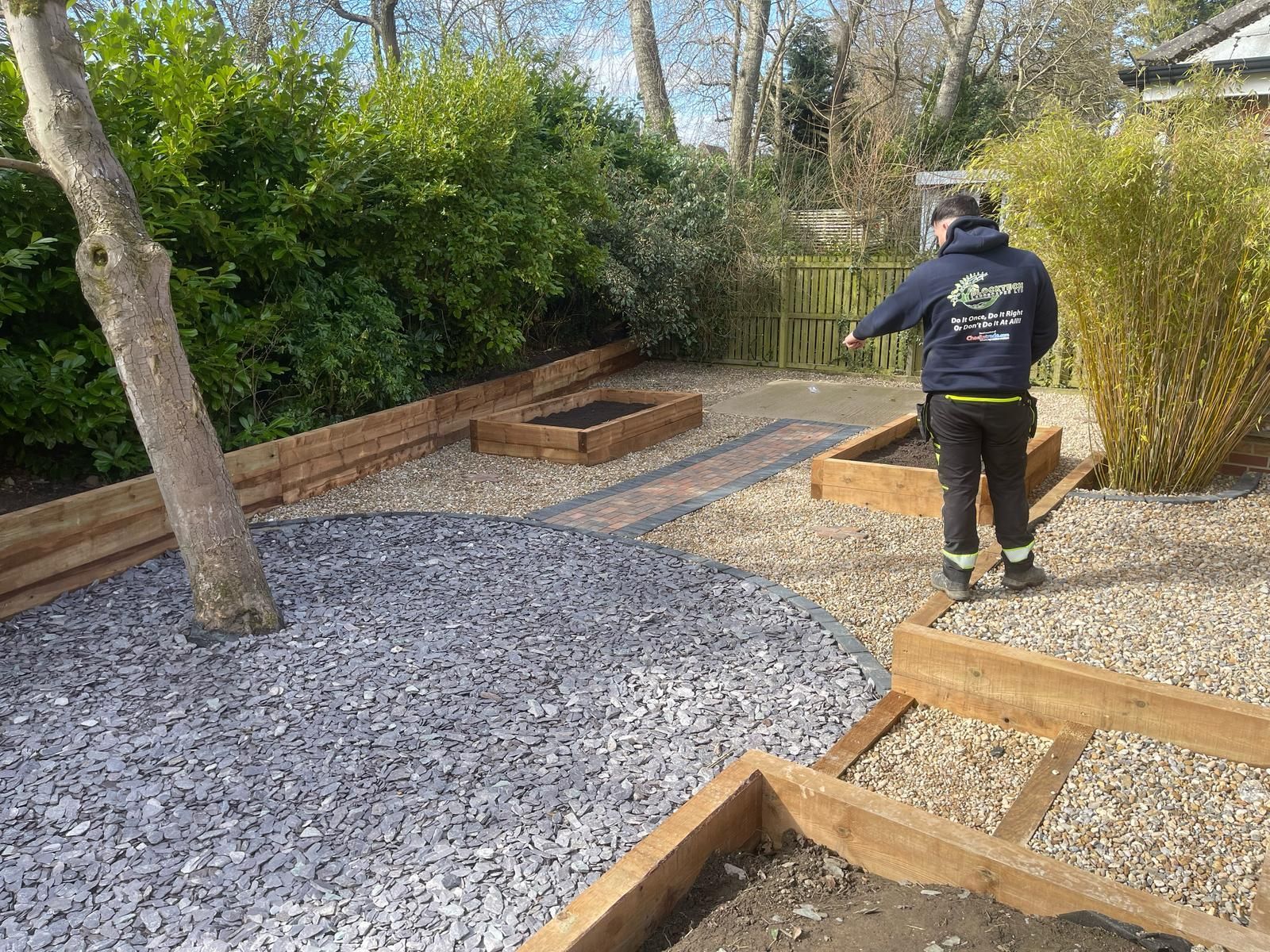
Permeable paving. Where patios or driveways are contributing to runoff, replacing impermeable surfaces with permeable alternatives (block paving with open joints, permeable resin, or gravel) allows water to soak through the surface rather than running off. Blocktech Landscapes installs permeable paving systems across Newcastle as an alternative to drainage infrastructure for properties where runoff is the primary problem.
Land drainage matting or aggregate layers. For lawns, installing aggregate layers beneath a new lawn layer, or adding drainage matting, improves drainage without requiring excavation to drain depth. More effective for moderate problems than severe ones.
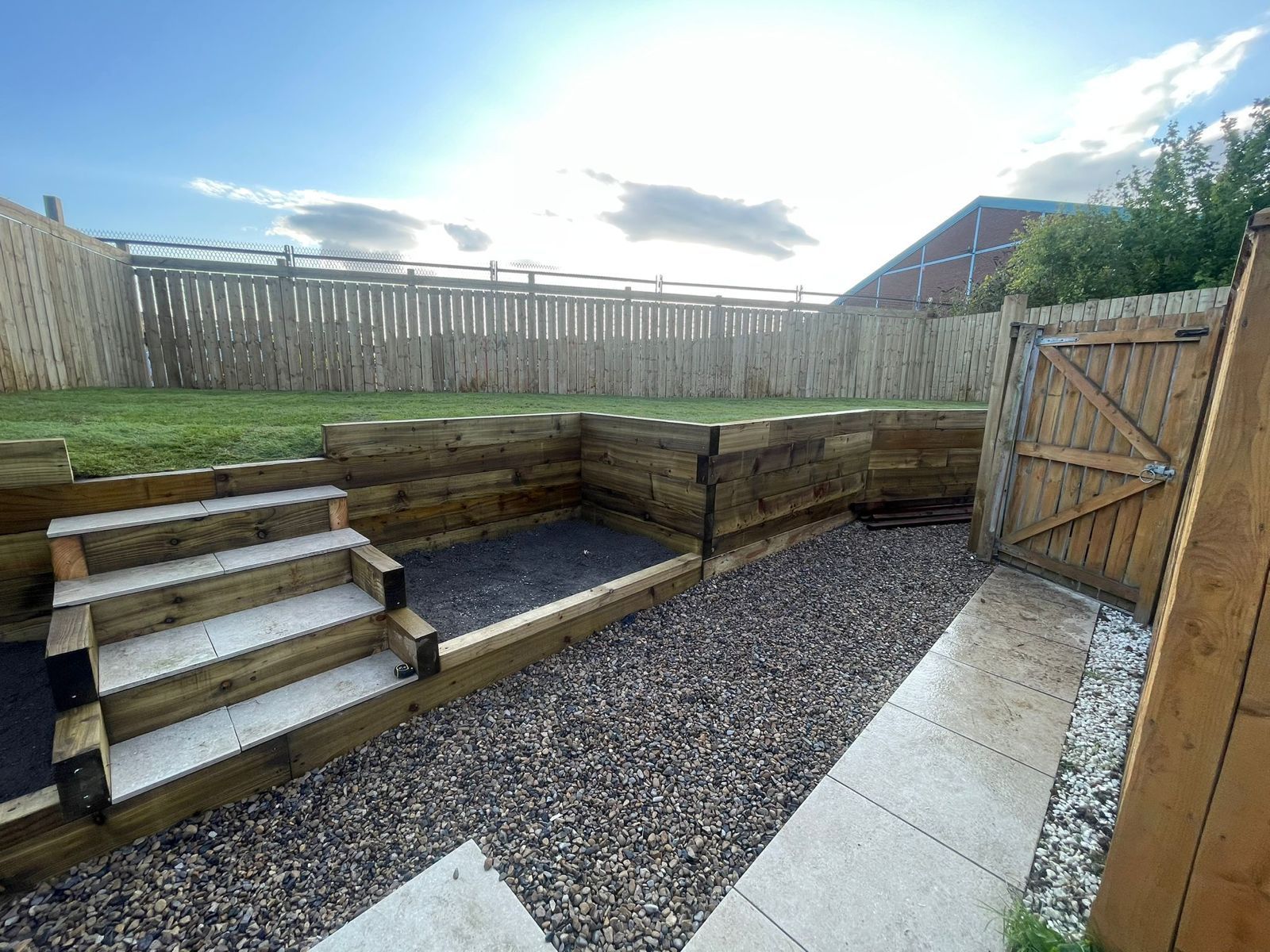
Garden re-grading. Sometimes water sits because the ground slopes toward the house rather than away from it. Re-grading the surface so water naturally moves toward a drainage point is the most permanent solution where the topography is wrong.
What Garden Drainage Costs in Newcastle
French drain installation (typical garden section): £800-£2,000 depending on length and outlet options.
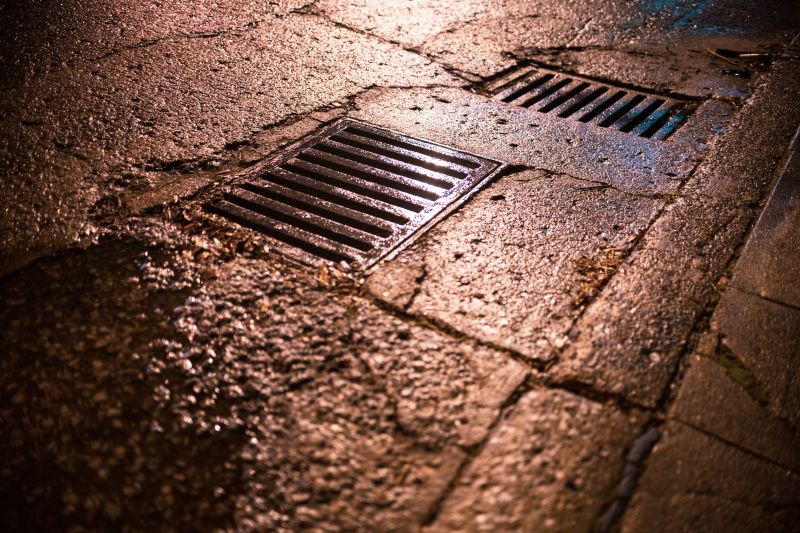
Soakaway installation: £500-£1,200 depending on size and depth.
Lawn drainage improvement (aeration and aggregate): £300-£800 for a typical garden section.
Full garden drainage scheme (survey, French drain, soakaway): £1,500-£4,000 for a typical Newcastle residential garden.
FAQ
Q: Why does my Newcastle lawn get waterlogged even after light rain?
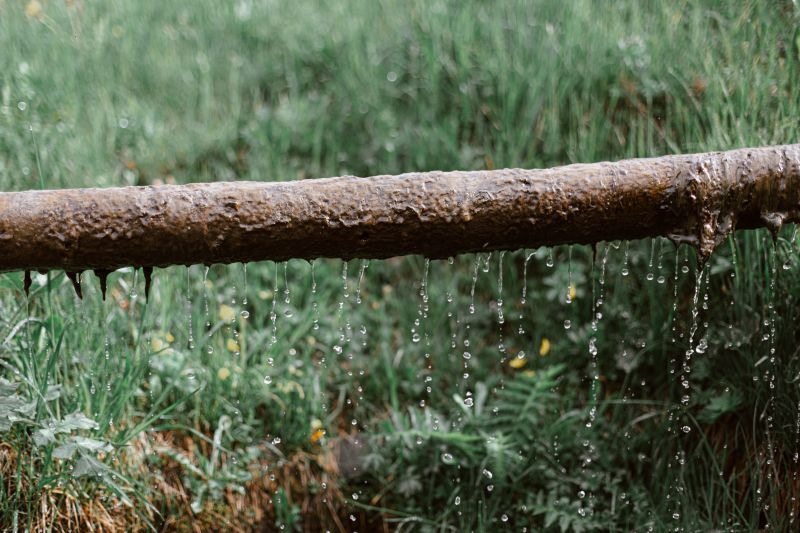
Compacted clay soil is the most common cause. Water can't penetrate compacted ground quickly enough and sits on the surface. Spiking the lawn and applying sharp sand helps in mild cases. Significant compaction usually needs more substantial drainage work.
Q: Will a soakaway fix my Newcastle garden drainage problem?
If the soil below the soakaway depth has reasonable drainage capacity, yes. If the ground is heavy clay at depth, or if your water table is high, a soakaway fills up and provides limited benefit. A site assessment helps identify which applies.
Q: Do I need planning permission for garden drainage work in Newcastle?
Not typically for drainage within your own garden. If you're connecting to a public sewer or watercourse, you may need consent from Northumbrian Water or the Environment Agency. Building Regulations apply to soakaways for extension roof drainage.
Q: Can I fix garden drainage myself?
Spiking, aeration, and adding grit to a lawn are straightforward DIY jobs that help in mild cases. Installing French drains or soakaways to the required depth and fall is harder to get right without experience - an incorrectly graded French drain that doesn't fall consistently will hold water rather than drain it.
Q: How do I know if my Newcastle garden has a high water table issue?
Dig a hole about 60cm deep after sustained rain and see whether water seeps in from the sides. If it does within a day or two, you have a high water table situation. Surface drainage solutions help but don't fully solve the problem.
Ready to work with Blocktech Landscapes Ltd?
Let's connect! We’re here to help.
Send us a message and we’ll be in touch.
Or give us a call today at 07351542487
Agency Contact Form
More Marketing Tips, Tricks & Tools
Blocktech Landscapes Ltd