Raised Beds and Sleeper Planters in Newcastle: Costs and Design Ideas
Raised beds and sleeper planters are one of the smartest moves for a Newcastle garden, and not just for looks. On Tyneside's heavy boulder clay, building up beats digging down, because a bed you fill yourself drains far better than the sticky ground underneath. A basic timber raised bed runs roughly £150 - £400 built and filled, while a run of chunky oak or new railway sleepers can land anywhere from £400 to £1,500 depending on length and height. Filling matters too: a 2m x 1m bed at 30cm deep needs around 600 litres of soil and compost, which is 20-plus bags or a bulk delivery. Add a growing season that starts two to three weeks later here than in the south, and the case for warm, free-draining, well-built beds gets stronger. This guide covers real 2026 costs, the right materials for the North East, and design ideas that work in a small terrace yard.
What Raised Beds and Sleeper Planters Cost in Newcastle
Prices depend on the material, the height, and whether you want them built for you or supplied flat-pack. A simple treated softwood raised bed, around 2m x 1m and 30cm high, costs roughly £150 - £300 supplied and installed. Step up to a taller bed at 45cm or more, and you are looking at £300 - £500 once you count the extra timber and the volume of soil to fill it.
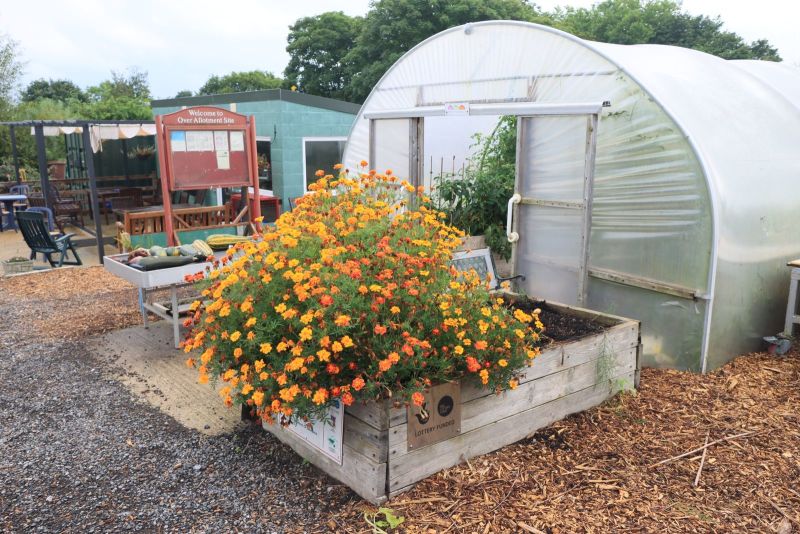
Sleeper planters sit higher up the scale because the timber itself is heavy and expensive. New softwood sleepers cost around £25 - £40 each, oak sleepers £45 - £70, and reclaimed sleepers £20 - £35 if you can find sound ones. A single-sleeper-height raised planter built along a 4m wall might cost £500 - £900 installed, while a double-height sleeper bed with proper corner fixings and a capping rail runs £900 - £1,800. Blocktech Landscapes Ltd builds beds and planters across Newcastle and the wider North East, and if you want to talk through sizes and layout you can get in touch through the Blocktech Landscapes website for a quote after we have seen the space.
One figure people forget is the fill. Topsoil and compost for a big sleeper bed can add £100 - £300 on its own, so always ask whether a quote is supply-only, built, or built and filled.
Why Newcastle's Clay Soil Makes the Case for Building Up
Much of Tyneside sits on glacial boulder clay, and clay is exactly the soil that raised beds solve. It holds water, bakes hard in dry spells, and stays cold and soggy well into spring. Plant roots sitting in that for months rot rather than grow. A raised bed filled with a free-draining loam and compost mix sidesteps the problem entirely, because you control what goes in. The Royal Horticultural Society's guidance on gardening with clay soil is a solid read on why the ground here behaves the way it does.
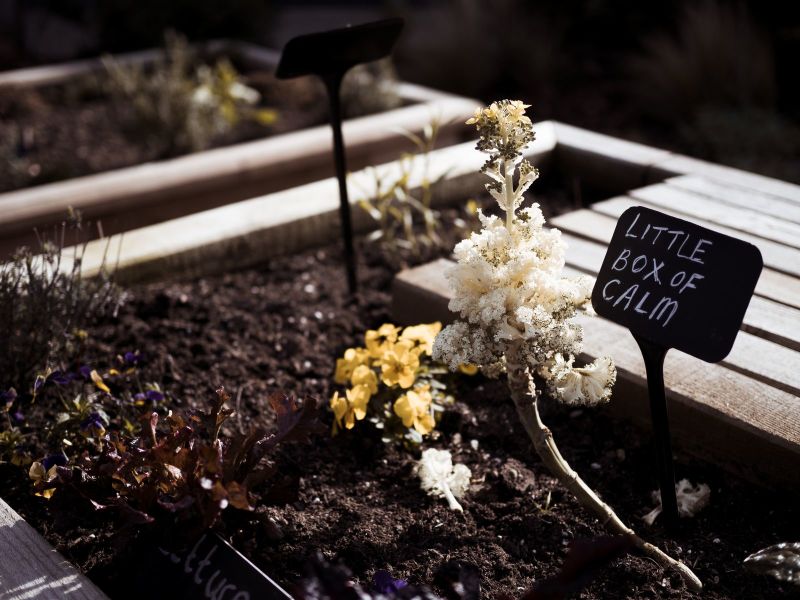
Height matters more than people think. A bed of 30cm or more lifts the root zone clear of the waterlogged clay and lets it warm up faster in spring, which is worth having when the North East growing season starts later than most of England. Raised soil can be several degrees warmer than ground soil on a cold April morning, and that head start can mean earlier crops and stronger flowering.
Getting Drainage Right on Clay
Do not seal the bottom of a raised bed on clay. You want water to move through the fill and slowly away, so leave the base open to the ground or lay a shallow layer of coarse gravel or broken hardcore first. For sleeper beds built against a house wall, keep the timber a fraction proud of the damp-proof course and never let wet soil sit against the brickwork. A short gravel gap of even 5 - 10cm behind the bed saves a lot of trouble later.
Choosing the Right Materials for the North East Climate
Newcastle gets around 650 - 700mm of rain a year and a long, damp winter, so timber choice matters. Treated softwood is the budget option at its price point, but expect it to last around 10 - 15 years before it starts to soften. Oak sleepers and hardwood cost more up front but shrug off the wet and can last 20 years or more, which often works out cheaper over the life of the garden.
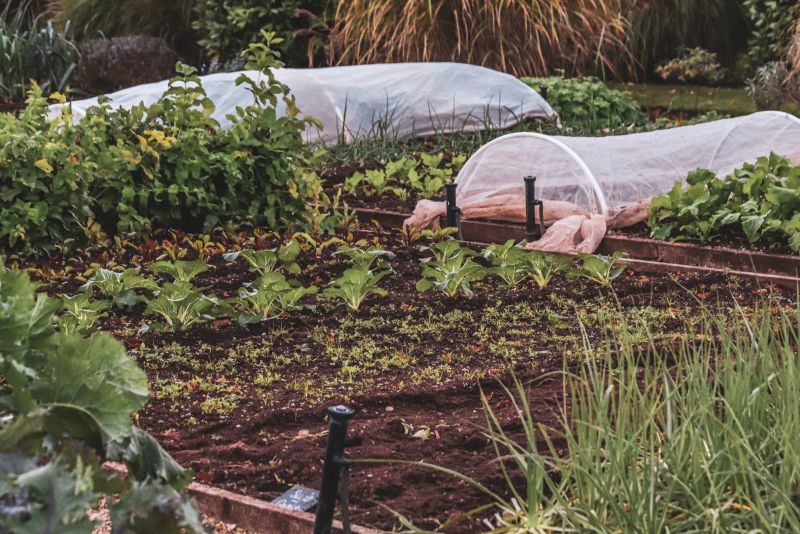
New railway-style sleepers are clean and consistent, while genuine reclaimed sleepers carry more character but sometimes come coated in old tar-based preservative, which is not ideal for growing food. If you plan to grow vegetables, either line the inside face with a breathable membrane or stick to untreated or food-safe timber. Composite and recycled-plastic bed kits are another option at £200 - £450, and they never rot, though some gardeners find them less handsome than real wood.
Fixings and Foundations That Survive Tyneside Winters
Freeze-thaw and constant damp are hard on cheap fixings. Use galvanised or stainless screws and timber-lok bolts rather than ordinary steel, which rusts and stains the wood within a season. Sleeper beds above one course high need proper corner joints or steel angle brackets, and a compacted, level base so the whole run does not shift when the ground swells and shrinks through winter.
Design Ideas for Small Tyneside Yards
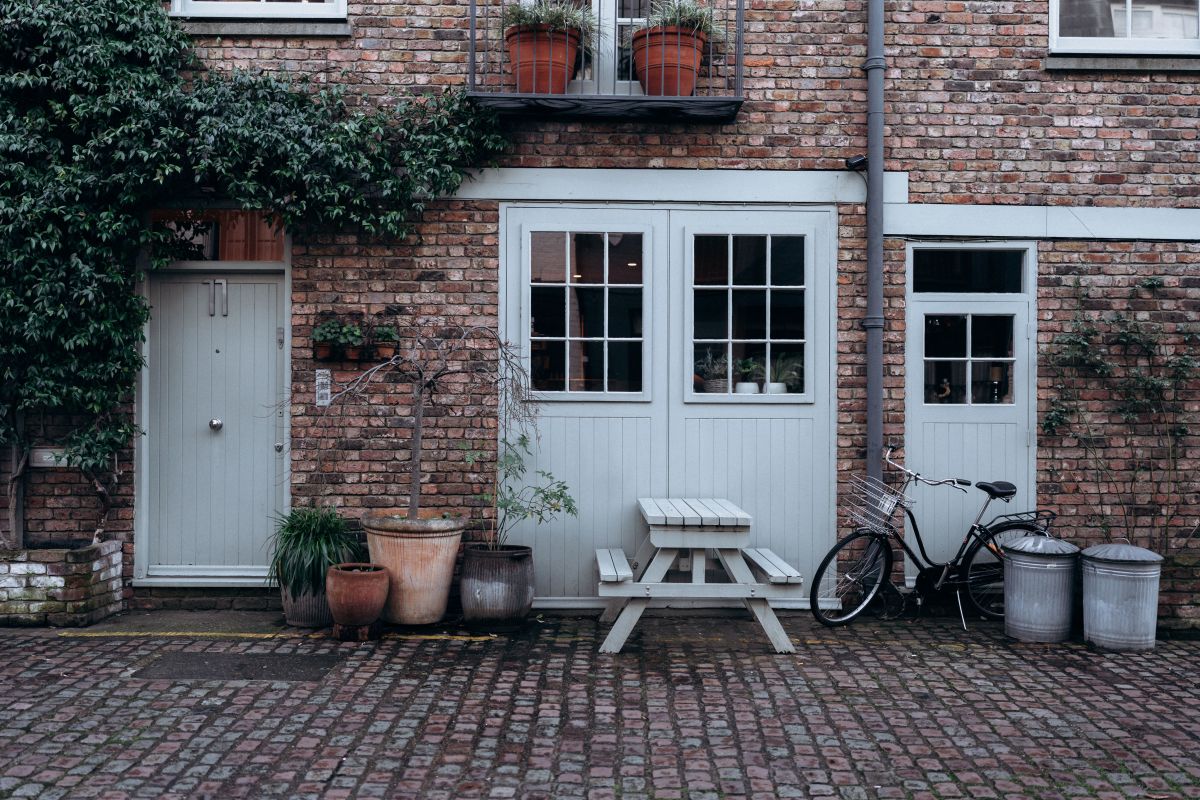
Plenty of Newcastle homes are Victorian terraces and Tyneside flats with enclosed yards of 10 - 20m². Raised beds are perfect here because they turn an awkward, shady square of concrete into something productive without digging anything up. A single L-shaped sleeper bed run along two walls frees up the middle for a bistro set, while a pair of matching planters either side of a back door frames the space and softens hard brick.

Height gives you privacy too. A 60 - 80cm planter topped with grasses or a small multi-stem tree screens an overlooked yard far more cheaply than a fence extension, and it does not need planning permission the way a tall fence sometimes does. In a narrow yard, keep beds no deeper than 60cm front to back so you can reach the middle without standing in them.
Tiered Beds for Sloping Newcastle Gardens
Newcastle has plenty of gardens that fall away from or toward the house, and stepped sleeper beds turn that slope into a feature rather than a problem. Two or three tiers, each 30 - 45cm high, hold the soil, create level planting zones, and double as informal seating edges. We go into this in more detail in our guide to landscaping a sloped garden in Newcastle, which is worth a read if your plot is anything but flat.
What to Grow and How to Fill Your Beds
The fill is the engine of a good bed. A reliable mix is roughly 50% quality topsoil, 30% garden compost or well-rotted manure, and 20% grit or sharp sand to keep it open on our damp clay. For a 2m x 1m bed at 40cm deep that is around 800 litres, so buying in bulk by the tonne bag usually beats bagged compost on both cost and effort.

Given the cooler, later Newcastle season, lean toward hardy and reliable crops. Salad leaves, kale, chard, leeks, and soft fruit like raspberries and blackcurrants all do well in raised beds here, and the extra warmth helps courgettes and beans that can struggle in cold open ground. Top the beds up with 2 - 3cm of compost each spring, because raised soil settles and loses volume by around 10 - 20% in the first year or two.
Getting a Fair Quote and Making Beds Last
Compare quotes on the timber grade, the height, the fixings, and whether soil is included, not just the headline total. A cheap softwood bed thrown together with steel screws is a false economy on Tyneside, because it will twist and stain within a couple of wet winters. Ask how the corners are joined, what treatment the timber has, and whether the base is levelled and drainage allowed for.
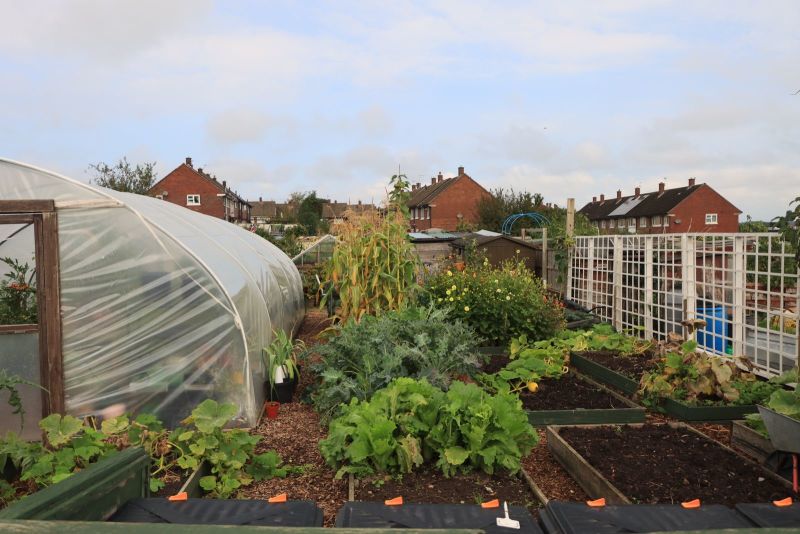
It is also worth thinking about upkeep before you buy. Oak needs almost nothing, while softwood benefits from a coat of plant-safe preservative every few years. If you are weighing up a tradesperson, the consumer group Which? has sensible advice on how to hire a tradesperson that applies just as much to landscaping as to any other job. Build them right and well-made sleeper beds should serve a Newcastle garden for 15 - 20 years.
---
FAQ
Q: How much do raised beds and sleeper planters cost in Newcastle?
A: A simple treated softwood raised bed runs roughly £150 - £300 supplied and installed, and a taller 45cm bed £300 - £500. Sleeper planters cost more because the timber is heavy: a single-height sleeper bed along a 4m wall is around £500 - £900, and a double-height bed £900 - £1,800. Soil and compost to fill a large bed can add £100 - £300, so always check whether a quote is built-only or built and filled.
Q: Why are raised beds a good idea on Newcastle's clay soil?
A: Tyneside's boulder clay holds water, bakes hard, and stays cold and wet into spring, which rots roots. A raised bed filled with free-draining loam and compost lets you control the soil entirely, and lifting the root zone 30cm or more helps it warm faster in our late-starting growing season, giving earlier crops and stronger plants.
Q: What is the best timber for sleeper beds in the North East?
A: Treated softwood is the cheapest and lasts around 10 - 15 years in Newcastle's damp climate. Oak and hardwood sleepers cost more up front but can last 20 years or more, so they often work out cheaper over time. Use galvanised or stainless fixings, and line or avoid old tar-coated reclaimed sleepers if you plan to grow food.
Q: How much soil do I need to fill a raised bed?
A: A 2m x 1m bed at 30cm deep needs around 600 litres, and at 40cm deep around 800 litres. A good mix is roughly 50% topsoil, 30% compost or well-rotted manure, and 20% grit to keep it draining on clay. Bulk tonne bags usually beat bagged compost on cost, and beds settle by 10 - 20% in the first year so top them up each spring.
---
Ready to work with Blocktech Landscapes Ltd?
Let's connect! We’re here to help.
Send us a message and we’ll be in touch.
Or give us a call today at 07351542487
Agency Contact Form
More Marketing Tips, Tricks & Tools
Blocktech Landscapes Ltd