Garden Fencing Costs in Newcastle: A 2026 Price Guide
Garden fencing looks like the simplest job in landscaping until the first winter gale rolls in off the North Sea and you're standing a fallen panel back up. In Newcastle, that matters more than most places - the city sits in one of the windier corners of England, with exposed gardens regularly seeing gusts over 50mph between October and March. Supplied and fitted, standard fencing here runs £90 - £180 per panel or roughly £35 - £70 per linear metre, so a typical 15-metre boundary lands somewhere between £550 and £1,100. But the posts and the fixings - not the panels - are what decide whether that fence lasts five years or twenty. Add Tyneside's heavy clay, longer wet winters, and the tight access behind Victorian terraces, and the real cost picture looks different from a national average. This guide covers 2026 prices, what pushes them up, and what a fence actually needs to survive a Newcastle winter.
What Garden Fencing Costs in Newcastle in 2026
The headline figures first. Supplied and fitted, standard timber fencing in Newcastle runs £90 - £180 per panel, or £35 - £70 per linear metre, depending on the style and post type. A closeboard or feather-edge fence sits at the higher end, overlap panels at the lower. A 15-metre run of 1.8m overlap fencing typically comes in around £550 - £900, while the same run in sturdier feather-edge with concrete posts is more like £900 - £1,400.
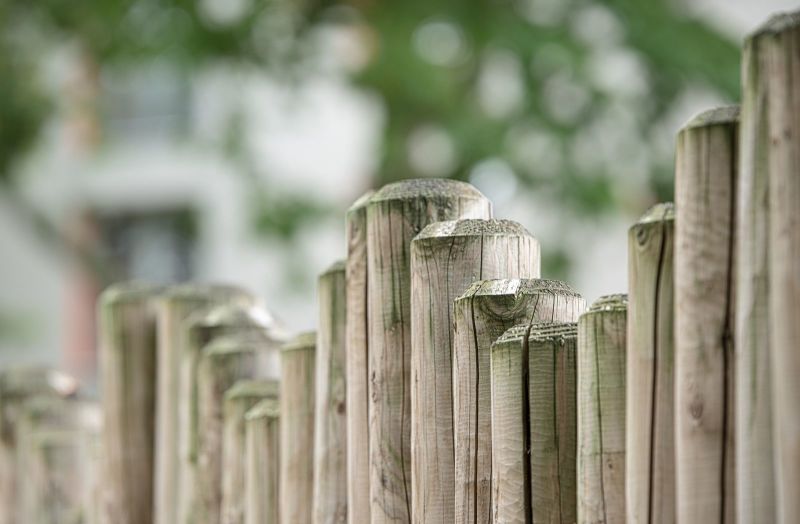
The reason for the spread is what holds the fence up. Timber posts set in concrete are cheapest but rot at the ground line within 8 - 15 years. Concrete posts with gravel boards cost £15 - £30 more per bay but can outlast three sets of panels. Blocktech Landscapes Ltd fits fencing across Newcastle and the wider North East and always quotes after seeing the boundary, because ground conditions and access change the labour as much as the materials do.
One honest word on cheap quotes: a fence at £25 per metre all-in usually means timber posts, shallow footings, and thin overlap panels. On an exposed Tyneside boundary that combination is a false economy - you'll be paying again within a decade.
Where the Money Actually Goes
Most people price a fence by the panel. The panel is often the cheapest part. A basic overlap panel is £20 - £35, a feather-edge or closeboard panel £45 - £75, and a decorative slatted or tongue-and-groove panel £70 - £120. But the posts, footings, and labour usually add up to more than the panels themselves.

Posts are where quality lives or dies. A treated timber post is £12 - £20; a concrete post is £25 - £40 but doesn't rot. Each post needs a 600mm footing set in a bag or two of postmix at £5 - £8 a bag, and on Newcastle clay those holes are slow, heavy digging. Gravel boards - a concrete or timber plank along the base that keeps panels off wet ground - add £8 - £20 per bay but stop the panels wicking up moisture and rotting from the bottom. Labour typically runs £150 - £250 per day, and a 15-metre fence is usually a one to two day job.
The Post Decision That Sets the Price
If you take one thing from a fencing quote, look at the posts. Concrete posts with a gravel board cost a little more upfront but mean that when a panel eventually fails you slot a new one in from the top in ten minutes - no digging, no re-concreting. On an exposed Newcastle boundary this is the upgrade that pays for itself.
Wind: The North East Factor Nobody Prices In
Newcastle is genuinely windy, and wind is the number one killer of fences here. Coastal and elevated parts of Tyneside regularly record winter gusts of 50 - 60mph, and a solid 1.8m fence panel acts like a sail - the force on it rises sharply with height and with how little air can pass through. This is why the cheapest, tallest, most solid fence is often the first to blow down.

There are real fixes, and they cost less than replacing panels every few winters. Hit-and-miss or slatted panels let 20 - 40% of the wind through and stay standing when solid panels fold. Setting posts 300mm deeper, using concrete posts, and adding a strong-wind postmix mix are all modest add-ons - maybe £10 - £20 per bay - that transform how a fence holds up. It's also worth being realistic about height: an exposed 1.8m boundary takes far more punishment than a sheltered one, and sometimes 1.5m with a trellis top is the smarter choice.
Height Rules and Planning in Newcastle
Before you go tall, check the rules. In most cases you can put up a fence to 2m at a rear boundary without planning permission, but the limit drops to 1m next to a road or footpath. The government's own planning guidance on fences, gates and garden walls sets this out plainly, and it's worth two minutes before you commit. Newcastle City Council can also require permission in conservation areas - parts of Jesmond and the city centre included - so a quick check with the council saves an expensive mistake.
How Newcastle's Clay and Wet Winters Affect a Fence
Much of Tyneside sits on heavy boulder clay, and clay is hard on both the digging and the fence itself. Clay holds water, so timber posts set in it sit in damp ground for months over the region's long wet winter - Newcastle sees around 650mm of rain a year and frosts running from October to late April. That constant moisture at the ground line is exactly where timber posts rot first.

This is the practical case for concrete posts and gravel boards on Tyneside. Keeping the timber up off the wet clay, and using the post material that doesn't care about moisture, is what turns a 10-year fence into a 20-year one. The digging is the other clay cost: postmix takes longer to set in cold wet ground, and heavy clay spoil often needs carting away rather than backfilling, which adds a little to labour on a bigger run.
Small Yards, Terraces, and Access
Plenty of Newcastle homes - Victorian terraces in Heaton, Byker, and Fenham, and Tyneside flats across the city - have small yards where the fencing job is short but fiddly. A 6 - 8 metre yard boundary might only be three or four panels, but with no rear lane every post, panel, and bag of postmix comes through the house, and the spoil goes back out the same way.

That access issue is a real line on the cost. Fixed costs - a minimum labour day, waste disposal, delivery - spread across a short run, so a small terrace fence often works out at £70 - £90 per metre rather than the £35 - £50 a longer open boundary sees. A skip permit on a Newcastle street runs £30 - £70 if there's no drive to stack materials on. None of this is a reason to put it off - just don't expect the headline per-metre rate on a tight terrace job.
Getting a Fair Quote and Making It Last
Compare fencing quotes on the posts and footings, not just the total. A trustworthy Newcastle fitter will tell you the post material and depth, whether gravel boards are included, the panel type and thickness, and how they're allowing for wind. If one quote is noticeably cheaper on the same boundary, the saving is almost always hidden in timber posts, shallower footings, or thinner panels.

Maintenance decides the back half of a fence's life. Even treated timber benefits from a re-coat every 2 - 3 years at £30 - £60 in materials, and the Royal Horticultural Society's advice on choosing and looking after garden fencing and screens is a sensible read on styles and upkeep. If you're weighing fencing against other boundary options, we've looked at the wider choices in our guide to garden fencing options for Newcastle homes. Get the posts and the wind-proofing right, and a well-built Newcastle fence should stand 15 - 20 years with only occasional care.
---
FAQ
Q: How much does garden fencing cost in Newcastle in 2026?
A: Supplied and fitted, expect £90 - £180 per panel or £35 - £70 per linear metre. A 15-metre run of overlap fencing runs £550 - £900, while sturdier feather-edge with concrete posts is £900 - £1,400. Poor access on a terrace can push a short run to £70 - £90 per metre.
Q: Are concrete or timber fence posts better in Newcastle?
A: Concrete posts cost £15 - £30 more per bay but don't rot in Tyneside's wet clay and let you replace a failed panel from the top with no digging. On an exposed, damp North East boundary they usually outlast timber posts two to one and are the better long-term value.
Q: How do I stop my fence blowing down in Newcastle's wind?
A: Use hit-and-miss or slatted panels that let 20 - 40% of the wind through, set posts 300mm deeper in concrete, and consider a slightly lower 1.5m fence with a trellis top on exposed boundaries. These add roughly £10 - £20 per bay and greatly cut the risk of gale damage.
Q: How tall can I build a garden fence in Newcastle without planning permission?
A: In most cases up to 2m at a rear boundary, but only 1m next to a road or footpath. Conservation areas such as parts of Jesmond may need permission regardless, so check the government's fencing guidance and with Newcastle City Council before building tall.
Q: How long does a garden fence last in the North East?
A: A well-built fence with concrete posts and gravel boards should last 15 - 20 years in Newcastle. Timber posts in wet clay typically fail at the ground line within 8 - 15 years. A re-coat every 2 - 3 years and good wind-proofing make the biggest difference to lifespan.
---
Ready to work with Blocktech Landscapes Ltd?
Let's connect! We’re here to help.
Send us a message and we’ll be in touch.
Or give us a call today at 07351542487
Agency Contact Form
More Marketing Tips, Tricks & Tools
Blocktech Landscapes Ltd