Artificial Grass vs Real Lawn in Newcastle: Which Suits a North East Garden?
Choosing between artificial grass and a real lawn is one of the most common decisions a Newcastle homeowner faces, and the North East climate tilts the answer in ways that surprise people. Artificial grass costs £40 - £100 per square metre installed, while a real turfed lawn runs a far cheaper £8 - £14 per square metre - but that headline gap closes fast once you count 15 - 20 years of mowing, feeding, and watering. Newcastle takes around 650mm of rain a year, holds soil below the 8°C grass-germination threshold well into April, and sits on heavy Tyneside clay that drains slowly and stays wet through winter. Those three facts shape everything: they make real grass harder to grow well here than in the South, but they also make artificial grass drainage a genuine issue rather than an afterthought. This guide gives an honest, local comparison so you can pick the surface that actually suits your garden, not just your first impression.
The Real Cost Comparison Over 20 Years
The upfront numbers make artificial grass look expensive. Installed artificial grass in Newcastle runs £40 - £100 per square metre depending on pile quality and groundwork, so a 40m² back garden costs £1,600 - £4,000. A real turfed lawn of the same size costs just £320 - £560 supplied and laid. On day one, real grass wins hands down.
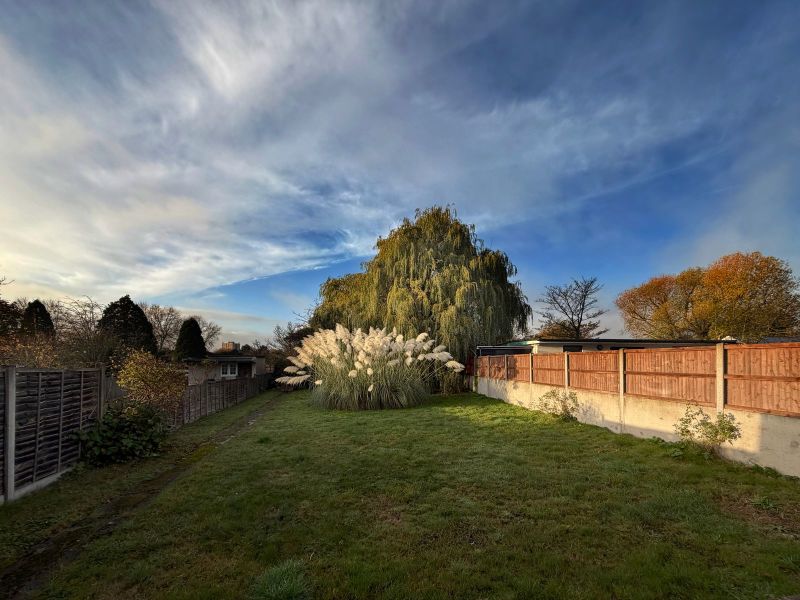
The picture shifts over time. A real lawn needs mowing 20 - 30 times a year, an annual feed and scarify, occasional reseeding, and watering in dry spells - call it £150 - £300 a year in products, petrol, and time, or more if you pay someone. Artificial grass needs an occasional brush and a rinse, near enough £20 - £40 a year. Over a typical 15 - 20 year lifespan, artificial grass often works out level or cheaper once that maintenance is counted. If you would rather talk through which makes sense for your plot, Blocktech Landscapes Ltd installs both across Newcastle and can price your specific garden.
The honest verdict on cost: if you will maintain a lawn yourself and enjoy doing it, real grass stays cheaper. If you would pay a gardener or let it slide, artificial grass earns its price back.
How Newcastle's Climate Affects Each Choice
The North East climate is the real decider, and it works against real grass more than most homeowners expect. Grass seed needs soil consistently above 8 - 10°C to germinate, and in Newcastle that window reliably runs only from late April to early October - a good month shorter than the South East. The growing season is shorter, so a real lawn takes longer to establish and recover from wear.
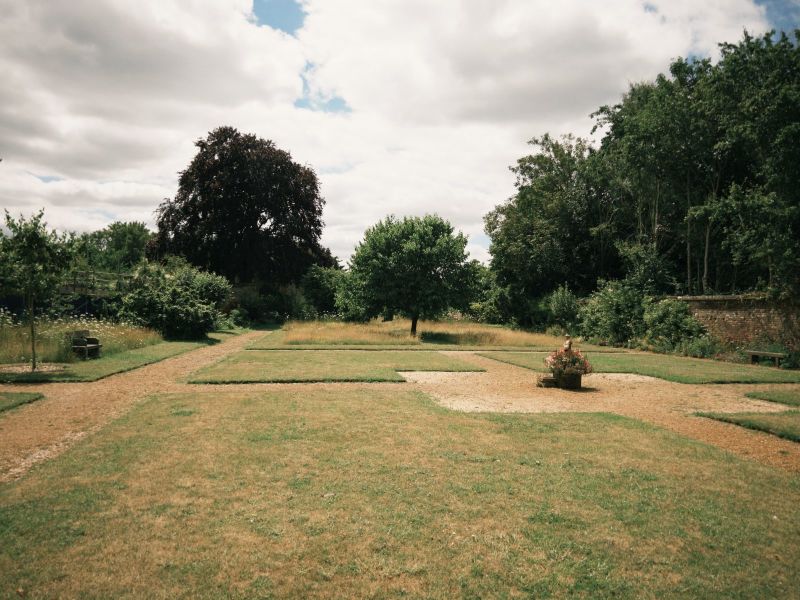
Rain is the other half of the story. Newcastle's 650mm of annual rainfall keeps a real lawn green with little watering, which is a genuine plus. But it also means the ground is wet for much of the year, and a real lawn on wet clay churns to mud under kids and dogs through winter. Artificial grass stays usable year-round in the same conditions - no mud, no bare patches, no waiting for spring.
Winter Is Where They Differ Most
From November to March, a real Newcastle lawn is often too soft and wet to use without wrecking it, and mowing stops entirely. Artificial grass drains through its backing and is walkable the day after heavy rain. For families who want a usable garden through a long North East winter, that difference is the whole argument. The trade-off is that a real lawn cools the air and supports insects and birds in a way plastic never will.
Drainage: The Detail That Decides Success
On Tyneside clay, drainage makes or breaks either surface. Much of Newcastle sits on glacial boulder clay that holds water, and the RHS guide to working with clay soils explains why water sits in the root zone rather than draining away. For a real lawn, that means proper preparation - breaking up compaction to 100 - 150mm and adding 50 - 100mm of screened topsoil - or the lawn drowns by its second winter.
Artificial grass is not exempt. It must be laid on a free-draining sub-base of 50 - 75mm compacted MOT Type 1 and sharp sand, or rainwater pools beneath the backing and the surface smells and grows algae. On heavy clay, that sometimes means adding a soakaway or land drain first, at £600 - £2,000. Anyone quoting artificial grass on Newcastle clay without a proper permeable sub-base is setting you up for a boggy, smelly surface within two years.
Permeable Surfaces and the Rules
If you are replacing a large area of lawn with a hard or artificial surface, drainage is also a planning consideration. The government's guidance on permeable surfaces and drainage explains when you must manage run-off rather than pushing it onto the road or a neighbour. It matters most for front gardens, but the principle - keep the water on your own plot - applies to any large artificial grass install on slow-draining Newcastle ground.
Maintenance and Time: An Honest Look
A real lawn is a standing commitment. Through the North East growing season you will mow every 7 - 14 days, edge the borders, feed two or three times a year, scarify out the moss that Newcastle's damp climate encourages, and overseed any thin patches. Moss is a particular North East headache - the region's cool, wet air suits it, and a shaded Tyneside lawn can be half moss by February without regular treatment.
Artificial grass asks for perhaps an hour a month: a brush to lift the pile, a rinse to clear dust, and clearing leaves in autumn so they do not rot into the infill. There is no mowing, no feeding, no moss. For older homeowners, busy families, or anyone without storage for a mower, that is a real quality-of-life gain. The Which? guide to artificial grass is a useful neutral read on what good-quality fake grass should deliver and what to avoid.
The catch is longevity: artificial grass fades and flattens after 15 - 20 years and then needs replacing wholesale, whereas a well-kept real lawn can last indefinitely with the same annual care.
Which Suits a Small Tyneside Yard?
Newcastle has thousands of compact yards - Victorian terraces in Heaton, Byker, and Fenham, and Tyneside flats with 15 - 25m² of outdoor space. These small, often shaded spaces are where artificial grass makes the strongest case. Real grass needs at least 4 hours of daily summer sun to hold up, and a north-facing yard walled in by two-storey terraces rarely gets it. Standard turf thins to mud in that shade; artificial grass looks green regardless of light.
For a 20m² shaded yard, artificial grass at £800 - £2,000 installed gives a usable, tidy surface that survives a dog and a winter, where real turf would struggle. In a larger, sunnier suburban garden in Gosforth or Kenton, the maths flips - real grass is cheap, thrives in the light, and suits the space. Access is worth a thought either way: on a terrace where every barrow of sub-base or waste travels through the house, both jobs cost 10 - 20% more in labour, and a skip permit runs £30 - £70 with no drive.
The Environmental Trade-Off
There is no dodging the environmental angle, and it cuts both ways. Artificial grass is plastic, does not support insects or birds, gets hot in the rare Newcastle heatwave, and is difficult to recycle at end of life. A real lawn absorbs rainfall, cools its surroundings, locks up a little carbon, and feeds pollinators - all of which matter more as the North East sees wetter winters and flashier downpours.
Against that, a real lawn heavily fed with fertiliser and cut with a petrol mower has its own footprint, and an artificial lawn that saves 20 years of watering during dry spells is not nothing. Our own steer: if your garden gets the light and you have the time, a real lawn is the greener and more pleasant choice in Newcastle. If the space is small, shaded, and would otherwise be mud or bare paving, artificial grass is a defensible call. A mixed garden - real lawn where it thrives, artificial or planting where it does not - often serves a Tyneside plot best of all.
---
FAQ
Q: Is artificial grass or a real lawn cheaper in Newcastle?
A: A real turfed lawn is far cheaper upfront at £8 - £14 per square metre against £40 - £100 for installed artificial grass. Over 15 - 20 years, though, real grass costs £150 - £300 a year to maintain while artificial grass costs £20 - £40, so the totals often level out or favour artificial grass if you would pay someone to look after a lawn.
Q: Does artificial grass drain properly on Newcastle clay soil?
A: Only if it is laid on a proper free-draining sub-base of 50 - 75mm compacted MOT Type 1 and sharp sand. On heavy Tyneside clay you sometimes need a soakaway or land drain first, at £600 - £2,000. Artificial grass laid straight onto clay pools water and grows algae within a couple of years.
Q: Is real grass hard to grow in the North East climate?
A: It is more demanding than in the South. Grass seed only germinates reliably from late April to early October in Newcastle, the growing season is shorter, and wet clay plus a long winter mean a real lawn churns to mud from November to March. Proper preparation and turf rather than seed make it work.
Q: Which is better for a small shaded Newcastle yard?
A: Artificial grass usually wins in a small, north-facing, terrace yard that gets under four hours of summer sun, because real grass thins to mud in deep shade. In a larger, sunnier suburban garden, a real lawn is cheaper and thrives.
---
Ready to work with Blocktech Landscapes Ltd?
Let's connect! We’re here to help.
Send us a message and we’ll be in touch.
Or give us a call today at 07351542487
Agency Contact Form
More Marketing Tips, Tricks & Tools
Blocktech Landscapes Ltd