Decking Costs in Newcastle: A 2026 Price Guide
Decking gives a Newcastle garden usable outdoor space fast, but the price gap between a quick timber job and a deck built to last a North East winter is bigger than most homeowners expect. Supplied and fitted, decking here runs roughly £100 - £200 per square metre depending on the board, so a typical 20m² deck lands somewhere between £2,000 and £4,000. Composite sits at the top of that range and softwood timber at the bottom, and around a third of the figure is the frame and groundwork rather than the boards you actually see. Add Tyneside's damp climate, winters that run three to four weeks longer than the UK average, real wind exposure on higher ground, and the small enclosed yards behind Victorian terraces, and the sums here look nothing like a national price list. This guide breaks down real 2026 decking costs in Newcastle, what pushes them up, and what a deck that survives the wet and the frost actually needs.
What Decking Costs in Newcastle in 2026
Start with the headline. Supplied and fitted, decking in Newcastle costs £100 - £200 per square metre for a standard domestic job on reasonable ground. Softwood timber sits at the bottom at £100 - £130 per m², hardwood in the middle at £140 - £180 per m², and composite at the top at £160 - £200 per m² once you count the boards and hidden fixings. A small 12m² deck comes in around £1,200 - £2,400, a typical 20m² deck £2,000 - £4,000, and a larger 30m² entertaining deck £3,000 - £6,000.
The spread is wide because the board is only half the story - the frame and the ground set the rest. If the deck is raised, or the garden slopes, add £15 - £30 per m² for extra posts, footings, and balustrade. Poor access - a terrace where every board and bag of postcrete travels through the house - adds another 10 - 20% in labour. Blocktech Landscapes Ltd builds decks across Newcastle and the wider North East and always quotes after seeing the ground, because a price over the phone is a guess.
One thing worth saying plainly: a quote of £70 per m² all-in is not a bargain on Tyneside. It usually means a thin softwood frame at wide spacing with no ventilation gap, and that rots and bounces within a few damp winters.
Composite or Timber: What You Are Really Paying For
This is the choice that drives the budget. Softwood timber is cheapest up front at £100 - £130 per m² laid, but in Newcastle's damp it wants an annual clean and a re-oil or re-stain, and even treated boards typically last 10 - 15 years before they need replacing. Composite costs more up front at £160 - £200 per m², but it does not rot, warp, or need staining, and quality boards carry 20 - 25 year warranties.
Over the life of the deck the gap narrows. Timber's £150 - £250 a year in stain, cleaner, and your own weekends adds up, while composite asks for little more than a wash. In a climate as wet as the North East, that maintenance saving matters more than it would down south. We go into the full comparison in our guide to composite versus timber decking for Newcastle gardens.
The Hidden Cost of a Cheap Frame
The frame is where corners get cut, and it is the part you never see until it fails. Joists spaced too wide give a bouncy deck; a frame with no airflow underneath traps damp and rots from below - the classic Newcastle decking failure. A proper frame uses treated C16 joists at 400mm centres for timber boards and 300mm for composite, sat on a ventilated void. If your quote does not spell out the joist spacing and treatment, ask before you sign anything.
Why Newcastle's Damp, Frost, and Wind Change the Job
Newcastle's climate is hard on decking in three ways, and each one adds cost if the deck is built properly. First, damp: the city gets around 650mm of rain a year, so ventilation and drainage under the deck are not optional. Second, freeze-thaw: frosts run from October to late April, and water trapped in a poorly drained frame or standing on flat boards freezes and works joints loose. Third, wind: gardens on higher ground around Newcastle catch real exposure, so raised decks and balustrades need proper footings rather than boards pinned to the ground.

Much of Tyneside also sits on glacial boulder clay, which barely drains and heaves as it wets and dries. That means deck posts need concrete footings below the frost line rather than a slab dropped on the surface, and the ground under the deck often needs a membrane and gravel so it does not turn into a bog. The Royal Horticultural Society's guidance on managing clay soils explains the ground behaviour well. Expect the footings and drainage detailing to add £8 - £15 per m² over a free-draining sandy site.
Deck Height and When You Need Permission
Decking is usually permitted development, but there is a height rule worth knowing. Your deck generally must not sit more than 300mm above ground level, and together with other extensions it must not cover more than half the garden, or you may need planning permission. The government's permitted development guidance for decking and other garden projects sets it out plainly. A raised deck with balustrade on a sloping Newcastle plot is exactly the case that can tip over the threshold, so check before you build rather than after.
Small Yards, Terraces, and Access
A lot of Newcastle homes - Tyneside flats and Victorian terraces in Heaton, Byker, and Fenham - have yards of 10 - 20m² boxed in by walls. A low deck can transform one of these, but they carry a per-metre penalty. Fixed costs like waste disposal, materials delivery, and a minimum labour day spread across fewer metres, so a 12m² deck often works out at £140 - £200 per m² rather than the £100 - £130 a larger open deck might see.

Access is the other factor. A terrace with no rear lane means every board, joist, and bag of postcrete comes through the house, and a skip permit on a Newcastle street runs £30 - £70 if there is nowhere to stand it off-road. None of this is a reason to avoid decking - just budget for the small-job premium rather than the headline rate.
Getting a Fair Quote and Making It Last
Compare quotes on the frame and the fixings, not just the board and the total. A trustworthy Newcastle deck builder will spell out the joist type and spacing, the footing method, whether there is a ventilation gap and membrane underneath, the fixing system, and the board warranty. If one quote is £500 cheaper on the same deck, the difference is almost always hidden in a thinner frame or wider joist spacing. Consumer guidance such as Which?'s advice on hiring a tradesperson is a level-headed read before you commit.
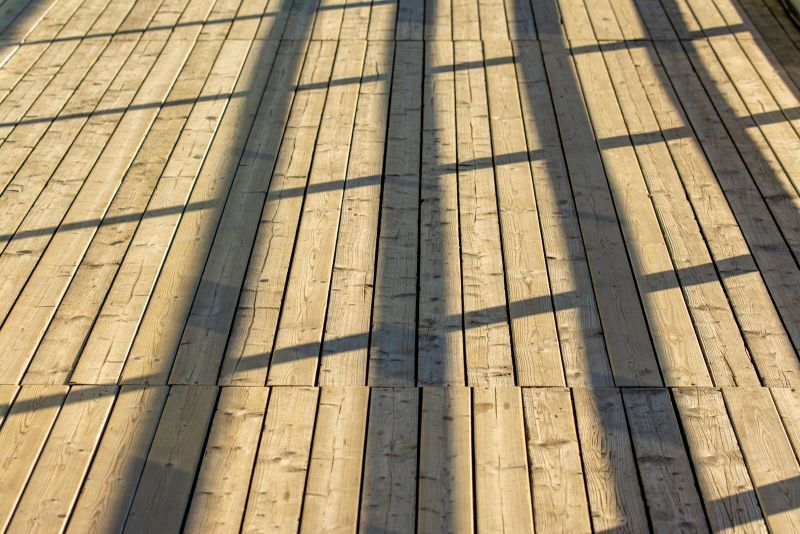
The finish choice is the other lever on how long the deck lasts here. Composite with hidden fixings and a grooved anti-slip surface shrugs off Newcastle's damp and frost with almost no upkeep, while softwood needs an annual clean and re-oil to stop it greening and splitting. Anti-slip is worth paying for either way in a climate this wet - a north-facing timber deck gets slick with algae by its first winter. Get the frame, footings, and ventilation right and a well-built deck here should give you 20 years or more.
---
FAQ
Q: How much does decking cost in Newcastle in 2026?
A: Supplied and fitted, expect £100 - £200 per square metre depending on the board. Softwood timber sits at £100 - £130 per m², hardwood £140 - £180 per m², and composite £160 - £200 per m². A 12m² deck runs £1,200 - £2,400, a 20m² deck £2,000 - £4,000, and a 30m² deck £3,000 - £6,000. Raised or sloping builds add £15 - £30 per m².
Q: Is composite decking worth the extra cost over timber in the North East?
A: Often yes here. Composite costs more up front at £160 - £200 per m² versus £100 - £130 for softwood, but it does not rot, warp, or need staining and carries 20 - 25 year warranties. In Newcastle's damp, timber's £150 - £250 a year in stain and cleaning plus a 10 - 15 year lifespan narrows the gap considerably over time.
Q: Why does decking cost more on Newcastle's clay soil?
A: Tyneside's heavy boulder clay barely drains and heaves as it wets and dries, so deck posts need concrete footings below the frost line and the ground beneath usually needs a membrane and gravel to stop it becoming a bog. That detailing typically adds £8 - £15 per m² over a free-draining sandy site, but it is what stops the frame rotting and moving.
Q: Do I need planning permission for decking in Newcastle?
A: Decking is usually permitted development, but it generally must not sit more than 300mm above ground level, and together with other extensions must not cover more than half the garden. A raised deck on a sloping plot can tip over the threshold. Check the government's permitted development guidance on decking before you build.
Q: How long does decking last in Newcastle?
A: Composite decking should last 20 - 25 years here with little more than a wash, while treated softwood typically lasts 10 - 15 years with annual cleaning and re-oiling. Longevity depends far more on the frame, footings, and ventilation than the board - a cheap frame with no airflow rots from below within a few damp winters.
---
Ready to work with Blocktech Landscapes Ltd?
Let's connect! We’re here to help.
Send us a message and we’ll be in touch.
Or give us a call today at 07351542487
Agency Contact Form
More Marketing Tips, Tricks & Tools
Blocktech Landscapes Ltd