Garden Room and Summerhouse Base Costs in Newcastle: What to Know
A garden room is only as good as the base it sits on, and in Newcastle that base matters more than most people expect. A solid foundation for a garden room or summerhouse here typically runs £70 - £120 per square metre, so a modest 3m x 3m room needs a base costing somewhere between £630 and £1,080 before the building itself arrives. That is often 15 - 25% of the whole project, and skimping on it is the single most common regret we see. Newcastle sits on heavy boulder clay across much of Tyneside, takes around 650mm of rain a year, and holds ground frost from October into late April - three to four weeks longer at each end than the UK average. Clay moves as it wets and dries, frost heaves a shallow base, and standing water rots a timber floor from below. This guide covers real 2026 base costs, the options that suit a North East garden, and where the money genuinely needs to go.
What a Garden Room Base Costs in Newcastle
The headline first. A prepared, load-bearing base for a garden room in Newcastle runs £70 - £120 per square metre for a standard job on reasonable ground. A 3m x 3m (9m²) base lands around £630 - £1,080, a 4m x 3m (12m²) room around £840 - £1,440, and a larger 5m x 4m (20m²) garden office £1,400 - £2,400. Those figures assume level-ish ground and normal access.
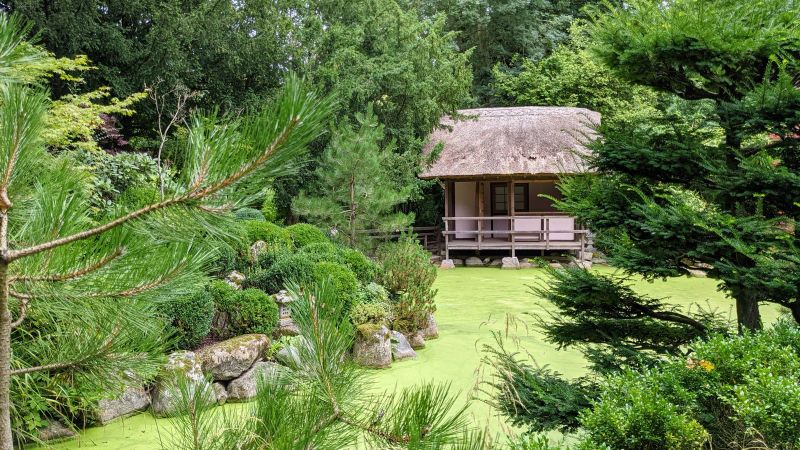
The price splits roughly into groundwork and materials. Excavation, hardcore, and levelling take the larger share, with the actual concrete, paving slabs, or ground-screw hardware making up the rest. If you want a proper survey of your ground before committing, Blocktech Landscapes Ltd builds garden room bases across Newcastle and the wider North East and will always price after seeing the plot, because on Tyneside clay the ground is what sets the cost.
One thing worth saying plainly: a quote of £40 per m² all-in for a base is not a bargain. It usually means shallow excavation, thin hardcore, and no thought given to drainage - and that base will crack, tilt, or heave within a couple of Newcastle winters.
The Main Base Types and What They Cost
There are four bases worth considering here, and the right one depends on ground, budget, and how heavy the building is.
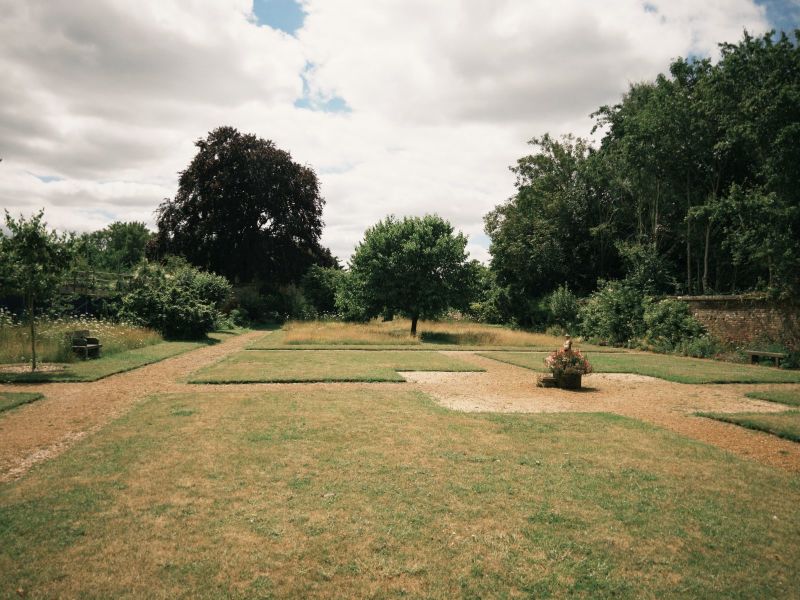
A concrete slab is the traditional choice at £80 - £120 per m². It is rock solid and suits heavy masonry-clad garden rooms, but it needs 100 - 150mm of concrete over a compacted sub-base and takes a week to cure fully. Ground screws are increasingly popular at £70 - £110 per m², installed in a day, and they cope well with sloped or soft ground because the load transfers down to firmer soil below the topsoil. A paving-slab base on a compacted sub-base runs £60 - £90 per m² and works for lighter summerhouses. A timber-and-joist deck frame on concrete pads sits around £70 - £100 per m² and lifts the floor clear of wet ground, which has real advantages in the North East.
Which Base Suits a North East Garden
For most Newcastle gardens, ground screws or a raised timber frame handle clay and drainage better than a solid slab poured straight onto the ground. Clay swells when wet and shrinks in dry spells, and a rigid slab bridging that movement can crack. Ground screws and pad-mounted frames flex with the plot and keep the timber floor ventilated underneath, which matters a lot when you get 650mm of rain a year. If you are set on a slab, insist on a proper 150mm compacted sub-base beneath it.
Why Newcastle's Clay Soil Changes the Job
Much of Tyneside sits on glacial boulder clay, and clay is the biggest single factor in whether a base stays level. Clay holds water, expands as it absorbs it, then shrinks and cracks as it dries. A base that ignores this can lift by 20 - 40mm across a season, which is enough to jam a door or crack a slab. The RHS explainer on working with clay soils gives the plain-English science, but the practical version is simple: build for a ground that moves.
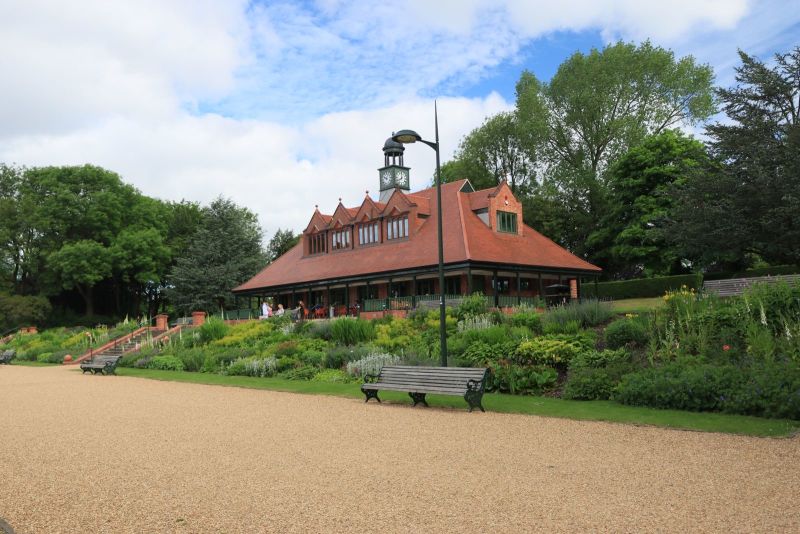
Proper preparation on clay means digging out topsoil to 150 - 300mm, laying and compacting a sub-base of MOT Type 1 hardcore in 100mm layers, and only then placing your slab, screws, or pads. That hardcore alone costs £35 - £50 per tonne delivered, and a 9m² base needs 2 - 3 tonnes. Skipping this layer is exactly where cheap quotes cut corners, and it is where they fail first.
When Drainage Comes First
If water already pools where the garden room will go, that has to be solved before anything is built. A french drain or soakaway runs £600 - £2,000 for a typical garden, and it is money you cannot skip on a boggy North East plot. We have covered the wider picture in our guide to garden drainage solutions in Newcastle, which is worth a read if your plot sits wet through winter.
Do You Need Planning Permission for the Base?
Most garden rooms and summerhouses in Newcastle fall under permitted development, meaning no planning application is needed - but there are real limits, and the base is part of the calculation. The building must be single storey, sit no more than 2.5m high if within 2m of a boundary, and cover no more than 50% of the garden. Get any of that wrong and you risk having to remove it.
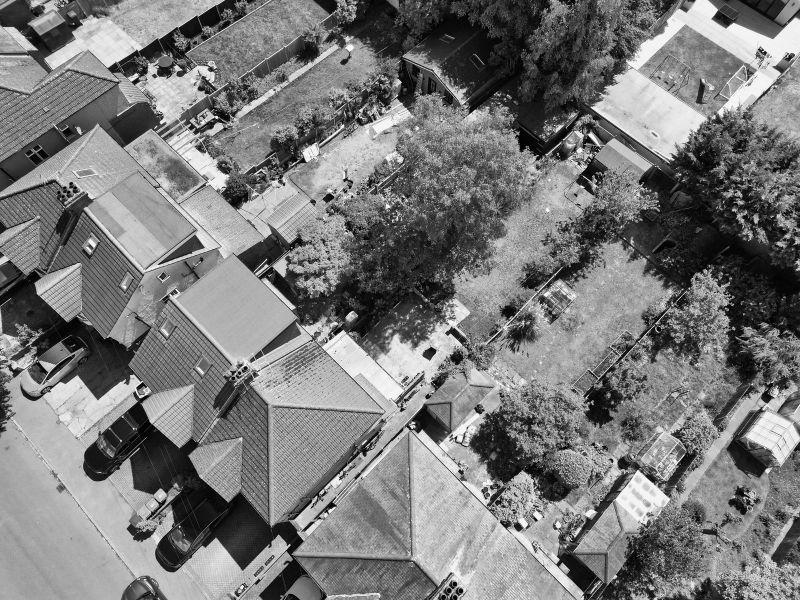
The government's own planning guidance on outbuildings sets out the permitted development rules clearly and is worth reading before you order anything. There are extra restrictions in conservation areas, and parts of Jesmond, Gosforth, and the Newcastle riverside carry conservation status, so check your address with Newcastle City Council if you are unsure. Building regulations usually only bite if the room is over 15m² and used for sleeping or exceeds 30m² in floor area.
Ground Preparation: Where the Real Cost Hides
A proper base build in Newcastle follows a sequence, and each step earns its place. Mark out and check levels. Strip topsoil to the required depth. Excavate and remove spoil - a skip runs £200 - £350 or a grab lorry £250 - £400 for the arisings. Lay a compacted sub-base. Add a damp-proof membrane where a slab is used. Then form the slab, drive the screws, or set the pads dead level.
On a 9m² base that is typically 1 - 2 days of groundwork before the base surface itself goes in. That groundwork, not the concrete, is where quotes diverge. When two prices are £400 apart on the same plot, the difference is almost always in excavation depth and sub-base quality - the parts you never see once the building is up.
Timing Your Build Around North East Weather
Late spring through early autumn is the best window for base work in Newcastle. Concrete needs air temperatures above 5°C to cure properly, and pouring during a frost snap - which in the North East can strike from October to late April - risks a weak, crumbly slab. Ground screws sidestep this entirely because they can go in almost year-round, which is one more reason they suit our climate. If you must build in winter, screws or a pad-mounted timber frame are the safer bet than wet concrete.
Getting Levels Right on a Sloped Newcastle Garden
Plenty of Newcastle gardens run on a slope - the city is built across hills and river valleys, and a level plot is the exception rather than the rule. A base on sloping ground needs either a stepped foundation, a build-up on the low side, or adjustable-height ground screws, and each adds cost. Expect a sloped plot to add 15 - 30% to the base price over a flat one, mostly in extra excavation, retaining, and levelling.
Ground screws shine here. On a garden with a 300mm fall across the base, screws can be set to different depths and topped off dead level in an afternoon, whereas a concrete slab would need shuttering and a build-up that eats time and materials. Getting the base perfectly level matters more than most homeowners realise - a garden room 15mm out of true will show gaps at the roofline and strain the door frames within a year. On a compact Tyneside terrace yard, access is the other watch-point: if hardcore and spoil must travel through the house, add 10 - 20% in labour and budget for a skip permit at £30 - £70 if there is no drive.
---
FAQ
Q: How much does a garden room base cost in Newcastle in 2026?
A: Expect £70 - £120 per square metre for a properly prepared, load-bearing base. A 3m x 3m room needs a base costing around £630 - £1,080, and a 5m x 4m garden office around £1,400 - £2,400. Sloped ground, poor drainage, or difficult access adds 15 - 30%.
Q: What is the best type of base for a garden room on Newcastle clay soil?
A: Ground screws or a raised timber frame on concrete pads usually cope better with Tyneside clay than a solid slab, because they flex with ground movement and keep the timber floor ventilated. If you prefer a concrete slab, insist on a properly compacted 150mm sub-base beneath it.
Q: Do I need planning permission for a garden room base in Newcastle?
A: Most garden rooms fall under permitted development if they are single storey, under 2.5m high near a boundary, and cover less than half the garden. Conservation areas such as parts of Jesmond and Gosforth carry extra restrictions, so check with Newcastle City Council. The government's outbuilding planning guidance sets out the rules.
Q: Can a garden room base be built in winter in Newcastle?
A: Ground screws can be installed almost year-round, making them the safest winter option. Concrete slabs are risky in the North East between October and late April because frost stops concrete curing properly and produces a weak base.
---
Ready to work with Blocktech Landscapes Ltd?
Let's connect! We’re here to help.
Send us a message and we’ll be in touch.
Or give us a call today at 07351542487
Agency Contact Form
More Marketing Tips, Tricks & Tools
Blocktech Landscapes Ltd