Small Garden Makeover Ideas for Newcastle Homes: Design, Costs, and What Works
Most Newcastle gardens are small. The city's housing stock is dominated by Victorian terraces and Tyneside flats, and a typical rear yard runs 15 - 40m² - well under the UK average garden size of around 140m². That's not a limitation so much as a design brief, because a small garden makeover in Newcastle costs a fraction of a full landscaping project - most fall between £3,000 and £12,000 - and every pound works harder in a compact space. The constraints are real, though: many of these yards get under 4 hours of direct summer sun, the North East growing season runs 3 - 4 weeks shorter than the national average at each end, and wind funnels down terrace rows harder than most design guides account for. This guide covers small garden makeover ideas that genuinely work here, with honest 2026 costs for each.
Start With How the Space Actually Behaves
Before choosing materials or plants, spend a fortnight watching the garden. Where does the sun land, and for how long? A north-facing yard between two-storey terraces might get 3 hours of direct light in June and none in December. Where does water sit after rain? Much of Tyneside is on boulder clay, so the answer is often "everywhere". Where does the wind come from? Terraced streets channel it, and a windy corner will shred anything delicate you plant there.
This costs nothing and changes everything. Around 80% of the disappointing small gardens we see were designed for the garden the owner wished they had - a sunny Mediterranean courtyard - rather than the shady, breezy, clay-bottomed yard they actually own. Blocktech Landscapes Ltd designs and builds small garden makeovers across Newcastle, and the first site visit is mostly about reading these conditions before anything gets drawn.
Zoning: Making 25m² Do Three Jobs
The trick with a small garden isn't cramming things in - it's giving the space distinct zones so it reads as bigger than it is. Even 20 - 25m² can hold a seating area, a planting zone, and a storage or utility corner if the proportions are right. A common Newcastle terrace layout puts a 2.5m x 3m paved seating area nearest the house (where the sun lasts longest in the evening), raised planting along the shadiest wall, and bin or bike storage tucked behind a slatted screen by the back gate.
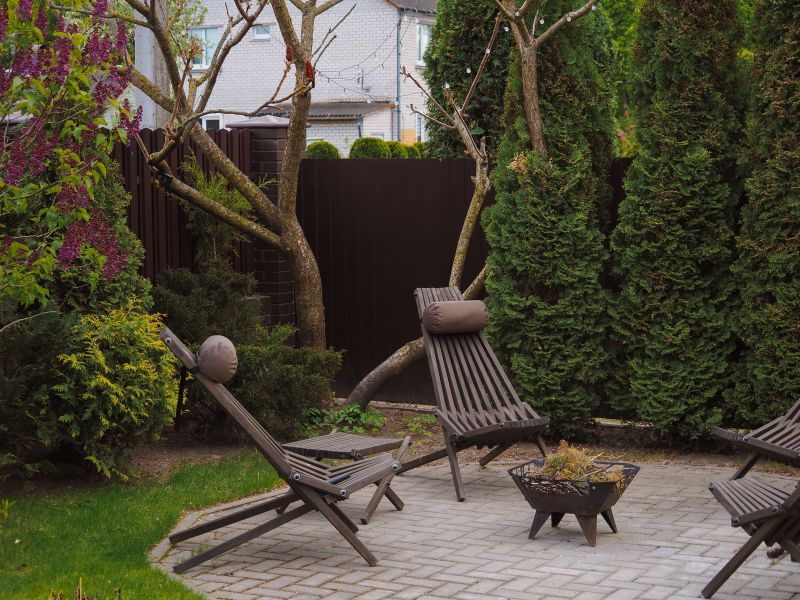
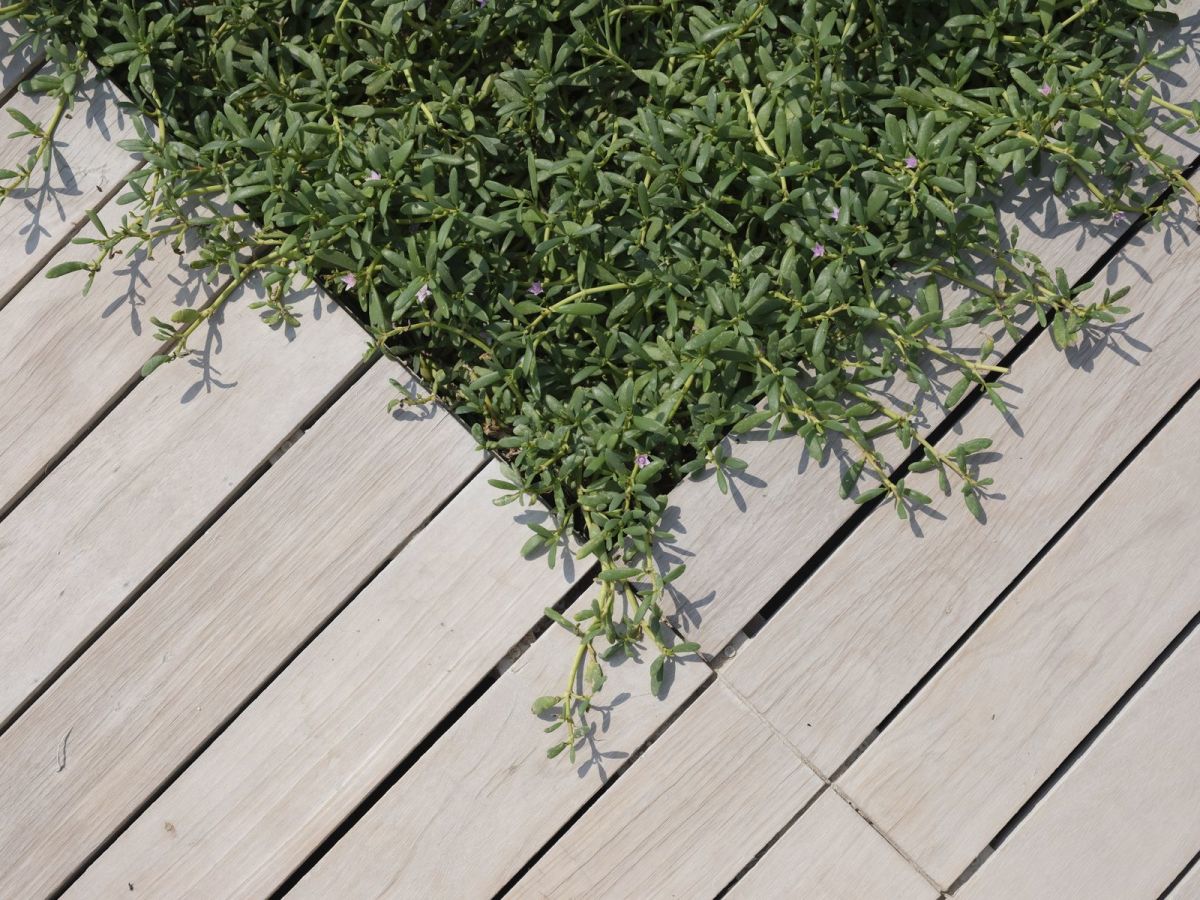
Diagonal layouts earn their keep in small yards. Running paving or decking boards at 45 degrees to the boundary makes a narrow space feel 15 - 20% wider to the eye, at no extra material cost. Changing surface material between zones - paving to gravel, gravel to planting - does the same job as walls do indoors, without eating a single centimetre of floor space.
Vertical Space Is Free Square Footage
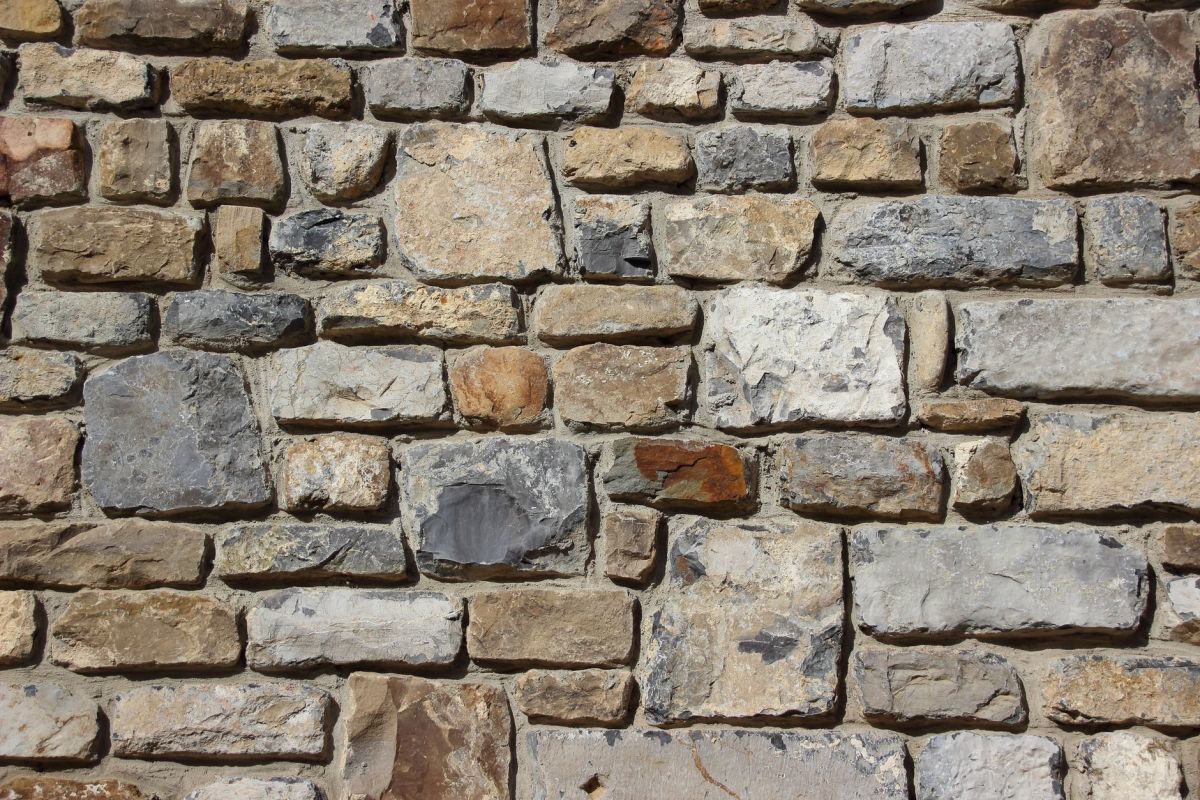
In a 20m² yard, the walls often offer more usable area than the floor. Trellis, wall-mounted planters, and climbers turn a 2m brick wall into a growing space that costs £150 - £500 to fit out fully. Evergreen climbers like ivy and Clematis armandii keep terrace walls green through the North East's long winter, and a green wall visibly softens the hard brick-on-brick feel of a classic Tyneside back lane yard.
Surfaces: What to Put Underfoot in a Small Yard
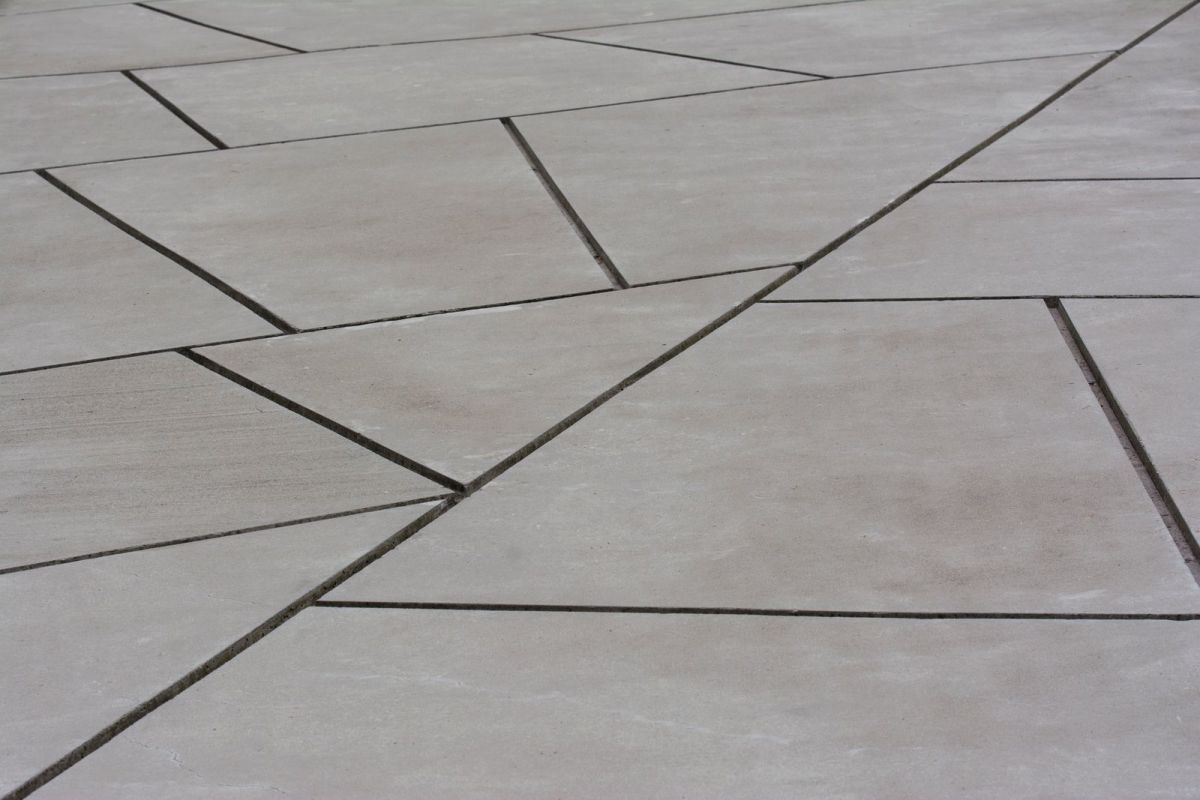
Surfacing is usually the biggest single line in a small garden budget, and small areas cost more per square metre than large ones because setup and access costs don't shrink with the job. Realistic 2026 Newcastle figures: porcelain paving £120 - £180 per m² installed, natural sandstone £90 - £140, composite decking £120 - £160, gravel with a proper sub-base £30 - £50, artificial grass £60 - £85. A full 20m² yard resurface therefore runs anywhere from £700 in gravel to £3,500+ in porcelain.
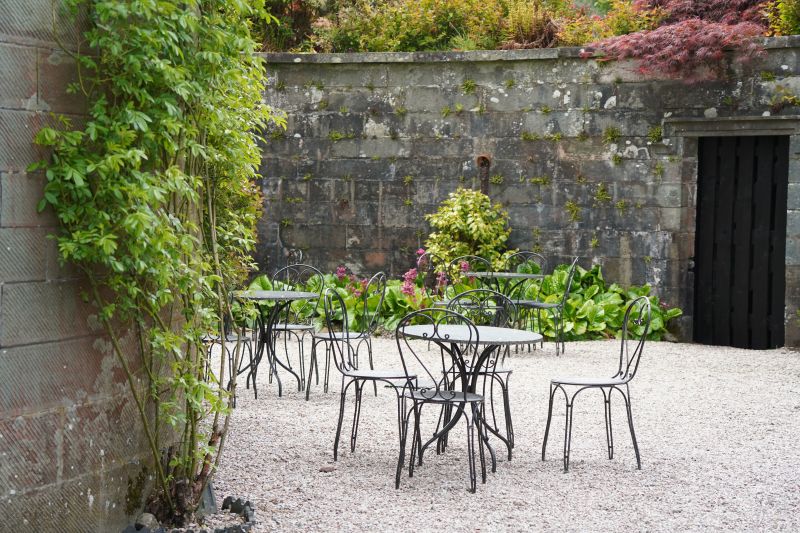
For shady Newcastle yards, surface choice is partly a safety decision. Smooth paving grows algae fast in damp shade and turns into an ice rink from November to March - and North East frosts run several weeks longer at each end than the UK average. Textured porcelain or riven sandstone with a decent fall for drainage handles it far better. Timber decking in a shaded North East yard is honestly a mistake; it greens over within two winters and needs pressure washing twice a year to stay walkable.
Drainage Before Beauty
Whatever the surface, water has to go somewhere, and on Tyneside clay it won't soak away on its own. Building in a fall of at least 1-in-80 towards a drainage point adds little to the cost during the build and saves a flooded yard later. Note that under permitted development rules, paving over front gardens with impermeable surfaces of more than 5m² requires planning permission unless the water drains within the property - the government's planning permission guidance covers where the lines fall.
Planting That Survives a North East Yard
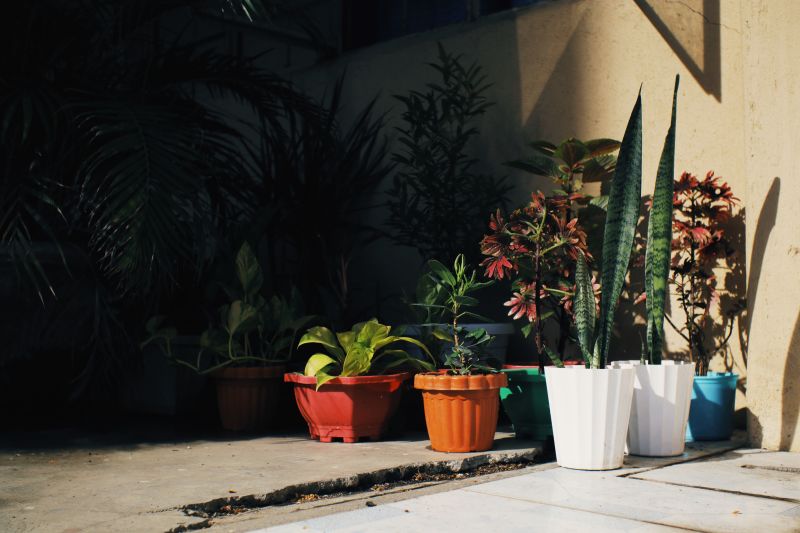
Shade-tolerant, wind-tolerant, clay-tolerant - a Newcastle terrace yard asks a lot of a plant. The reliable performers here are ferns, hostas, heucheras, hardy geraniums, and evergreen structure like sarcococca and skimmia, most of which cost £8 - £25 per plant and shrug off both shade and a -5°C snap. Raised beds solve the clay problem in one move: 300 - 450mm of imported topsoil above the clay drains freely and warms up 2 - 3 weeks earlier in spring, which matters in a region where the growing season is already short.
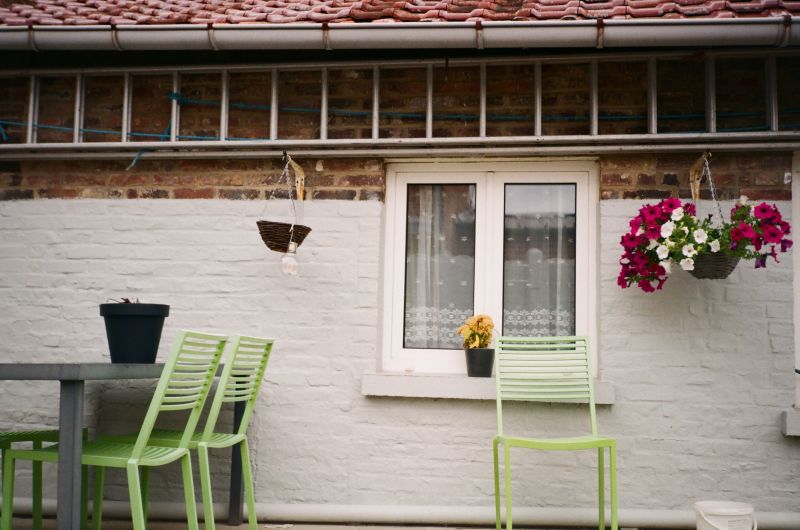
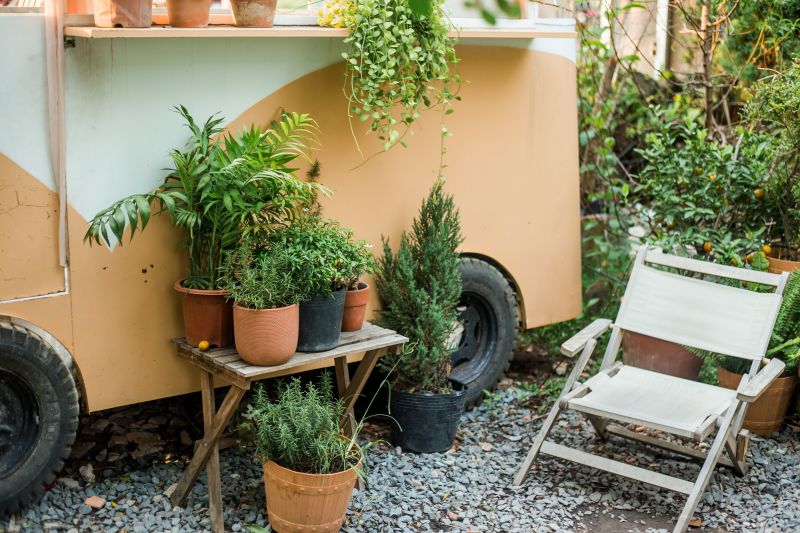
Budget £500 - £1,500 for raised beds and planting in a typical small yard, and lean evergreen. A garden that's 60 - 70% evergreen still looks intentional in January, and in Newcastle the garden spends more of the year in winter dress than a southern one does. Container-heavy schemes work too, but be realistic about wind - tall, light pots blow over in a terrace-row gust, so go wide, heavy, and frost-proof (cheap terracotta cracks here; expect £30 - £80 for a decent frost-rated pot).
Structures, Lighting, and the Cosy-Season Problem
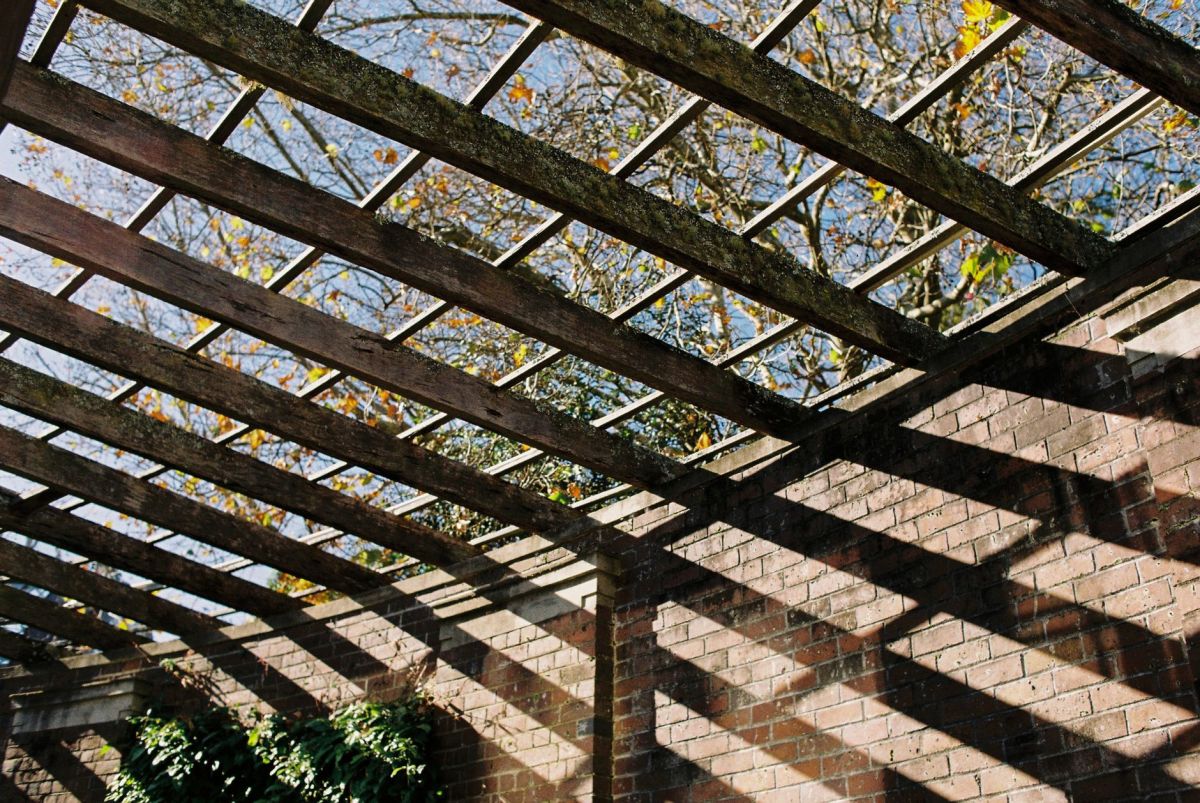
The blunt truth about outdoor living in the North East: without shelter and warmth, the garden gets used from May to September and ignored the other seven months. A small pergola or covered corner changes that arithmetic. Even in a compact yard, a 2.5m x 2.5m timber structure with a partially covered top costs £800 - £2,500 and roughly doubles the weeks the space gets used. We've broken down the full options and prices in our guide to garden pergolas and structures in Newcastle.
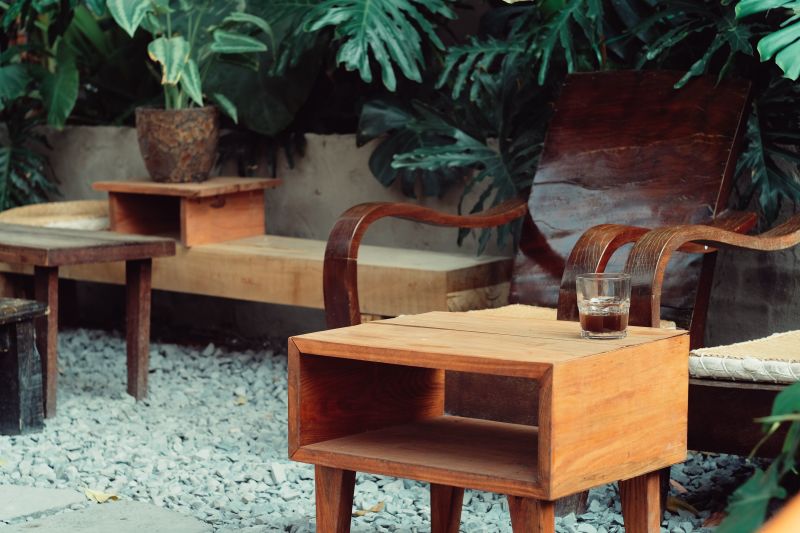
Lighting is the highest-impact spend per pound in a small garden. £300 - £800 of low-voltage LED lighting - a few uplighters on planting, a warm string over the seating zone - transforms a yard that would otherwise vanish at 4pm from November onwards, which is exactly when Newcastle's early dusk sets in. Run costs are trivial: a full small-garden LED scheme uses less power than a single old 60W bulb.
What a Small Garden Makeover Costs in Newcastle in 2026
Realistic all-in figures for a 20 - 35m² Newcastle yard:
Budget refresh (£1,500 - £3,500): gravel or partial paving, painted walls, raised bed, planting, solar or plug-in lighting. DIY-heavy versions come in lower.
Mid-range makeover (£4,000 - £8,000): full quality paving, raised beds, screening, wired lighting, storage solution. This is the most common bracket and where most terrace yards land.
High-spec redesign (£8,000 - £15,000): porcelain surfaces, built-in seating, pergola or covered area, integrated lighting, full planting scheme.
Access moves these numbers. If everything - waste out, materials in - travels through the house, add 10 - 20% for labour, and a skip permit on a Newcastle street runs roughly £30 - £70. On timing: the North East has a healthy supply of landscapers compared to the overheated South East, but the good ones still book 4 - 8 weeks ahead in spring. Whoever you use, check them on the TrustMark register of government-endorsed tradespeople before money changes hands - small jobs attract cash-in-hand cowboys just as much as big ones do.
Five Small Garden Ideas That Work Hard in Newcastle
The evening sun trap. Put the seating where the last light lands - often the far end of a west-backing terrace yard, not next to the house. Cost of getting this right: nothing. Value: the whole garden.
The green back lane wall. Trellis and evergreen climbers across the rear boundary wall. £200 - £600, and it swaps brick for green in every sightline from the kitchen window.
The no-mow yard. Textured paving plus deep raised borders, zero lawn. For yards under 25m² with poor light, this beats fighting to keep grass alive - and saves owning a mower with nowhere to store it.
The covered corner. A 2.5m² louvred or polycarbonate-roofed corner with lighting and a heater. £1,500 - £4,000, usable roughly 10 months of the year even here.
The mirror trick, used once. A single outdoor mirror on a shaded side wall visibly deepens a narrow yard. £50 - £150. Use one; a wall of them looks like a gym.
---
FAQ
Q: How much does a small garden makeover cost in Newcastle?
A: For a typical 20 - 35m² terrace yard, budget refreshes run £1,500 - £3,500, mid-range makeovers £4,000 - £8,000, and high-spec redesigns £8,000 - £15,000. Rear-access-only properties should add 10 - 20% for labour where materials travel through the house.
Q: What plants work best in a small shady Newcastle yard?
A: Ferns, hostas, heucheras, hardy geraniums, and evergreens like sarcococca and skimmia all handle shade, wind, and clay. Aim for 60 - 70% evergreen planting so the garden holds together through the North East's long winter. Raised beds with imported topsoil solve the clay drainage problem.
Q: Do I need planning permission for a small garden makeover in Newcastle?
A: Usually not for rear gardens - paving, raised beds, screening, and structures under 2.5m near boundaries generally fall within permitted development. Paving a front garden with more than 5m² of impermeable surface needs permission unless it drains within the property, and conservation areas have extra rules.
Q: Is artificial grass or paving better for a small Newcastle yard?
A: Depends on light and use. Yards with under 4 hours of summer sun struggle to keep real grass alive, so artificial grass (£60 - £85 per m² installed) or textured paving (£90 - £180 per m²) are the practical options. Paving with raised planting is lower maintenance long term; artificial grass is softer for children and pets.
Q: When is the best time to do a garden makeover in the North East?
A: Late autumn to early spring is ideal - landscapers are quieter, prices are keener, and the garden is ready to use the moment the season starts. Good North East landscapers book 4 - 8 weeks ahead in spring, so plan earlier than you think.
---
Ready to work with Blocktech Landscapes Ltd?
Let's connect! We’re here to help.
Send us a message and we’ll be in touch.
Or give us a call today at 07351542487
Agency Contact Form
More Marketing Tips, Tricks & Tools
Blocktech Landscapes Ltd