Garden Walls and Retaining Structures in Newcastle: What's Involved and What It Costs
A significant proportion of Newcastle's residential gardens aren't flat. From the gradients of Gosforth and Jesmond to the steeper plots in Gateshead and the Tyne Valley, many North East properties have gardens that need engineered solutions rather than just planting. Garden walls and retaining structures are the answer to these challenges - they manage level changes, prevent soil movement, define separate areas within a space, and give the garden a structure that allows everything else to work. According to the Royal Horticultural Society, retaining walls are among the most commonly requested garden features in hilly regions of the UK. In Newcastle, where gardens frequently need to accommodate drops of 500mm to 2m or more between levels, getting the engineering right matters as much as the aesthetics.
What Garden Walls Actually Do
Garden walls serve several different functions, and understanding which one applies to your Newcastle garden shapes every decision that follows.
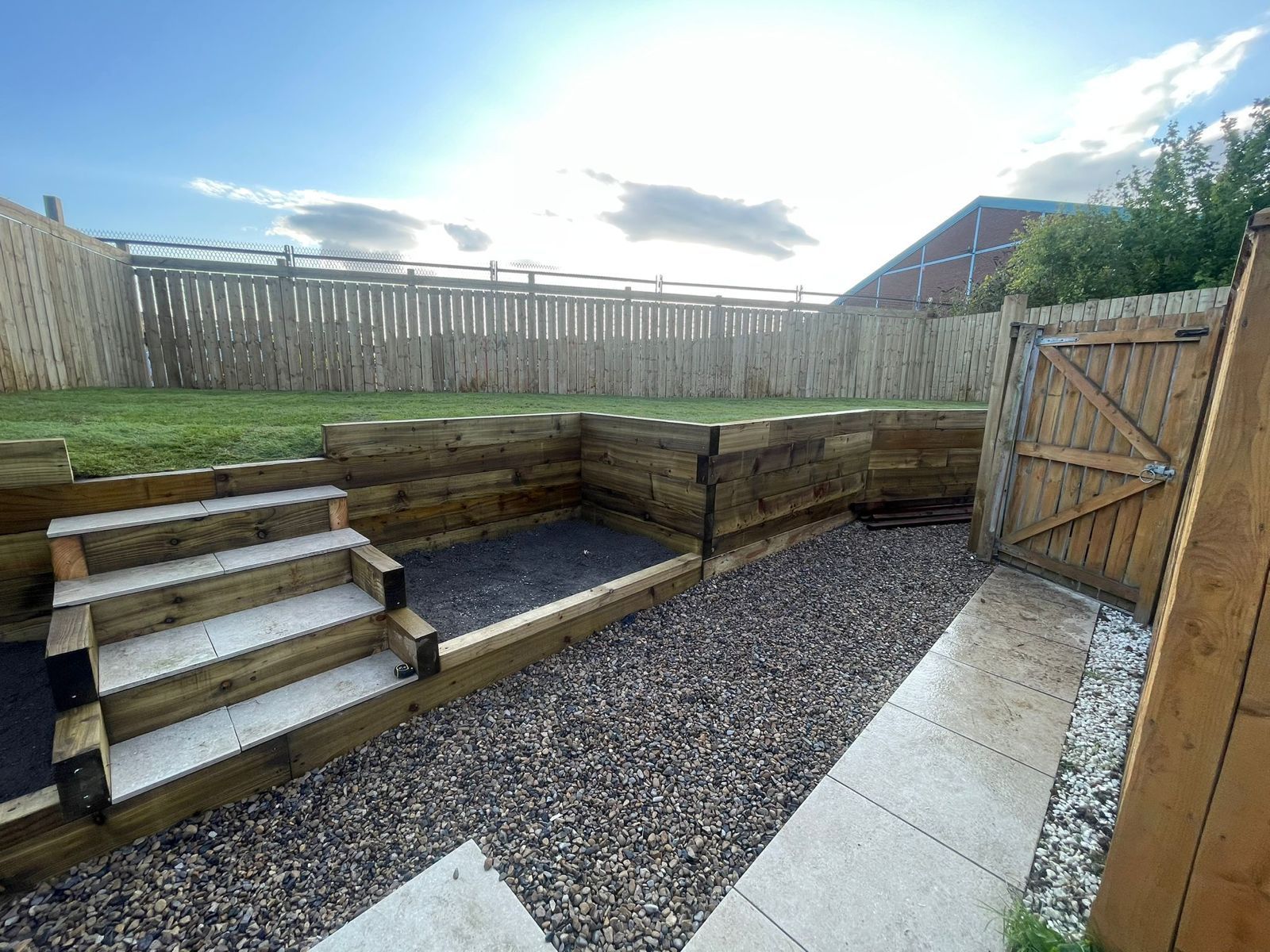
Retaining walls hold back soil where there's a level change. They're under structural load from the soil behind them and need to be built to withstand that pressure. Retaining walls need appropriate foundations, adequate drainage behind the wall to prevent hydrostatic pressure build-up, and either sufficient mass or the right structural design to resist the force of the retained ground.
Boundary walls mark the edge of the property. They're not holding back soil, so structural requirements are different - they need to resist wind load and remain stable on their foundations, but they're not dealing with the same kind of lateral pressure as a retaining wall.
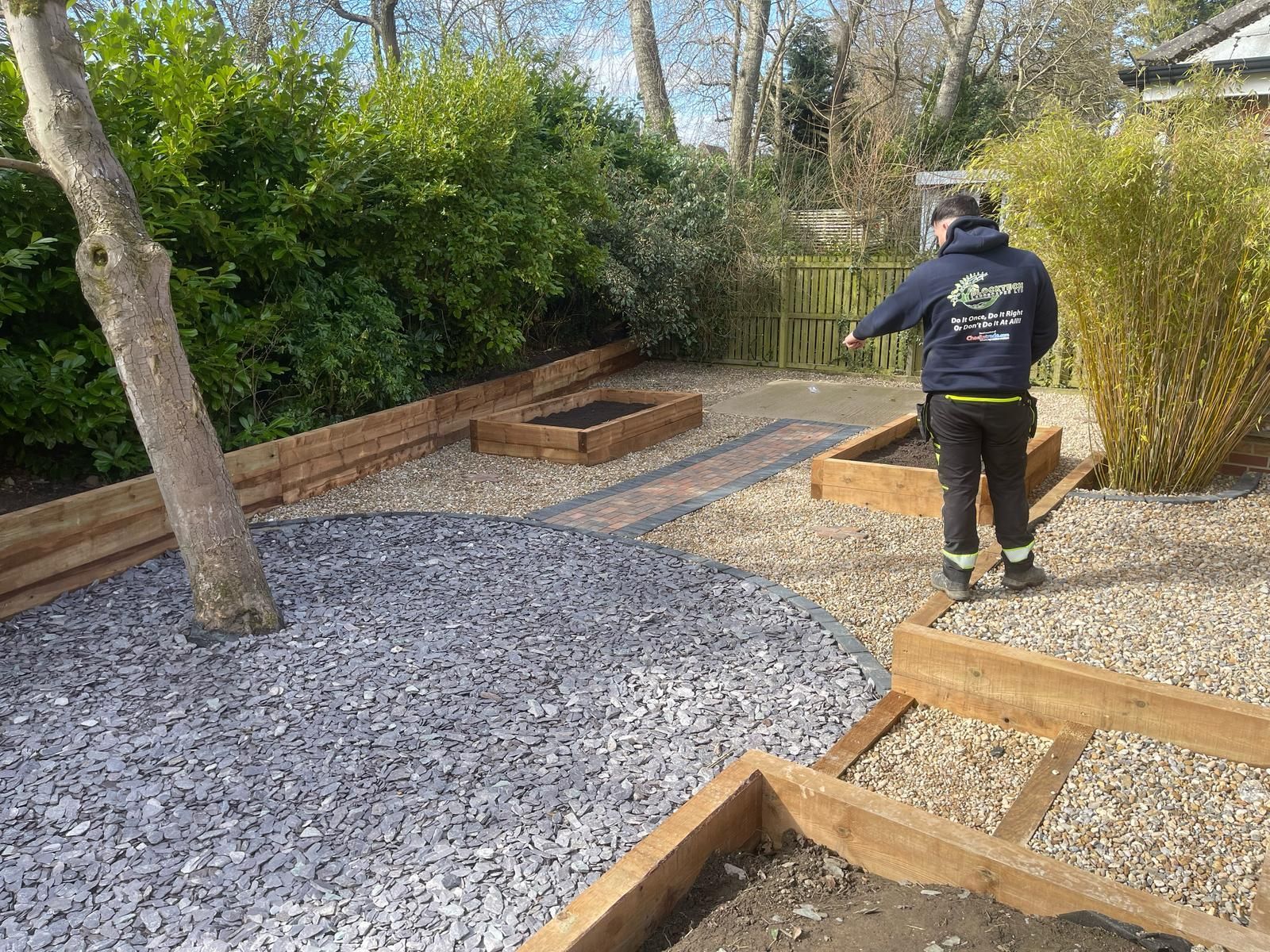
Garden dividing walls create sections within a garden - separating a seating area from a vegetable patch, for example, or defining a lower terrace. These can be lower and lighter than boundary walls and often double as seating or planting features.
Blocktech Landscapes designs and builds garden walls and retaining structures across Newcastle and the wider North East, including on the sloped and challenging plots that are common in the region's older residential areas.
Retaining Wall Engineering - What It Takes to Do It Right
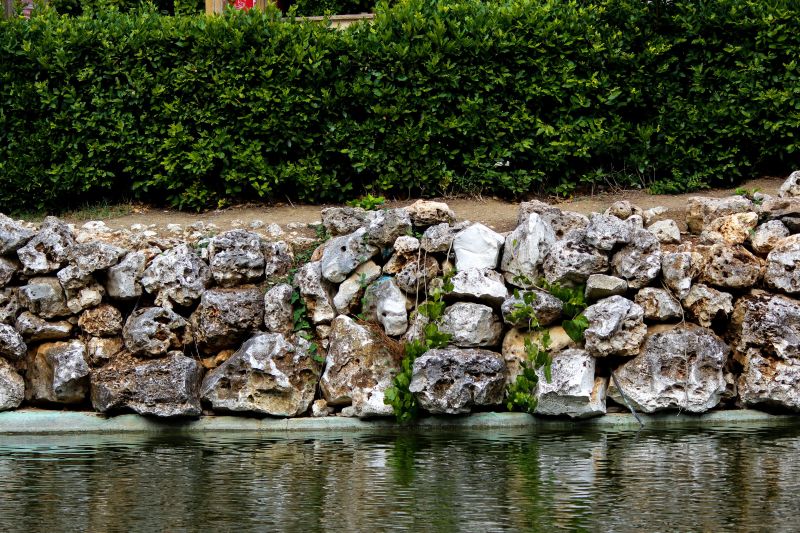
The most common failure in DIY or poorly specified retaining walls in Newcastle gardens is inadequate drainage behind the structure. Clay soils are widespread in the Newcastle area, and clay holds water effectively. After a wet North East winter - Newcastle receives around 600mm of rain per year, concentrated in the autumn and winter months - waterlogged clay behind a retaining wall exerts enormous lateral pressure. Walls that weren't built to handle this load crack, lean, and eventually fail.
Correct retaining wall construction includes:
- A proper foundation - typically 150-300mm of compacted hardcore below the base course, with a concrete strip footing for walls above about 600mm in height
- A drainage layer behind the wall - gravel or clean aggregate against the back face, with a geotextile membrane between the aggregate and the retained soil to prevent fine particles washing through
- Weep holes or drainage pipes through or beneath the wall to allow water to escape freely rather than building up behind the structure
- Appropriate wall thickness and mass - or, for taller walls, reinforcement or tie-backs
For retaining walls above 1.2m in height, engineering calculations are typically advisable. This doesn't necessarily mean a structural engineer's sign-off for every garden wall, but it does mean the specification should be based on the actual load conditions rather than guesswork.
Material Options for Newcastle Garden Walls
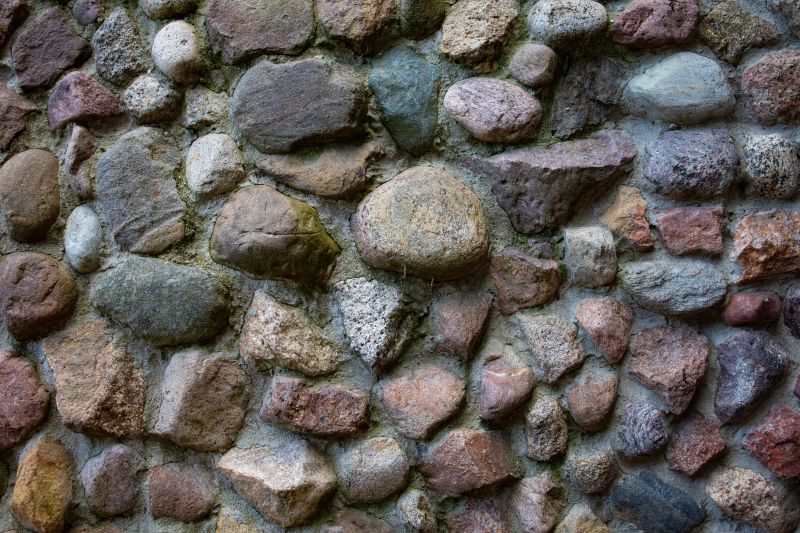
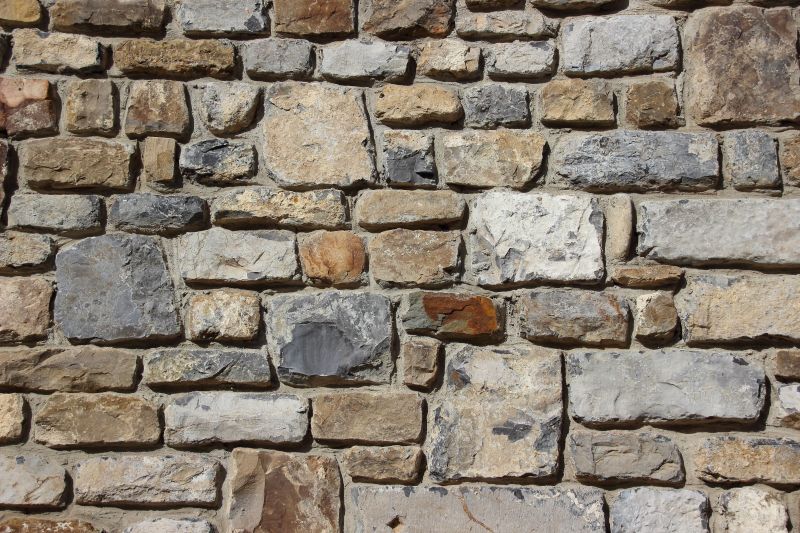
Natural stone has the strongest connection to North East building tradition. Sandstone and limestone are both widely used in the region, either in roughly-coursed random rubble style or more formal ashlar coursing. Stone walls built correctly are extremely durable and improve visually with age.
Concrete block - faced with stone slip cladding or rendered and painted - is the most practical choice for retaining walls in most Newcastle gardens. It's strong, readily available, and cost-effective. Plain exposed block has a utilitarian look that suits some garden styles but not others.
Traditional red brick suits the residential character of much of Newcastle's housing stock, looking appropriate against both Victorian terraces and mid-century semis. It needs a firm foundation, appropriate mortar, and good coping details at the top to prevent water penetration.
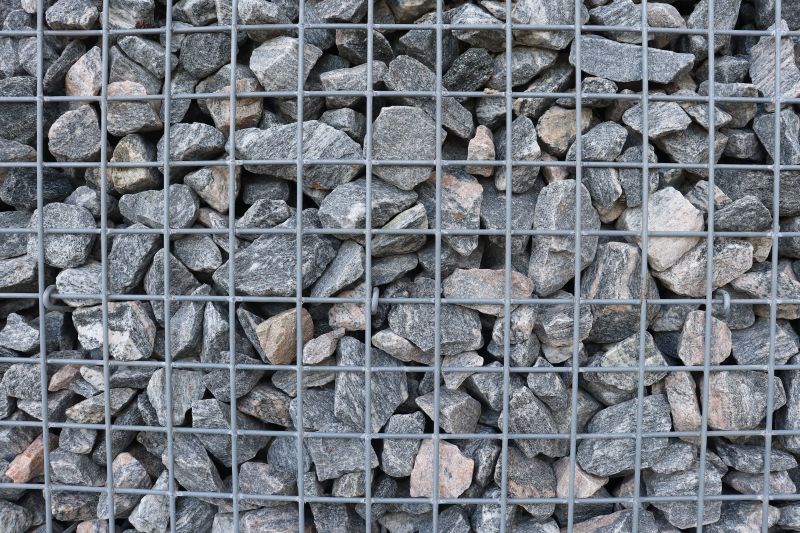
Gabion baskets - galvanised steel mesh filled with stone - are increasingly used for retaining applications. Highly effective structurally, they allow drainage naturally and have a contemporary industrial aesthetic. The main limitation is they read as modern and structural. They don't blend with a traditional cottage-garden setting.
Coping, Piers, and Finishing Details
The top of a garden wall - the coping - is where most water gets in and where most weather damage originates. A correctly specified coping with a drip edge to throw water clear of the wall face extends wall life significantly. Piers at regular intervals stiffen long boundary or dividing walls and give the design a formal rhythm that reads well in larger garden spaces.
We've looked at how drainage issues affect garden performance in detail in our Newcastle garden drainage guide- relevant reading alongside wall design, since the two are often closely connected in sloped Newcastle gardens.
Planning Permission for Garden Walls in Newcastle
Most garden walls don't need planning permission, but there are limits. Gates, fences, walls, and other means of enclosure adjacent to a highway used by vehicles are limited to 1m in height without planning permission. In all other positions, the limit is 2m. These limits apply under permitted development rights - if your property is listed or in a conservation area, the rules are more restrictive and you should check with Newcastle City Council before starting work.
Retaining walls within your own garden boundary that don't affect the public highway or neighbours are generally within permitted development for walls up to 2m.
What Garden Walls Cost in Newcastle

Simple low garden dividing wall (under 600mm), brick or block, 5-10 linear metres: £600 - £1,400.
Brick boundary wall, 1.2m-1.8m high, 5-10 linear metres: £1,500 - £3,500 depending on specification and access.
Retaining wall in concrete block or stone, 600mm-1.2m high, 5-10 linear metres: £1,200 - £2,800 including drainage.
Taller retaining wall (1.2m-2m), 5-10 linear metres: £2,500 - £5,000+, depending on soil conditions and engineering requirements.
Natural stone commands a premium over concrete block in all categories - typically 30-50% more for the material and labour combined.
FAQ
Q: Do I need planning permission for a garden retaining wall in Newcastle?
Not usually. Walls within your own garden up to 2m are generally permitted development. Walls adjacent to a highway are limited to 1m without permission. If your property is listed or in a conservation area, check with Newcastle City Council before starting.
Q: How high can a garden wall be without a structural engineer in Newcastle?
There's no hard legal threshold, but retaining walls above around 1.2m should have their specification checked against the actual soil and loading conditions. Below that, experienced landscaping contractors work to standard specifications. Above it, particularly on sloped North East sites with clay soils, engineering input is advisable.
Q: What's the best material for a garden wall in a Newcastle terrace?
Brick suits the character of most Newcastle terraced housing well and matches common boundary treatments in the area. For retaining applications, concrete block is more practical and cost-effective, with facing options to match the desired aesthetic. Natural stone looks excellent but costs significantly more.
Q: Why do garden retaining walls fail in Newcastle?
The most common cause is inadequate drainage behind the wall. North East clay soils hold water after wet winters, and the pressure on a poorly drained wall is substantial. Walls that weren't built with a drainage layer and weep holes fail through cracking and leaning, sometimes within a few years of construction.
Q: Can a retaining wall in my Newcastle garden double as seating?
Yes - wide-topped walls at seating height (approximately 450mm) are a popular feature in tiered Newcastle gardens. They need to be built wide enough to sit on comfortably (usually 300mm minimum) and the coping needs to be smooth and weather-resistant. Natural stone coping and porcelain coping tiles both work well for this purpose.
Ready to work with Blocktech Landscapes Ltd?
Let's connect! We’re here to help.
Send us a message and we’ll be in touch.
Or give us a call today at 07351542487
Agency Contact Form
More Marketing Tips, Tricks & Tools
Blocktech Landscapes Ltd