Gravel Gardens in Newcastle: Low-Maintenance Design and Costs
A gravel garden is about the lowest-maintenance ground treatment you can give a Newcastle plot, and done properly it looks far better than the bare shingle most people picture. Installed with a proper membrane and edging, a gravel garden runs roughly £40 - £90 per square metre, so a typical 30m² back garden lands somewhere between £1,200 and £2,700. The gravel itself is the cheap part at around £4 - £8 per 20kg bag or £60 - £90 per bulk tonne bag, which covers about 10 - 12m² at a sensible 50mm depth. The real value is time: a gravel garden cuts mowing to zero and drops watering by an estimated 60 - 80% once planting is established. On Tyneside's heavy clay and through winters that run three to four weeks longer than the UK average, that low-fuss, free-draining surface makes a lot of sense. This guide covers real 2026 costs, the groundwork that stops weeds, and planting that thrives in the North East.
What a Gravel Garden Costs in Newcastle in 2026
Supplied and installed, expect £40 - £90 per square metre for a proper gravel garden in Newcastle, and the spread comes down to what sits under the stone. A basic job over an existing firm surface sits at the lower end, while a full build with excavation, a compacted sub-base, weed membrane, and edging pushes toward the top. For a 30m² garden that is roughly £1,200 - £2,700, and a smaller 15m² yard around £600 - £1,350.

The gravel is a modest slice of that. Decorative aggregate costs around £60 - £90 per bulk bag, and one bag covers about 10 - 12m² at 50mm deep, so stone for a 30m² garden is only £180 - £270. Most of the price is labour, groundwork, membrane, and edging. Blocktech Landscapes Ltd designs and installs gravel gardens across Newcastle and the North East, and you can talk through layout and planting by getting in touch through the Blocktech Landscapes website once we have seen the ground.
Watch out for quotes that skip the sub-base and membrane to hit a low number. Gravel tipped straight onto soil sinks, mixes with mud, and grows weeds within a season, which means paying twice.
Why Gravel Gardens Suit Newcastle's Climate and Clay
Newcastle gets around 650 - 700mm of rain a year and a long, damp, cold winter, and a well-built gravel garden takes all of that in its stride. Unlike a lawn that turns to mud and moss from October to April, gravel drains freely and never waterlogs, so the garden stays usable in weather that leaves grass a swamp. On Tyneside's boulder clay, which barely drains on its own, that free-draining top layer is a genuine advantage.
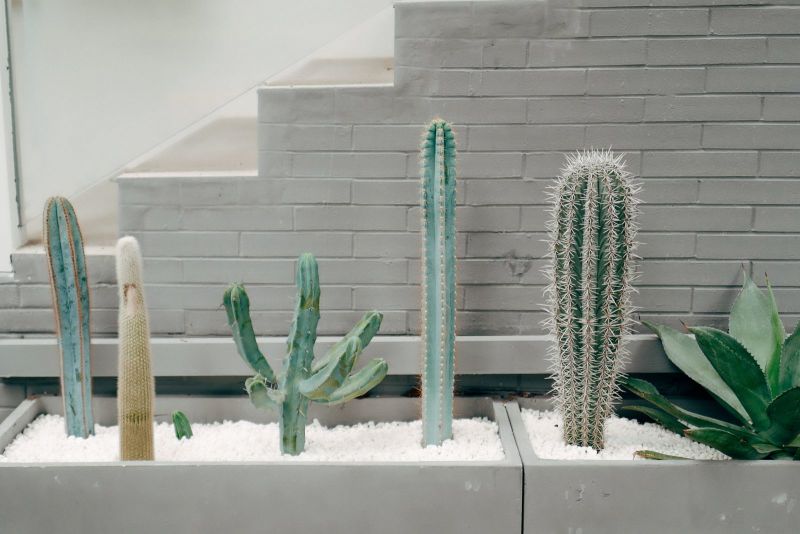
Gravel also helps where wind is a factor. Plenty of Newcastle gardens, especially on higher ground and near the coast, catch a stiff breeze that batters tall, thirsty plants. A gravel garden pairs naturally with tough, low, wind-tolerant planting that shrugs off exposure. The Royal Horticultural Society's guidance on gravel gardens is a good primer on the style, though the planting choices need adjusting for our cooler, wetter North East conditions rather than a dry southern climate.
Drainage Still Needs Thinking About
Free-draining gravel does not mean you can ignore where the water goes. On clay, water passing through the gravel still has to move somewhere, so a slight fall away from the house and, on larger areas, a soakaway keep it from pooling under the surface. If you are replacing lawn or a paved area with a large gravel run, note that permeable gravel is one of the surfaces the government encourages, and the official guidance on paving front gardens explains the drainage rules worth knowing before you start.
The Groundwork That Makes or Breaks a Gravel Garden
The difference between a gravel garden that stays crisp for years and one that turns weedy and patchy is almost entirely underground. A proper build starts by clearing the area and, where it will be walked on, laying and compacting a thin Type 1 sub-base so the gravel does not rut. Over that goes a heavy-duty woven weed membrane, overlapped and pinned, which blocks weeds from below while letting water through.
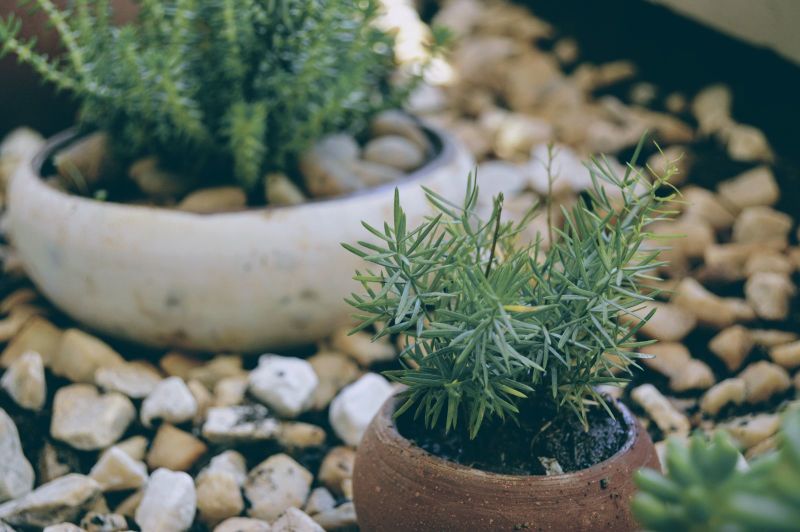
Depth matters. Aim for around 50mm of gravel over the membrane, which is enough to cover it fully without being so deep it is hard to walk on or plant into. Too thin and the membrane shows through and shifts; too deep and you waste stone and it feels like walking on a beach. On a 30m² garden, 50mm needs roughly 2.5 - 3 tonnes of aggregate.
Edging Keeps It Where It Belongs
Without edging, gravel migrates onto paths, into borders, and down drains. A steel, timber, or brick edge at £15 - £35 per linear metre installed keeps the stone contained and gives clean lines that make the whole garden look deliberate. This is one of those small costs that is very much worth paying, because raking spilled gravel back every week gets old fast.
Planting a Gravel Garden for the North East
The classic Mediterranean gravel-garden look leans on lavender, santolina, and drought-lovers that hate cold wet feet, and many of those sulk or die in a Newcastle winter. The trick here is to keep the low-maintenance gravel style but plant things that genuinely cope with our conditions. Hardy grasses like Stipa and Festuca, sedums, hardy geraniums, euphorbia, and evergreen structure plants such as low pines and hebes all do well and look right poking through gravel.
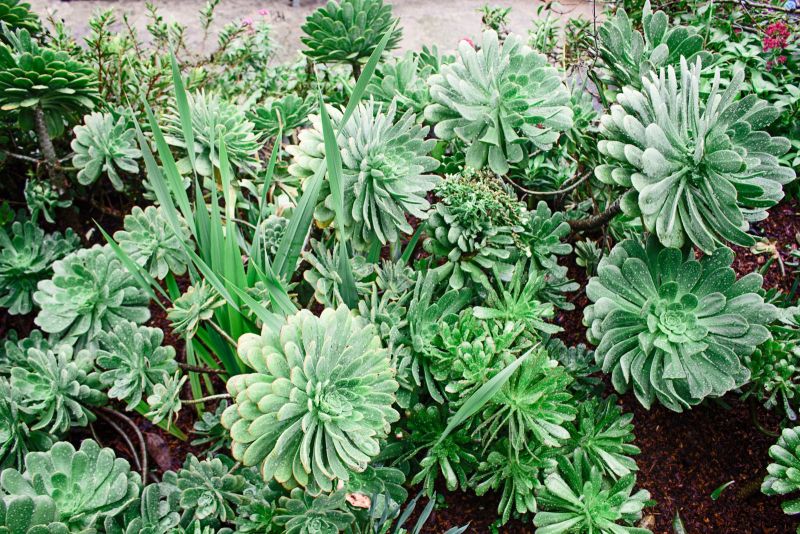
Plant through cross-cut slits in the membrane, backfilling with a gritty soil mix so roots get drainage without sitting in clay. Space for growth, because a gravel garden looks best when planting is generous but not crammed. Established this way, watering drops sharply after the first year, by an estimated 60 - 80% compared with a bedded border, since the gravel mulch holds moisture and suppresses evaporation.
Borders and Gravel Working Together
Gravel gardens do not have to be an all-or-nothing choice. Many Newcastle gardens work best with a gravel core and planted borders around the edge, blending low-maintenance ground with seasonal colour. If you want to get the planted edges right, our guide to garden borders and planting in Newcastle covers the plant choices and soil prep that pair well with a gravel scheme.
Maintenance: How Low Is Low?
Gravel gardens are low-maintenance, not no-maintenance, and it is fair to set expectations. The big wins are real: no mowing, no edging a lawn, and watering cut by more than half once plants settle. What is left is light and occasional. Expect to pull the odd windblown weed that germinates on the surface, top up gravel every few years as it settles and thins by around 10 - 15%, and rake it level now and then.
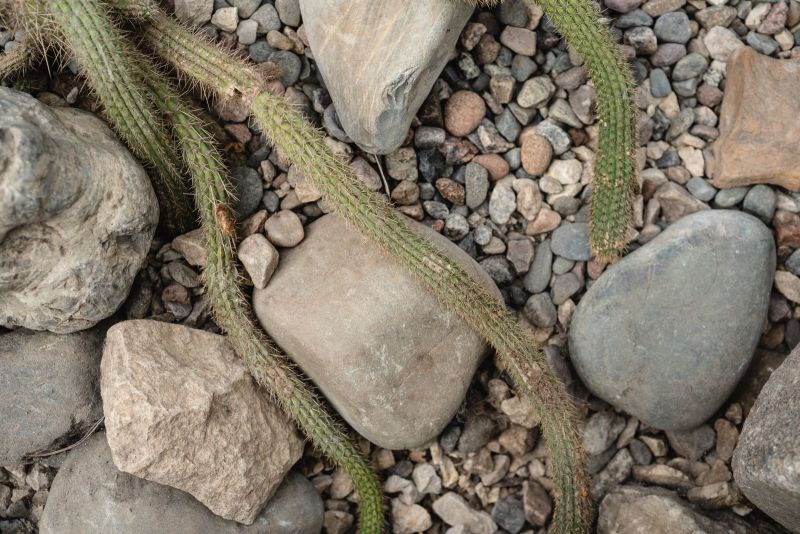
Leaves are the one Newcastle catch. If you have nearby trees, autumn leaf fall settles into gravel and, left there, rots down into a thin layer that weeds love. A quick leaf-blow or rake in late autumn keeps the surface clean and stops that happening. Do that and a well-built gravel garden stays smart for 10 years or more before it needs a proper refresh.
Getting a Fair Quote and Making It Last
Compare gravel-garden quotes on what is underneath, not the headline rate. A trustworthy Newcastle installer will spell out whether the ground is excavated, whether a sub-base is laid, the grade and overlap of the membrane, the gravel depth, and the edging. If one quote is noticeably cheaper, the saving is almost always a skipped membrane or no edging, and that is exactly where a gravel garden fails.
It also pays to check who you are hiring. The consumer group Which? has practical advice on finding and hiring a tradesperson that applies well to landscaping, from getting itemised quotes to checking previous work. Get the membrane, depth, and edging right, choose gravel in a colour that suits your brick, and a Newcastle gravel garden will look sharp and stay easy for years.
---
FAQ
Q: How much does a gravel garden cost in Newcastle?
A: Supplied and installed, expect £40 - £90 per square metre depending on the groundwork. A 30m² garden runs roughly £1,200 - £2,700 and a 15m² yard around £600 - £1,350. The gravel itself is cheap at £60 - £90 per bulk bag covering about 10 - 12m² at 50mm deep, so most of the cost is labour, sub-base, membrane, and edging rather than the stone.
Q: Are gravel gardens good for Newcastle's wet climate?
A: Yes. With around 650 - 700mm of rain a year and a long, cold, damp winter, a lawn turns to mud and moss for months, whereas a well-built gravel garden drains freely and stays usable. On Tyneside's clay, which barely drains on its own, the free-draining gravel layer is a real advantage, and gravel also pairs well with the tough, wind-tolerant planting that suits exposed local gardens.
Q: How much maintenance does a gravel garden need?
A: Far less than a lawn but not zero. There is no mowing and watering drops by an estimated 60 - 80% once planting establishes. You will pull the odd windblown weed, rake the surface level occasionally, top up gravel every few years as it thins by 10 - 15%, and clear fallen leaves in autumn so they do not rot into the stone and feed weeds.
Q: What plants work in a Newcastle gravel garden?
A: Skip the tender Mediterranean drought-lovers that hate cold wet winters. Hardy grasses like Stipa and Festuca, sedums, hardy geraniums, euphorbia, and evergreen structure plants such as low pines and hebes all cope with North East conditions. Plant through slits in the membrane, backfill with a gritty mix for drainage, and space generously so the scheme fills out without overcrowding.
---
Ready to work with Blocktech Landscapes Ltd?
Let's connect! We’re here to help.
Send us a message and we’ll be in touch.
Or give us a call today at 07351542487
Agency Contact Form
More Marketing Tips, Tricks & Tools
Blocktech Landscapes Ltd