Garden Pergolas and Structures in Newcastle: Options, Costs, and What Lasts
A pergola done well changes the way a garden gets used. It creates a defined outdoor room, makes the garden feel more considered, and gives structure to an otherwise open space. In Newcastle's climate - genuinely warm summers interspersed with wet and windy weather the rest of the year - the right choice of structure and material matters considerably more than it does further south.
This isn't a straightforward product decision. The range of structures described as pergolas is wide, and the quality range within each type is wider still. A pressure-treated timber pergola built properly from good hardwood will last decades. A flat-packed pine pergola from a garden centre will start to look tired within three to five years in Newcastle's wet winters.
What Counts as a Pergola
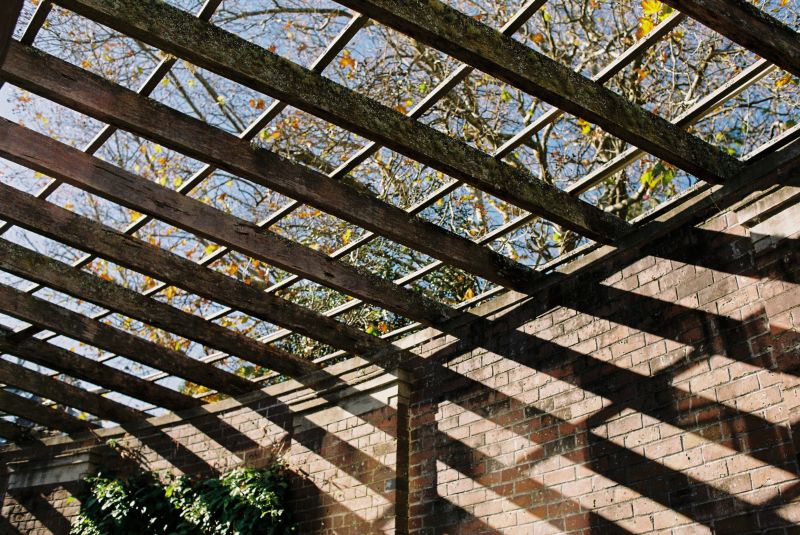
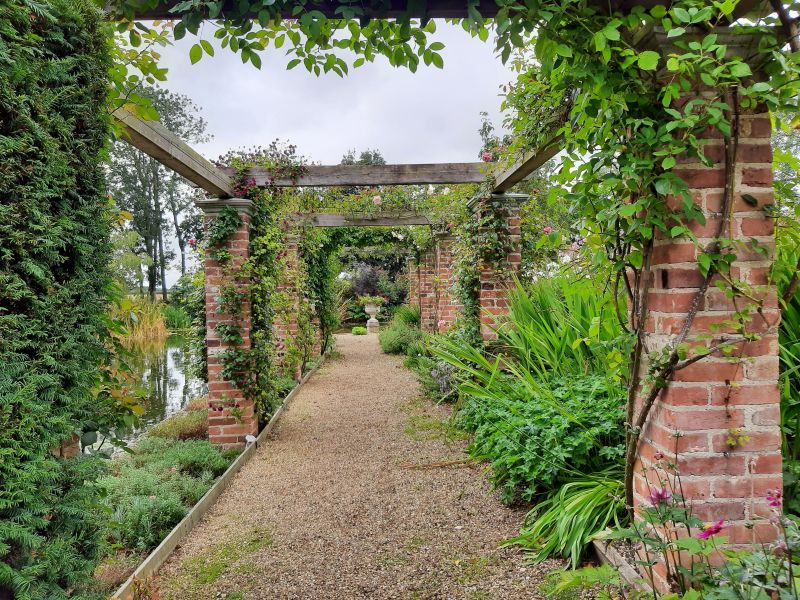
The word covers a broad range of structures. A traditional pergola is an open-roofed framework of posts and beams, often with climbing plants trained over it. A more modern version might incorporate a louvred or slatted roof that provides partial cover. Fully covered structures - essentially a solid-roofed outdoor room - are better described as garden rooms or verandas and involve different planning considerations.
Blocktech Landscapes Ltd designs and builds garden structures across Newcastle and the North East, including pergolas, gazebos, and covered seating areas that work with the local climate rather than against it.
Timber vs Metal vs Composite
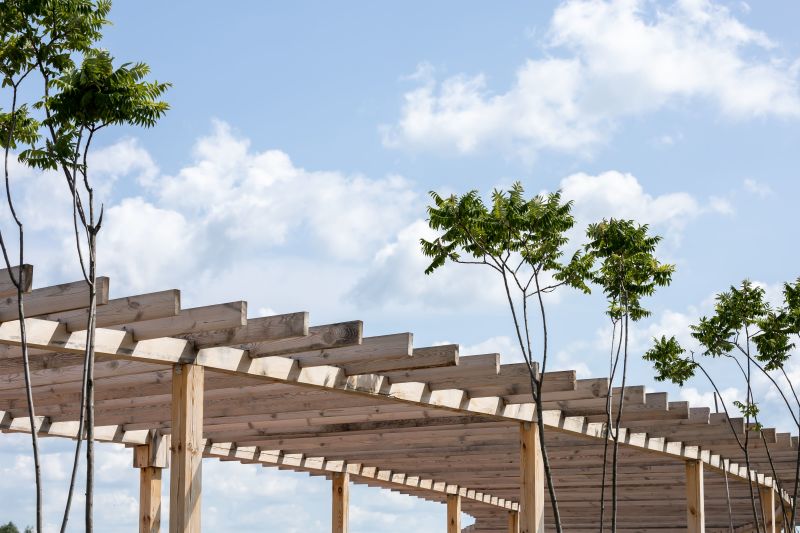
Timber is the traditional material and still the most popular in Newcastle gardens. Softwood (pressure-treated pine) is the budget option - it does the job but weathers faster in the North East's wet conditions and needs regular treatment to maintain appearance and structural integrity. Hardwood (oak, iroko, or similar) costs more upfront but develops a silver-grey patina naturally and requires minimal maintenance. The difference in longevity is significant.
Steel and aluminium frames are the modern alternative. Powder-coated aluminium in particular is increasingly popular for contemporary garden designs - it doesn't rust, doesn't need painting, and holds its finish well. The aesthetic is clean and modern rather than traditional. It suits flat-roofed and louvred designs well. In a period property with a traditional garden, it can look out of place.
Composite materials (similar to composite decking) are used for some pergola cladding and roofing elements. They're low maintenance and durable but tend to look more utilitarian than timber or aluminium.
Louvred Roofs
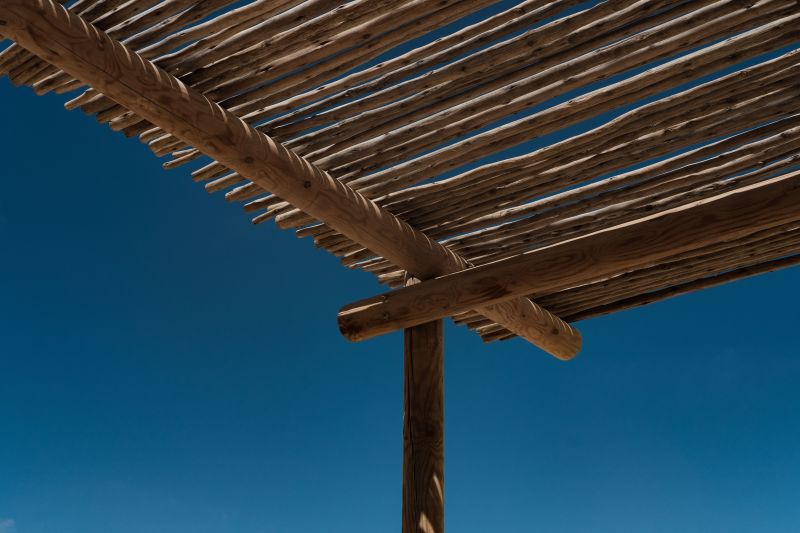
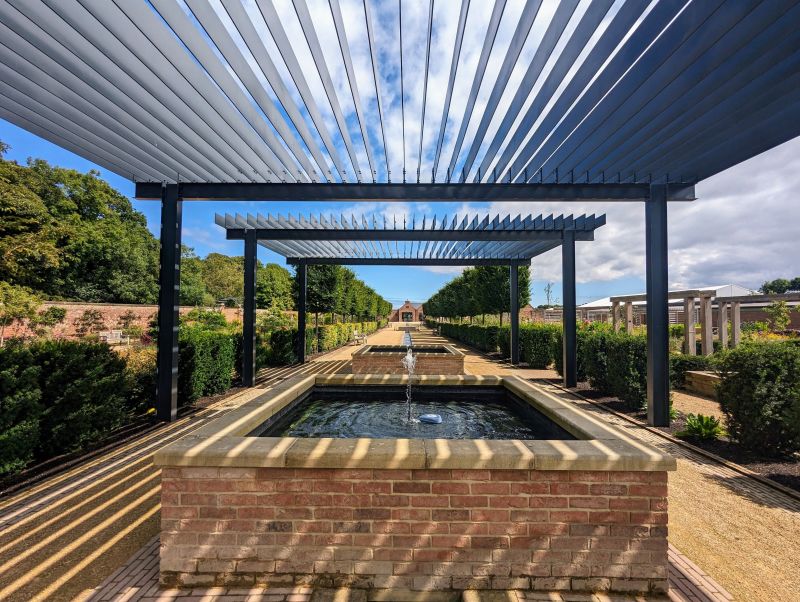
Louvred pergola roofs - adjustable aluminium slats that open and close to control light and rain - have become genuinely popular in Newcastle in the last few years. They give real weather protection without turning the structure into a permanent solid-roofed building. Electrically operated louvres controlled by remote or phone app are now available at a range of price points.
The trade-off is cost. A well-specified aluminium louvred pergola covering a reasonable seating area is a significant investment. And in Newcastle's climate, "weather protection" means keeping light drizzle off rather than keeping proper horizontal rain out - water can still blow in from the sides in wind.
Planning Permission
Most pergolas in residential gardens fall within permitted development and don't need planning permission. The key conditions are that the structure is in the rear garden, it's not more than 3m high (or 4m with a pitched or hipped roof), and it doesn't cover more than 50% of the garden area. If the property is in a conservation area or is listed, different rules apply.
A permanent solid-roofed structure that's attached to the house may need building regulations approval as well as planning permission - worth confirming before building anything substantial.
We've covered planning and permitted development for other garden features in our Newcastle garden path design guide, which discusses what typically falls within permitted development for residential garden projects in this area.
What Garden Structures Cost in Newcastle
Softwood pressure-treated pergola, freestanding, approximately 3m x 3m: £800 - £1,800 installed.
Hardwood oak pergola, same footprint, quality construction: £2,500 - £5,000 installed.
Aluminium powder-coated pergola with fixed louvred roof: £3,000 - £7,000 installed depending on size and specification.
Motorised louvred pergola (premium specification): £6,000 - £15,000+.
Gazebo (octagonal or traditional form, hardwood): £2,000 - £6,000 installed.
Groundwork - footings and base - is included in the above figures for standard installations. Electrics, lighting, and heating are additional if required.
FAQ
Q: Do I need planning permission for a pergola in Newcastle?
Most freestanding pergolas in rear gardens fall within permitted development and don't need planning permission, provided they're under 3m high and don't cover more than 50% of the garden. Conservation area properties and listed buildings have different rules. Check with Newcastle City Council if you're uncertain.
Q: How long does a timber pergola last in Newcastle?
A well-built hardwood pergola maintained properly can last 30+ years. Pressure-treated softwood typically needs replacing or significant repair within 10-15 years in the North East's wet climate. The difference in initial cost is usually worth it over the lifetime of the structure.
Q: What's the best pergola material for Newcastle's climate?
Hardwood timber and powder-coated aluminium both perform well. Softwood needs more regular treatment to hold up in the North East's wet conditions. Louvred aluminium roofs give good weather protection for an outdoor seating area.
Q: Can a pergola have electrics and lighting?
Yes - electrics, outdoor lighting, and even heating can be added to a pergola. This requires a qualified electrician and needs to meet outdoor wiring standards. It's easier to plan for this at the build stage than to add later.
Q: How long does a pergola take to build?
A standard residential pergola installation takes one to three days depending on size, complexity, and groundwork required. Louvred systems and structures with electrical elements take longer.
Ready to work with Blocktech Landscapes Ltd?
Let's connect! We’re here to help.
Send us a message and we’ll be in touch.
Or give us a call today at 07351542487
Agency Contact Form
More Marketing Tips, Tricks & Tools
Blocktech Landscapes Ltd