Block Paving Patios in Newcastle: Costs, Patterns, and How They Compare to Slabs
Block paving gets talked about as a driveway surface, but it makes an excellent patio too, and in Newcastle it has a couple of advantages that slabs simply cannot match. Expect to pay roughly £90 - £150 per m² for a properly built block paved patio in 2026, which puts a typical 25m² area at around £2,300 - £3,700. Slabs cover a wider range at about £80 - £190 per m² depending on whether you go for concrete, sandstone, or porcelain. The real difference shows up over time. Blocks are small, thick units laid on sand, so they flex with ground movement instead of cracking, and any that do get stained can be lifted and swapped in an afternoon. On heavy Tyneside boulder clay, with 50-plus air frost nights a year and ground that swells and shrinks through winter, that flexibility is worth having. Here is what block paving really costs here, which patterns work, and when slabs are still the better call.
What a Block Paving Patio Costs in Newcastle in 2026
Concrete block paving is the volume option and the cheapest per square metre. Supply-and-lay for standard 200 x 100 x 50mm concrete blocks runs about £90 - £130 per m² in and around Newcastle. Move up to a textured or tumbled block and you are at £110 - £150 per m². Clay pavers, which keep their colour far better than concrete, cost more at £140 - £190 per m² laid, and permeable block systems add roughly £15 - £30 per m² on top because of the extra sub-base depth and the clean, open-graded stone they need.
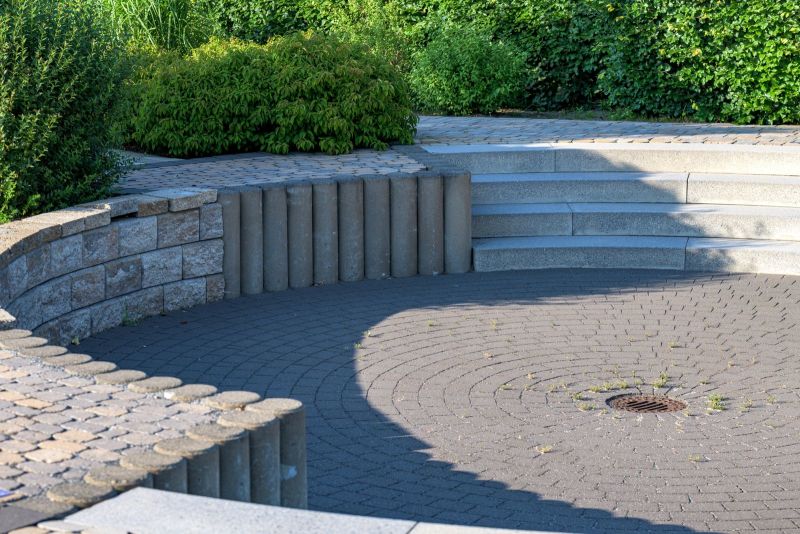
Materials are only about 35 - 45% of that total. The rest is excavation, sub-base, edge restraints, cutting, and labour, which is why a suspiciously cheap quote almost always means a thin base. Extras worth budgeting for include muckaway at £250 - £450 per grab or skip load, a step or two down from a back door at £180 - £350 each, and a drainage channel at £60 - £120 per linear metre. Blocktech Landscapes Ltd lays block paving across Newcastle and the wider North East, and you can talk through layouts and get a measured quote via the Blocktech Landscapes website.
For a like-for-like comparison, a 25m² patio in standard concrete block typically lands at £2,300 - £3,300, the same area in riven sandstone slabs at £2,500 - £3,800, and in porcelain at £3,500 - £4,700.
Block Paving vs Slabs: The Honest Comparison
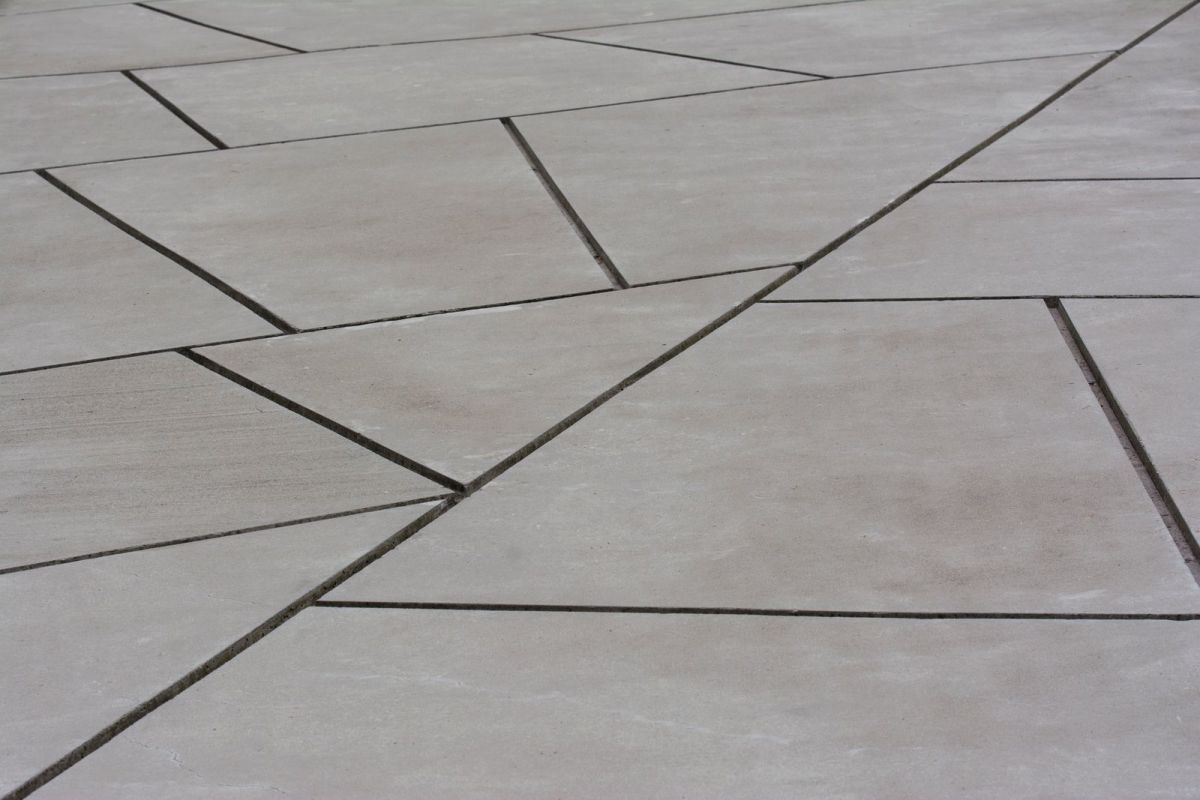
Slabs win on look for large formal areas. A 900 x 600mm porcelain slab gives you a calm, wide surface with very few joints, and it stays clean with almost no effort. Block paving gives a busier, more textured surface with a joint every 100mm or so, which suits smaller spaces, curves, and anywhere that needs to tie into an existing block driveway.
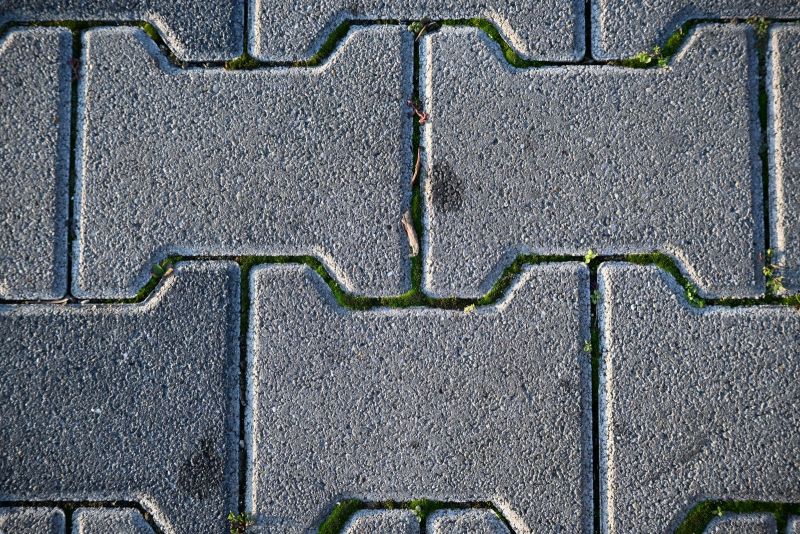
Where block genuinely beats slabs is movement and repair. Blocks are laid on 30 - 50mm of sharp sand rather than bonded to a mortar bed, so when clay ground heaves in a hard frost the surface flexes rather than cracking. Lifting and relaying a sunken 2m² patch of block is typically a £150 - £300 job. A cracked bedded slab means breaking out mortar, and matching a discontinued colour after five years is often impossible.
Where Slabs Are Still the Better Choice
If your patio is a big open rectangle with no curves, and you want the lowest possible maintenance, slabs are the smarter buy. Porcelain in particular has water absorption below 0.5%, so it is effectively frost-proof and grows almost no moss. Block paving has more joints, and joints in a damp northern climate mean more weed and moss management. We go into full surface-by-surface pricing in our guide to patio installation costs in Newcastle if you want to compare every option side by side.
Laying Patterns and What Each One Costs You
The pattern changes both the look and the price, mostly through cutting waste. A 45 degree herringbone is the strongest layout because no joint runs continuously in any direction, and it is the one to pick if the patio doubles as a route for a wheelbarrow or a bin. It also generates the most cutting, adding around 8 - 12% waste and a few hours of labour.
A 90 degree herringbone is nearly as strong with slightly less cutting. Stretcher bond, laid like brickwork, is the quickest and cheapest at roughly 4 - 6% waste, and it suits long narrow yards because it visually stretches the space. Basketweave looks traditional and pairs well with older Tyneside brickwork, though it is the weakest pattern under load and is best kept for foot traffic only. Circle kits are a lovely feature in a small yard but cost £150 - £400 for the kit and generate a lot of cut infill around them.
A Trick for Small Yards
In a narrow terrace yard, laying the pattern diagonally across the space rather than square to the house makes the yard read wider by drawing the eye to the corners. It costs a bit more in cuts, maybe £80 - £150 extra on a 20m² area, and it is one of the cheapest tricks for making a small space feel bigger.
Why Newcastle's Frost and Clay Change the Build
Newcastle averages around 50 - 60 air frost nights a year, comfortably more than the UK average, and winters here run longer than most of England. Water in a poorly drained sub-base freezes, expands by roughly 9%, and pushes the surface up. Come the thaw, it drops back unevenly. That freeze-thaw cycle is what makes a shallow base fail within two or three winters.
For a patio, a compacted MOT Type 1 sub-base of 100 - 150mm is the working minimum, laid in compacted layers of no more than 100mm at a time. On soft or wet boulder clay, 150 - 200mm plus a geotextile membrane between clay and stone is the right call, because the membrane stops the stone slowly punching down into the clay and losing its thickness. That membrane costs about £1 - £2 per m². Skipping it is one of the worst value decisions in the whole job.
Choose frost-resistant units too. Good concrete blocks are rated for UK freeze-thaw, but soft budget imports are not always. Clay pavers are fired at over 1,000°C and are essentially immune to frost damage, which is part of why they hold their colour for 25 years or more while cheap concrete can fade noticeably within 5 - 8 years.
Drainage, Falls, and Permeable Options
Every block patio needs a fall of roughly 1:80 to 1:60, which is about 12 - 17mm of drop per metre, running away from the house. It should also finish at least 150mm below the damp proof course. Water has to go somewhere that is not a neighbour's garden or the foul sewer, and on clay the usual answer is a linear channel drain feeding a soakaway sized at 1 - 2m³ and sited at least 5m from the building. The rules on getting rid of surface water are set out in the government's Approved Document H on drainage and waste disposal.
Permeable block paving is the alternative. It uses wider joints filled with 2 - 6mm grit and an open-graded sub-base that stores water and lets it drain away, handling rainfall rates well beyond anything Newcastle's roughly 650 - 700mm of annual rain throws at it. Interpave's homeowner guidance on permeable paving explains how the system works in practice. It adds cost but removes the need for a separate soakaway in many cases.
The Front Garden Rule People Miss
Patios out the back are not usually caught by planning rules, but front gardens are. Paving over more than 5m² of front garden with an impermeable surface needs planning permission unless the water drains to a border or soakaway, as set out in the Planning Portal guidance on paving your front garden. Permeable block paving sidesteps the issue entirely, which is a big reason it has become the default for front-of-house work in the city.
Small Tyneside Yards, Access, and Exposure
A lot of Newcastle housing is Victorian terraces and Tyneside flats with enclosed yards of 10 - 25m². Block paving suits these spaces well, because the small unit size means curves, changes of direction, and awkward corners can be worked around with less cutting waste than a large-format slab, where a single bad cut writes off a £40 unit.
Access is the price driver nobody quotes for until they see it. If the sub-base has to come through the house or down a back lane by barrow, expect labour to rise by 15 - 30%. A tonne bag of Type 1 is roughly 20 - 25 barrow loads, so a 20m² patio at 150mm deep can be 60-plus barrow runs on its own. Wind is worth a thought too. On exposed higher ground around the city, a 1.8m slatted screen on the prevailing side cuts wind speed by around half for a stretch of roughly ten times its height, which makes a small paved yard genuinely usable in spring and autumn.
Maintenance: Joints, Moss, and Sealing
Block paving is low maintenance rather than no maintenance. Joint sand settles and washes out, so top it up every 2 - 3 years with kiln-dried sand, which costs around £8 - £12 a bag. Alternatively, a polymeric jointing compound at £30 - £60 per bag sets firm, resists weeds far better, and typically lasts 5 - 10 years before it needs attention.
Moss and green algae are the North East's speciality, thanks to damp winters and low winter light. A brush and a suitable patio cleaner once a year usually keeps it in check. Go easy with a pressure washer, because too much pressure strips joint sand and starts the problem again; keep the lance at least 200mm from the surface and re-sand afterwards. Sealing is optional and costs about £5 - £12 per m², but it does help concrete blocks hold colour and makes stains from barbecues or plant pots easier to shift.
Getting a Fair Quote and Making It Last
Ask for the build-up in writing, not just a total. You want the excavation depth, the sub-base type and compacted thickness, whether a geotextile membrane is included, the bedding sand depth, and how edges are restrained. Edge restraints matter more than people realise: without a haunched concrete edge, blocks creep outwards and the whole field of paving loosens within a few years.
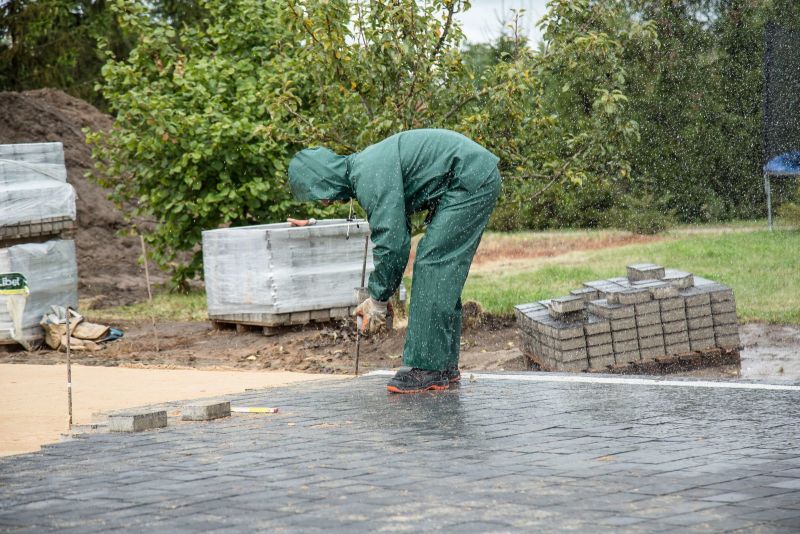
Get three written quotes and expect a 25m² patio to take 3 - 5 days with a two-person team. Be wary of anyone quoting a day and a half, because it means the base is being skimped. Check public liability cover of at least £2 million and ask whether waste is being disposed of under a registered carrier licence. Built properly on a decent base, a block paved patio in Newcastle should last 20 - 30 years, and unlike most surfaces you can keep a box of spare blocks in the shed to make any future repair invisible.
---
FAQ
Q: How much does a block paving patio cost in Newcastle?
A: Standard concrete block paving is roughly £90 - £130 per m² supplied and laid, textured or tumbled blocks £110 - £150 per m², and clay pavers £140 - £190 per m². A typical 25m² patio therefore lands at around £2,300 - £3,700. Permeable systems add about £15 - £30 per m², and extras like muckaway, steps, or a drainage channel are usually quoted separately.
Q: Is block paving better than slabs for a patio?
A: It depends on the space. Blocks are laid on sand rather than mortar, so they flex with ground movement instead of cracking, and a sunken patch can be lifted and relaid for around £150 - £300. Slabs give a calmer look with fewer joints and less weed maintenance, and porcelain with under 0.5% water absorption is effectively frost-proof. Blocks suit small, curved, or awkward Newcastle yards; slabs suit large open rectangles.
Q: What is the best laying pattern for a block paving patio?
A: A 45 degree herringbone is the strongest because no joint runs continuously, making it the best choice if the patio takes wheelbarrow or bin traffic, though it adds 8 - 12% cutting waste. Stretcher bond is the cheapest at 4 - 6% waste and suits long narrow yards. Basketweave looks traditional alongside older Tyneside brick but is the weakest under load.
Q: How deep should the base be for a patio in Newcastle?
A: A compacted MOT Type 1 sub-base of 100 - 150mm is the minimum for foot traffic, laid in layers no thicker than 100mm. On the heavy boulder clay common across Tyneside, go to 150 - 200mm and add a geotextile membrane between the clay and the stone so the sub-base does not sink into it. Given 50-plus frost nights a year here, a thin base is the most common cause of early failure.
---
Ready to work with Blocktech Landscapes Ltd?
Let's connect! We’re here to help.
Send us a message and we’ll be in touch.
Or give us a call today at 07351542487
Agency Contact Form
More Marketing Tips, Tricks & Tools
Blocktech Landscapes Ltd