Garden Steps and Terracing in Newcastle: Costs and Design for Sloped Plots
Newcastle is a city built on slopes, and a fair share of its back gardens fall away by a metre or more from the house. That is why garden steps and terracing come up so often here. As a rough guide, a single well-built step costs somewhere between £120 and £400 depending on the material, and a full terracing scheme with two or three levels usually lands between £4,000 and £15,000 once retaining, steps, and surfacing are counted. The gradient decides most of it: a garden dropping 1.5m over 10m needs a very different build to one dropping 1.5m over 4m. Add a climate with roughly 50 to 60 air frost days a year, well above the UK average, plus heavy boulder clay that holds water for weeks, and the way steps and levels are built here matters more than the way they look. This guide covers real costs, sensible dimensions, and what actually survives a Tyneside winter.
What Garden Steps and Terracing Cost in Newcastle in 2026
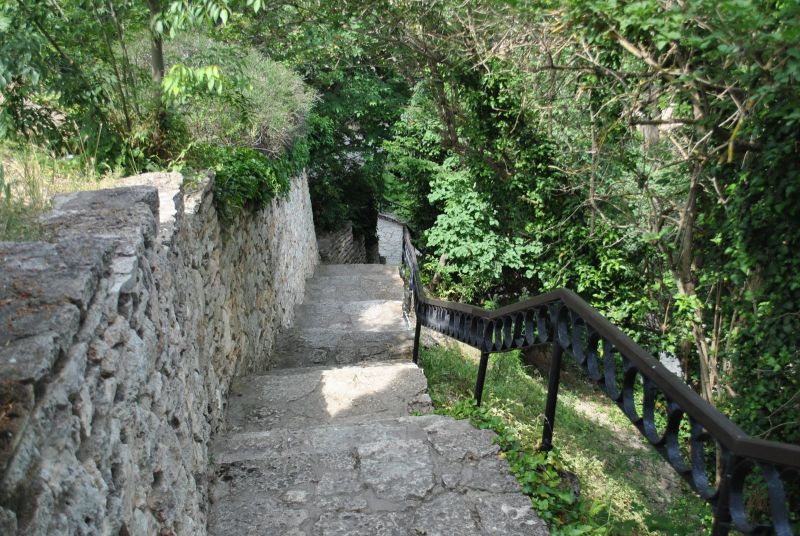
Steps are usually priced per step rather than per metre, because each one involves its own base, riser, and tread. Sleeper steps built into a bank are the cheapest proper option at roughly £120 - £250 per step. Block or brick risers with a paved tread run about £180 - £350 per step. Natural stone steps with solid stone treads sit at £250 - £500 per step, and bullnosed porcelain on a concrete core can reach £400 - £600 once cutting and adhesive are counted.
Terracing is the bigger number because it involves moving soil and holding it in place. A single new level with a low retaining wall, a set of three or four steps, and a paved area of around 20m² typically comes in at £4,000 - £8,000. A two or three tier scheme across a 60 - 80m² sloping garden is more commonly £9,000 - £18,000. Retaining alone is often £150 - £350 per m² of wall face, and that is the line that quietly doubles when a slope is steeper than it first looked. Blocktech Landscapes Ltd works on sloped plots right across Newcastle and the wider North East, and the quickest way to get a realistic figure is a site visit arranged through the Blocktech Landscapes website.
One cost people rarely budget for is muckaway. Digging into a bank on a terraced street can generate 5 - 15 tonnes of spoil, and skip or grab hire for clay is usually £250 - £450 per load.
Getting the Gradient and Step Dimensions Right
Garden steps are not house stairs, and copying indoor proportions is the most common mistake we see. Outdoors you want a lower riser and a deeper tread, because people walk them in wet boots and often carrying something. A riser of 100 - 150mm with a going of 350 - 450mm feels comfortable in a garden, against the 190mm riser and 250mm going you would find on an internal staircase.
The old rule still works: twice the riser plus the going should land between 550mm and 700mm. So a 125mm riser wants roughly a 350mm tread. Every step in a flight must be the same height within about 5mm too, because the human foot notices an uneven riser long before the eye does, and that is where trips happen.
When Building Regulations Actually Apply
Purely ornamental garden steps sit outside the building regulations, but the moment steps form part of the access to a building, or there is a drop involved, the rules start to matter. Where a level change or terrace edge creates a fall of more than 600mm, guarding becomes a genuine safety expectation, and the government's Approved Document K on protection from falling, collision and impact is the reference point for handrail and guard heights. A handrail on any flight of three or more steps is worth having anyway when the ground is frosty for two months of the year.
How Many Levels a Newcastle Slope Actually Needs
Work out the total fall first. Peg the top and bottom of the garden, run a string line, and measure the drop. A garden falling 900mm over 12m is a gentle 1 in 13 and can often be handled with a single low retaining wall and three steps. A garden falling 2m over 8m is 1 in 4, and that realistically needs two or three terraces if you want usable flat space rather than a sloping lawn nobody sits on.
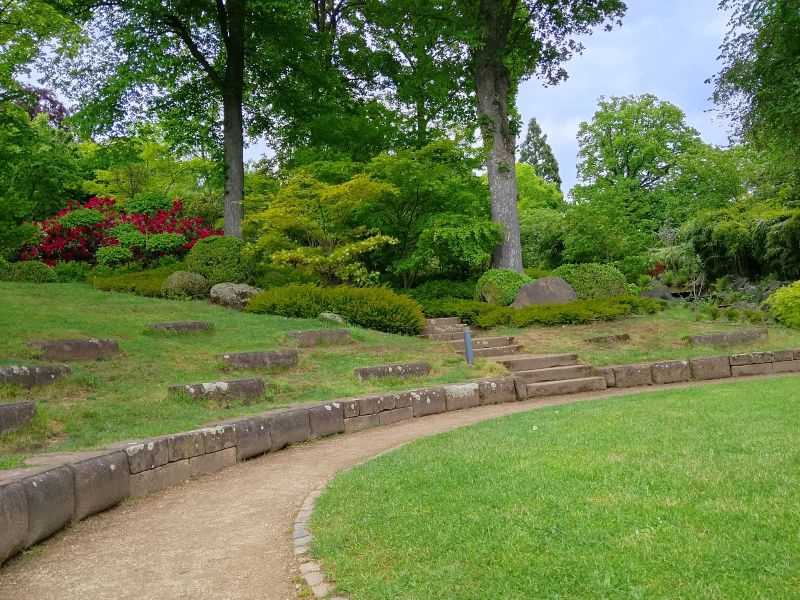
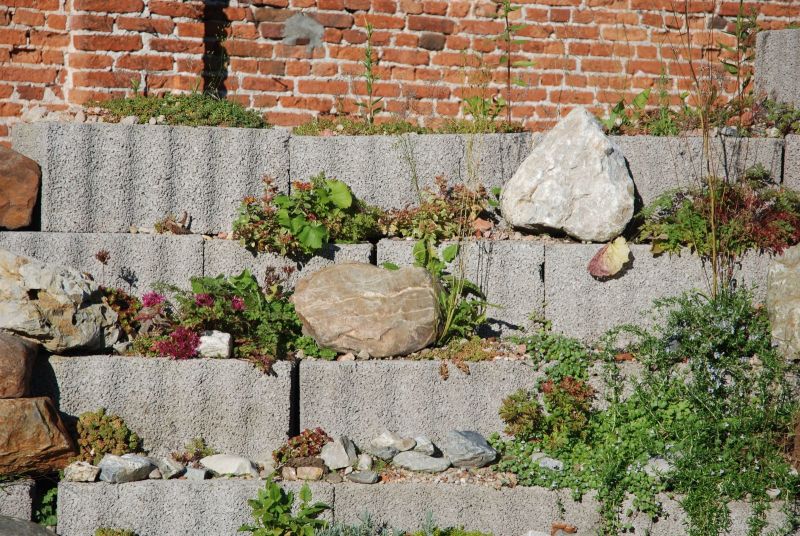
As a planning rule of thumb, aim for each terrace to be at least 2.5 - 3m deep front to back. Anything shallower feels like a ledge rather than a room. Retaining heights of 450 - 900mm per level are the sweet spot for cost, because walls under 1m can usually be built in mortared block or sleepers, while anything over 1m tends to need engineered design and often steel or reinforced concrete, pushing the per-square-metre cost up by 40 - 70%.
Cut and Fill: Moving Soil Without Blowing the Budget
The cheapest terracing scheme is the one that balances cut and fill, meaning soil dug out of the upper level is reused to build up the lower one. Get that balance right and you might remove no spoil at all. Get it wrong and you pay twice: once to take clay away and again to bring topsoil back in at around £45 - £70 per tonne bag. Fill also needs compacting in 150mm layers, because loose clay settles by 10 - 15% over the first two winters and will drop a new patio with it.
Materials That Survive Tyneside Winters
Freeze-thaw is the quiet killer of garden steps in the North East. Water soaks into a porous tread, freezes overnight, expands by roughly 9%, and lifts the surface a fraction at a time. With 50-plus frost nights a year here, a soft Indian sandstone tread can start shelling within five or six winters, while a dense granite, engineered porcelain, or good concrete block will shrug it off for 20 years or more.
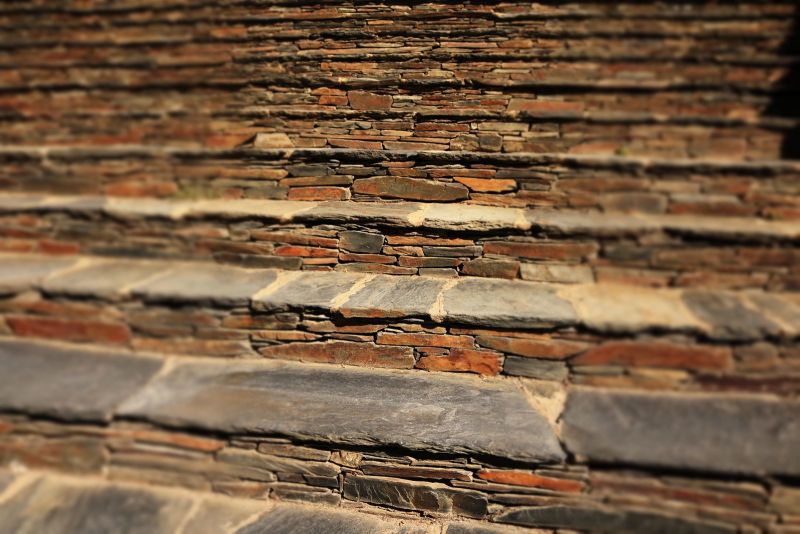
Sleepers remain the best value for steps cut into a bank. Oak lasts 20 years or more and treated softwood 10 - 15 years in our damp climate. Porcelain looks superb and takes almost no maintenance, but it costs £45 - £90 per m² for the material alone and every step nosing needs a mitred edge, which is skilled and slow work. Whatever the material, use galvanised or stainless fixings, because ordinary steel screws will bleed rust stains down a riser within one winter.
Slip Resistance Matters More Than It Sounds
Newcastle gets around 650 - 700mm of rain a year spread over roughly 140 wet days, and north-facing steps in a terraced yard can stay damp for weeks at a stretch. Look for a surface with a slip rating of R11 or better outdoors, avoid polished finishes entirely, and keep treads falling forward by 1 - 2% so water runs off rather than sitting in a puddle that freezes at 4am.
Retaining, Drainage, and Boulder Clay
Most of Tyneside sits on glacial boulder clay, which is strong when dry and greasy when wet. That combination puts real pressure on retaining structures, because saturated clay behind a wall can generate several times the load of free-draining soil. Every retaining wall in a terracing scheme needs a drainage layer of 150 - 300mm of clean stone behind it, a perforated land drain at the base, and weep holes every 900mm - 1.2m through the face.
Clay also drains slowly, so terraces need somewhere for surface water to go. A soakaway on clay has to be bigger than most people expect, often 1 - 2m³ for a modest patio, and it must sit at least 5m from the house. The RHS guidance on gardening and building on clay soils explains why the ground behaves the way it does here. We have covered the structural side in far more depth in our guide to garden walls and retaining structures in Newcastle, which is worth reading before you commit to a multi-level design.
Steps and Terracing in Small Tyneside Yards
Plenty of Newcastle homes are Victorian terraces and Tyneside flats where the garden is a 15 - 30m² enclosed yard, often with a change of level down to a back lane. Space is tight, so a straight flight eats the plot. A quarter-turn flight with a small landing, or steps tucked along one boundary, usually frees up 2 - 3m² of usable space, which is a big deal when the whole yard is the size of a bedroom.
Access changes the price too. If everything has to come through the house or down a shared back lane by barrow, expect labour to rise by 15 - 30% compared with a garden a machine can reach. A mini digger needs about 900mm of clear width, so measure the gate before assuming excavation is even possible.
Wind, Exposure, and Higher Ground
Gardens on the higher ground around the west and north of the city catch more wind than sheltered valley plots, and an exposed upper terrace can feel unusable half the year. Building a 1.5 - 1.8m planted screen or a slatted windbreak on the exposed side cuts wind speed by around 50% for a distance of roughly ten times the screen height, which turns a blowy top terrace into somewhere you will actually sit.
Planning Permission and Neighbour Considerations
Most garden steps need no permission at all. Terracing is different once walls get tall or ground levels change near a boundary. A retaining or garden wall over 1m high next to a highway, or over 2m elsewhere, normally needs planning permission, and the Planning Portal guidance on fences, gates and garden walls sets out the thresholds clearly. Raising ground level near a boundary can also count as engineering operations, so it is worth a quick call to Newcastle City Council's planning team if a terrace will sit noticeably higher than next door.
Listed buildings and conservation areas across the city are stricter again, and permitted development rights are sometimes removed entirely. Check before you dig, not after. A retrospective application costs the same as a normal one and takes around eight weeks either way.
Getting a Fair Quote and Making It Last
Compare quotes on what is underneath, not the finish. Ask how deep the foundations to any retaining wall go, what the drainage layer behind it is, how spoil is being handled, and whether steps are built on a concrete base or bedded on hardcore. A step laid straight on clay will move within two winters, and re-doing it costs more than building it properly the first time.
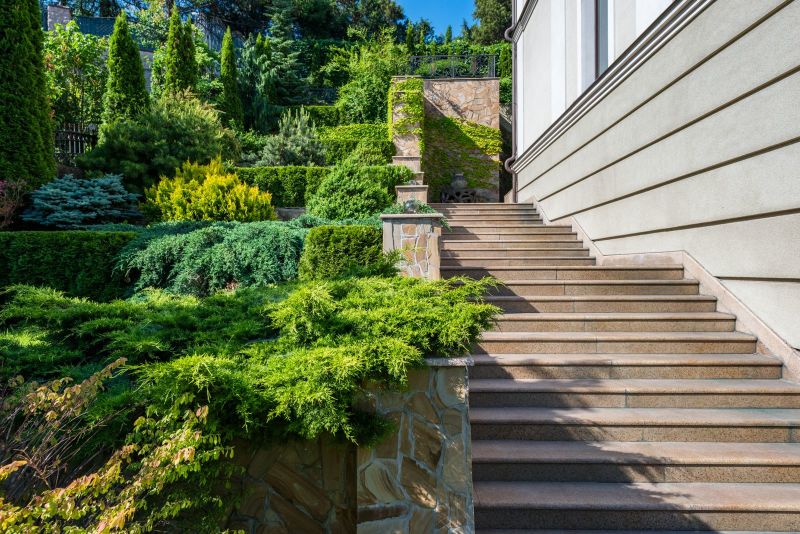
Expect a proper terracing job on a 70m² sloped Newcastle garden to take 3 - 6 weeks, and be wary of anyone quoting a week. Get at least three written quotes, check the contractor carries public liability cover of at least £2 million, and confirm any wall over 1m has been designed rather than guessed. Done well, steps and terraces should serve a garden for 20 - 30 years, and they typically add far more usable outdoor space than the same money spent on a bigger patio on a slope nobody uses.
---
FAQ
Q: How much do garden steps cost in Newcastle?
A: Sleeper steps built into a bank are roughly £120 - £250 per step, block or brick risers with a paved tread about £180 - £350 per step, and natural stone or porcelain steps £250 - £600 per step. Price depends on the material, the width of the flight, and whether a concrete base is needed. Awkward access on a terraced street can add 15 - 30% to labour.
Q: What does terracing a sloped garden cost in Newcastle?
A: A single new level with a low retaining wall, a short flight of steps, and around 20m² of paving usually costs £4,000 - £8,000. A two or three tier scheme across a 60 - 80m² sloping garden more commonly runs £9,000 - £18,000. Retaining is often £150 - £350 per m² of wall face, and walls over 1m need engineered design, which can add 40 - 70% to that rate.
Q: What are the right dimensions for garden steps?
A: Outdoor steps should be shallower and deeper than indoor stairs. Aim for a riser of 100 - 150mm and a going of 350 - 450mm, keeping twice the riser plus the going between 550mm and 700mm. Every riser in a flight should match within about 5mm, and treads should fall forward by 1 - 2% so rain runs off instead of freezing on the surface.
Q: Do I need planning permission to terrace a garden in Newcastle?
A: Steps themselves rarely need permission. Retaining and garden walls do once they exceed 1m next to a highway or 2m elsewhere, and significantly raising ground levels near a boundary can count as an engineering operation. Conservation areas and listed properties are stricter, so check with Newcastle City Council before work starts rather than applying retrospectively.
---
Ready to work with Blocktech Landscapes Ltd?
Let's connect! We’re here to help.
Send us a message and we’ll be in touch.
Or give us a call today at 07351542487
Agency Contact Form
More Marketing Tips, Tricks & Tools
Blocktech Landscapes Ltd