Real Turf vs Artificial Grass in Newcastle Gardens: Cost, Upkeep, and the Verdict
Most guides to real turf versus artificial grass stop at the day-one price and leave you to guess the rest. That's the wrong way to make this decision, because the cheaper surface on day one is rarely the cheaper surface over 15 years. Real turf costs £8 - £14 per square metre laid in Newcastle, while artificial grass runs £40 - £100 - a five-to-one gap that flips once you add up mowing, feeding, and the odd re-turf. This post is built around the decision itself: the running cost over time, the year it breaks even, the hours each one steals from your weekends, and which surface genuinely copes with a North East climate that keeps soil below the 8°C germination threshold until late April and dumps around 650mm of rain a year on heavy Tyneside clay. No sales pitch for either side - just the numbers and an honest verdict for your kind of garden.
The Real Cost Over Time, Not Just Day One
Start with a 40m² back garden, a common Newcastle size. Real turf lands at £320 - £560 supplied and laid. Artificial grass on the same plot is £1,600 - £4,000 installed, because the sub-base, membrane, and pinning are most of the work. On day one, turf wins by roughly £1,300 - £3,400, and that headline is where most comparisons stop.
Now run the tally forward. A real lawn costs £150 - £300 a year to keep - petrol, feed, moss treatment, the occasional bag of seed - while artificial grass costs £20 - £40 a year to brush and rinse. So real turf claws back its saving at £130 - £260 a year, but it never runs out of that annual bill, whereas the artificial surface mostly sits there. If you want to sanity-check either budget against your own plot, Blocktech Landscapes Ltd installs and maintains both across Newcastle and can price your actual garden rather than an average one.
The honest headline: over five years, turf is clearly cheaper. Over fifteen, they're often within a few hundred pounds of each other. Which side of that line you land on depends almost entirely on whether you do the mowing yourself or pay someone.
Which Surface Suits Newcastle's Climate?
This is the question that actually decides most Newcastle gardens, and it tilts differently than it would in the South. Grass seed and turf need soil consistently above 8 - 10°C to root and grow, and in the North East that window runs only from late April to early October - a good month shorter than the South East. The growing season is compressed, so a real lawn establishes slower, recovers from wear slower, and spends longer looking tired.
Then there's the wet. Newcastle's 650mm of annual rain keeps a real lawn green with almost no watering, which is a genuine tick in its favour. But that same rain sits on Tyneside's boulder clay through a winter that runs frost from October to late April, and a real lawn on wet clay churns to mud under kids and dogs for a solid five months. Artificial grass, laid on a free-draining sub-base, stays walkable the day after heavy rain and shrugs off the shade that thins real grass in a north-facing terrace yard. On pure climate suitability, the North East leans harder toward artificial than a milder, sunnier region would.
The Shade Factor Most Newcastle Gardens Have
Real grass needs about four hours of direct summer sun to hold up. A yard walled in by two-storey Victorian terraces in Heaton, Byker, or Fenham often gets less than that, and next to none in winter. In deep shade, standard turf thins to moss and mud no matter how well it's laid, while artificial grass looks the same in June and January. If your garden is shaded, the climate question is already half answered.
The Break-Even Point: When Artificial Grass Pays Back
Homeowners always ask when the extra spend on artificial grass earns itself back, so here's the maths on that 40m² garden. The upfront difference is roughly £1,040 - £3,440. Divide that by the £130 - £260 a year you save on maintenance, and artificial grass breaks even somewhere around year 8 to year 14 for most Newcastle gardens - sooner if you'd otherwise pay a gardener £30 - £50 a visit, later if you enjoy mowing and do it free.
The catch that keeps it honest: artificial grass fades and flattens after 15 - 20 years and then needs replacing wholesale at today's £40 - £100 per m², whereas a real lawn cared for properly can last indefinitely. So the break-even is real, but it arrives late enough that artificial grass is a long-hold decision, not a quick win. If you might re-landscape or move within eight years, turf is almost always the cheaper choice. We break down the artificial side in full in our 2026 guide to artificial grass costs in Newcastle if you want the detailed numbers.
Year-Round Usability: Kids, Dogs, and a Long Tyneside Winter
Cost is only half the decision - the other half is how many months a year you can actually use the garden. From November to March, a real Newcastle lawn is often too soft and wet to walk on without wrecking it, and mowing stops entirely. That's five months where a family lawn is effectively off-limits, and for households with kids and dogs it's the single biggest frustration with real grass in the North East.
Artificial grass drains through its backing and is usable the day after a downpour, right through winter, with no mud tracked into the house. For a busy family, that year-round usability is frequently worth more than the cost comparison. Against that, a real lawn is cooler underfoot in the rare Newcastle heatwave - artificial grass can reach 40 - 60°C in direct summer sun - and it's softer for a toddler's knees. The Which? guide to artificial grass is a useful neutral read on what a good-quality pile should deliver and the durability to look for.
Upkeep: The Hours Each One Really Costs You
Money is easy to compare; time is the figure people forget. Through the North East growing season, a real lawn wants mowing every 7 - 14 days, plus edging, two or three feeds, autumn scarifying to pull out the moss Newcastle's damp air encourages, and overseeding thin patches. Add it up and a modest lawn is 35 - 50 hours of work a year - most of it squeezed into the exact spring and summer weekends you'd rather spend in the garden than on it.
Artificial grass asks for maybe an hour a month: a brush to lift the pile, a rinse for dust, and clearing autumn leaves before they rot into the infill - call it 12 hours a year. There's no mowing, no feeding, no moss. For older homeowners, anyone without a shed for a mower, or families short on weekend time, that reclaimed time is the real product. Moss deserves a special mention up here: the region's cool, wet, low-light winters suit it perfectly, and a shaded Tyneside lawn can be half moss by February without regular treatment that artificial grass simply never needs.
Drainage and Groundwork: The Hidden Cost on Tyneside Clay
Whichever way you lean, Newcastle's clay is the detail that makes or breaks the result, and it's where cheap quotes cut corners on both surfaces. For real turf, proper prep means breaking up compaction to 100 - 150mm and adding 50 - 100mm of screened topsoil, or the lawn drowns by its second winter. The RHS lawns hub covers ground prep and aftercare in more depth than any supplier leaflet.
Artificial grass isn't exempt - laid straight onto clay it pools water, smells, and grows algae within two years. It needs a free-draining sub-base of 50 - 75mm compacted MOT Type 1 and sharp sand, and on heavy Tyneside ground that sometimes means a soakaway or land drain first at £600 - £2,000. Anyone quoting artificial grass on Newcastle clay without a proper permeable build-up is setting you up for a boggy surface. If you're covering a large area, drainage is also a planning matter: the government's guidance on permeable surfacing and drainage explains when run-off has to be managed on your own plot rather than pushed onto the road.
The Verdict: A Simple Decision Guide by Garden Type
Here's the honest steer, sorted by the garden you actually have. Small, shaded terrace yard under 25m²: artificial grass usually wins - real grass won't thrive in under four hours of sun, and the modest £1,000 - £2,000 install buys a surface that survives a dog and a winter. Larger, sunny suburban garden in Gosforth or Kenton: real turf is the clear pick - it's cheap at £8 - £14 per m², thrives in the light, and suits the space. Busy family that wants the garden usable in January: artificial grass, for the year-round, mud-free usability alone.
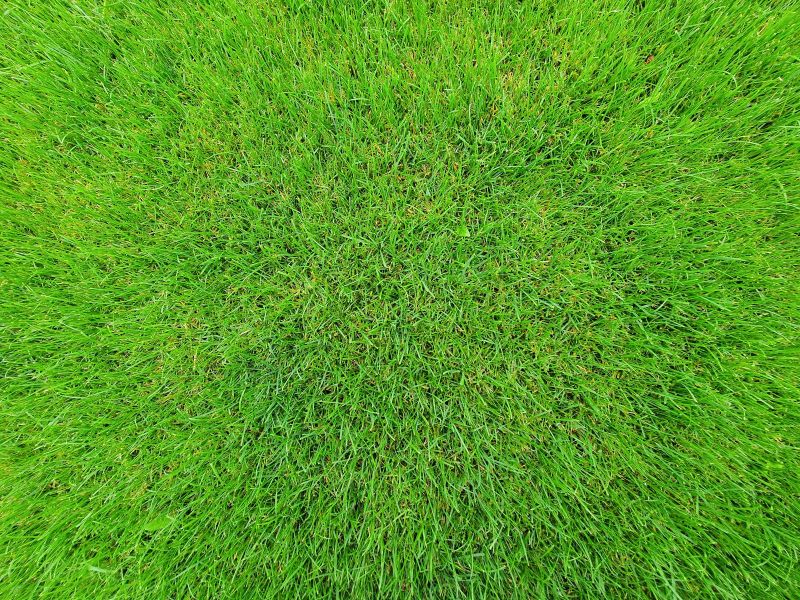
And the case for keeping it real: if your garden gets the light, you don't mind the mowing, and you value the cooling, pollinator-feeding, rainwater-absorbing side of a living lawn, real turf is the greener and more pleasant surface in Newcastle - and often the cheaper one if you do the work yourself. Plenty of Tyneside plots are best served by a mix: real lawn where the light allows, artificial or planting where it's too shaded to bother. There's no universally right answer, only the right one for your plot, your time, and how you'll actually live with it.
---
FAQ
Q: Is real turf or artificial grass cheaper in Newcastle over time?
A: Real turf is far cheaper on day one at £8 - £14 per square metre against £40 - £100 for artificial grass, so a 40m² garden is £320 - £560 versus £1,600 - £4,000. But real grass costs £150 - £300 a year to maintain while artificial costs £20 - £40, so the gap closes by £130 - £260 a year. Over five years turf is clearly cheaper; over fifteen they're often within a few hundred pounds.
Q: When does artificial grass break even against a real lawn in the North East?
A: For a typical 40m² Newcastle garden, artificial grass breaks even around year 8 to 14 - sooner if you'd otherwise pay a gardener, later if you mow it yourself for free. Because artificial grass needs replacing after 15 - 20 years, it's best treated as a long-hold decision. If you might move or re-landscape within eight years, turf is almost always cheaper.
Q: Which copes better with Newcastle's climate, turf or artificial grass?
A: On pure climate suitability the North East leans toward artificial grass. Real grass only grows reliably from late April to early October here, churns to mud on wet clay from November to March, and thins badly in the shade common to terrace yards. Artificial grass stays usable year-round on a proper draining sub-base. Real turf still wins where a garden gets four-plus hours of summer sun and good drainage.
Q: How much time does a real lawn take to maintain in Newcastle?
A: Roughly 35 - 50 hours a year through the growing season - mowing every 7 - 14 days, feeding, edging, autumn scarifying for moss, and overseeding. Artificial grass needs about 12 hours a year of brushing, rinsing, and leaf clearing. The reclaimed time is one of the main reasons Newcastle families choose artificial.
Q: Does artificial grass drain properly on Newcastle's clay soil?
A: Only on a free-draining sub-base of 50 - 75mm compacted MOT Type 1 and sharp sand. On heavy Tyneside clay you sometimes need a soakaway or land drain first at £600 - £2,000. Laid straight onto clay, artificial grass pools water and grows algae within a couple of years, so the groundwork is not the place to save money.
---
Ready to work with Blocktech Landscapes Ltd?
Let's connect! We’re here to help.
Send us a message and we’ll be in touch.
Or give us a call today at 07351542487
Agency Contact Form
More Marketing Tips, Tricks & Tools
Blocktech Landscapes Ltd