Composite Fencing in Newcastle: Costs, Lifespan, and How It Compares to Timber
Composite fencing is the boundary upgrade a lot of Newcastle homeowners look at once they've replaced one storm-wrecked timber fence too many. It's made from wood fibres bonded with recycled plastic, so it doesn't rot, warp, or need repainting - and in a city that regularly sees winter gusts over 50mph off the North Sea, that durability is the whole selling point. Expect to pay roughly £70 - £130 per linear metre supplied and fitted in 2026, or around £120 - £220 per finished 1.8m panel, which is close to double the £35 - £70 per metre a standard timber fence costs here. That gap is real, and it puts a lot of people off at first glance. But composite typically lasts 20 - 30 years against timber's 8 - 15, and it skips the £30 - £60 re-treat every couple of years. This guide covers what composite fencing actually costs in Newcastle, how long it lasts against Tyneside weather, and when timber is still the smarter buy.
What Composite Fencing Costs in Newcastle in 2026
Supplied and fitted, composite fencing in Newcastle runs roughly £70 - £130 per linear metre, or about £120 - £220 for a finished 1.8m x 1.8m bay. A 15-metre boundary therefore lands somewhere between £1,100 and £2,000, against £550 - £1,100 for the same run in standard timber. Most of that difference is the boards themselves: a single composite infill board is £15 - £30, and a 1.8m panel uses six or seven of them, so the material cost per bay is £90 - £180 before posts and labour.

The rest of the price is the frame and fitting. Composite fences almost always use aluminium or composite posts at £35 - £70 each rather than the timber or concrete posts a timber fence relies on, and the boards slot down between them, so there's no nailing and no gravel board to rot. Labour is broadly similar to a timber install at £150 - £250 per day, and a 15-metre run is usually a one to two day job. Blocktech Landscapes Ltd fits both composite and timber boundaries across Newcastle and the wider North East, and you can talk through which suits your garden and get a measured quote via the Blocktech Landscapes website.
One honest note on cheap composite: budget WPC boards under about £12 each are often thinner, hollow, and prone to fading. On an exposed Tyneside boundary that gets hammered by sun and driving rain, spending £3 - £5 more per board on a co-extruded (capped) product is money well spent.
Composite vs Timber: The Honest Comparison
On day one, timber wins on price and it isn't close. A 15-metre timber fence at £550 - £1,100 undercuts composite by £500 - £900. If budget is the only thing that matters, or you're fencing a boundary you might move in a few years, timber is the sensible call.
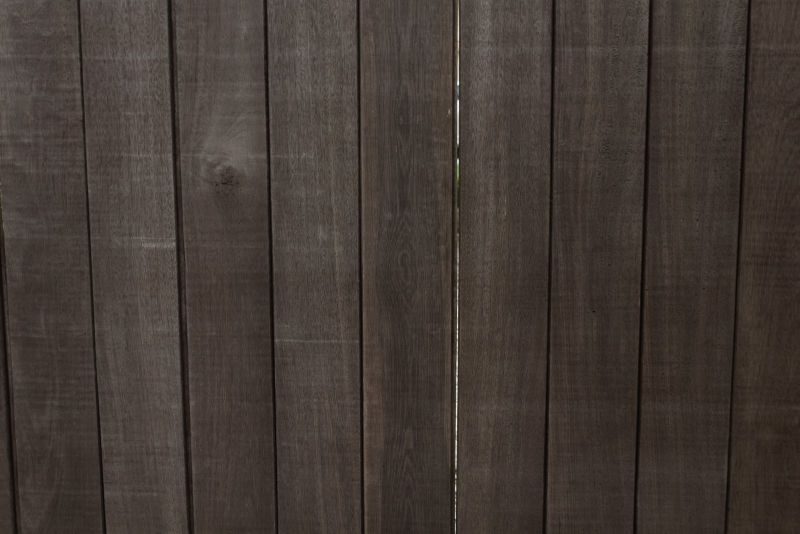
The picture flips over the life of the fence. Timber needs re-staining or treating every 2 - 3 years at £30 - £60 in materials plus half a day of your time, and even then softwood posts rot at the ground line within 8 - 15 years in Newcastle's wet clay. Composite asks for an occasional wash with soapy water and nothing else - no stain, no rot, no annual weekend lost to a paintbrush. Over a 25-year horizon, a timber fence is usually replaced at least once and treated eight or nine times, while a composite fence is very often still standing on its original boards.
Where Timber Is Still the Better Choice
Composite isn't automatically right. If you like the warm, natural look of real wood, want the cheapest possible boundary, or you're fencing a long rural run where the cost difference multiplies fast, timber still makes sense. Composite also expands and contracts with temperature, so it needs a small expansion gap left at each board end - get that wrong and boards can bow in summer heat. We go through timber prices, post choices, and wind-proofing in full in our 2026 guide to garden fencing costs in Newcastle if you want to compare the two properly.
How Long Composite Fencing Lasts in the North East
Lifespan is where composite earns its price back. A good capped composite fence carries a manufacturer warranty of 10 - 25 years and, in practice, tends to last 20 - 30 because it isn't relying on you keeping up a treatment schedule to survive. That matters in Newcastle, where the thing that kills timber fences isn't age so much as neglected maintenance colliding with a damp climate.
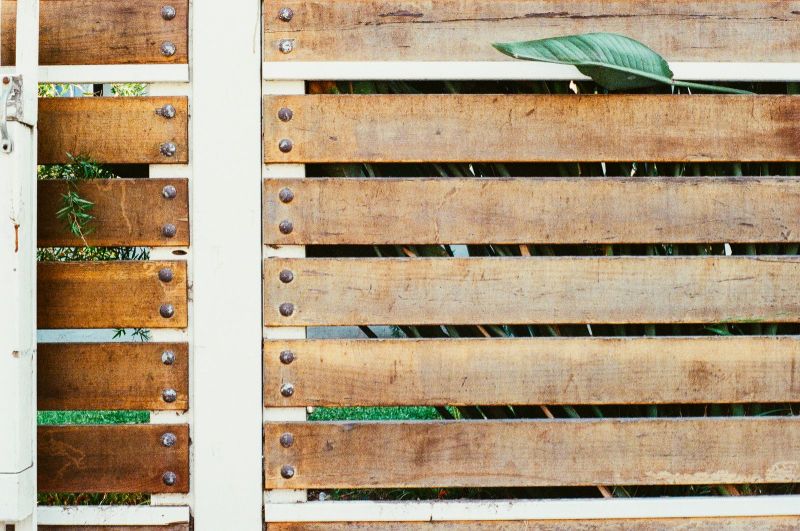
Compare that to timber. A well-treated timber fence with concrete posts might reach 15 - 20 years, but the far more common outcome on Tyneside is posts rotting through at 8 - 15 years and panels greying and warping well before that. Because composite doesn't absorb water the way softwood does, it doesn't feed the rot, moss, and algae that damp North East winters throw at timber. It still grows a little surface green film in a shaded, north-facing yard, but that hoses off rather than eating into the material.
The aluminium posts most composite systems use are the other half of the longevity story. They don't rot, don't rust like steel, and don't need the deep concrete footing a timber post fights the clay for - which is a genuine advantage on the heavy boulder clay under much of Newcastle.
Why Newcastle's Weather Makes the Case for Composite
Newcastle is one of the windier corners of England, and wind is the number one killer of fences here. Exposed and elevated parts of Tyneside regularly record winter gusts of 50 - 60mph between October and March, and a solid fence panel acts like a sail - the force on it climbs sharply with height and with how little air passes through. Composite scores well here because the boards are heavier and stiffer than thin overlap timber, and because quality systems are engineered to slot securely into their posts rather than relying on a couple of nails.
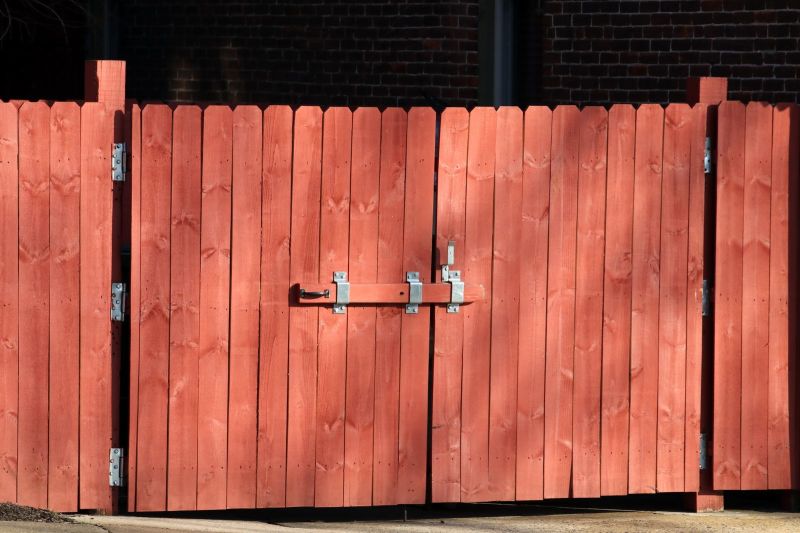
Driving rain is the second factor. The North East takes around 650mm of rain a year, much of it blown horizontally against boundaries through a long wet winter that runs from October into April. Timber sat in that constant damp is exactly why it rots at the base; composite simply doesn't care, absorbing well under 1% of its weight in water against softwood's 15 - 20%.
Frost, Clay, and Ground Movement
Newcastle averages 50 - 60 air frost nights a year, comfortably above the England average, and frost heave shifts fence posts about as ground freezes and thaws. Aluminium composite posts set correctly ride this out better than timber posts sitting in waterlogged clay that swells and shrinks with every freeze. For a full picture of how Tyneside's clay affects any groundwork, the Royal Horticultural Society's guidance on working with clay soils is a useful plain-English read.
Installation, Posts, and What Drives the Price
The single biggest price driver on a composite fence is the post system. Aluminium posts with matching caps and infill channels cost £35 - £70 each, and you need one roughly every 1.8m plus corners and ends, so a 15-metre run needs nine or ten posts - £315 - £700 in posts alone. This is why composite lands where it does on price, but it's also why the finished fence holds together for decades.

Ground conditions shape the rest. On Newcastle's boulder clay, post holes are slow, heavy digging, and each aluminium post still wants a 400 - 600mm concrete footing at a bag or two of postmix, £5 - £8 a bag. Access matters too: on a Victorian terrace with no rear lane, every post, board, and bag of postmix comes through the house and the spoil goes back out the same way, which typically adds 15 - 30% to labour. Slopes add cost as well, since composite boards can be stepped or raked to follow a fall, and stepping means more cutting and more posts.
Composite Fencing and Planning Rules in Newcastle
The material doesn't change the planning rules - height does. In most cases you can put up a fence to 2m at a rear boundary without planning permission, but the limit drops to 1m if it's next to a road or footpath used by vehicles. The government's own planning guidance on fences, gates and garden walls sets this out clearly, and it's worth two minutes before you commit to a tall boundary.

There are two Newcastle-specific catches. Conservation areas - parts of Jesmond, Gosforth, and the city centre among them - can require permission even for a modest fence, so a quick check with Newcastle City Council saves an expensive mistake. And the Planning Portal's guidance on fences, gates and garden boundaries is a good cross-check on where the 1m and 2m limits bite. Composite doesn't get any special treatment here - a 2.4m composite screen still needs permission just as a timber one would.
Small Tyneside Yards and Whether Composite Is Worth It
A lot of Newcastle housing is Victorian terraces and Tyneside flats with enclosed yards of 10 - 25m². Short boundaries like these are where composite makes its strongest financial case, oddly, because the material premium is small in absolute terms. Upgrading a 6-metre yard boundary from timber to composite might add £300 - £500 - a modest one-off for a fence you'll likely never treat, replace, or think about again for 25 years.

There's a design angle too. Composite comes in greys, charcoals, and browns that hold their colour, so a small shaded yard doesn't end up looking like faded, greening softwood within three winters. For a north-facing terrace yard that gets a few hours of summer sun and none in winter, a colour-stable boundary makes the space feel cared-for year-round. If you do prefer the natural look and don't mind the upkeep, the RHS advice on choosing and maintaining garden fences and screens is a sensible read on timber styles. But if your honest answer is that you'll never get round to re-treating a fence, composite is the boundary that suits how you'll actually live with it.
---
FAQ
Q: How much does composite fencing cost in Newcastle in 2026?
A: Supplied and fitted, expect roughly £70 - £130 per linear metre, or about £120 - £220 for a finished 1.8m panel. A 15-metre boundary lands around £1,100 - £2,000, which is close to double a standard timber fence at £550 - £1,100. Most of the difference is the composite boards at £15 - £30 each and aluminium posts at £35 - £70 each.
Q: Is composite fencing better than timber in the North East?
A: For durability, yes. Composite lasts 20 - 30 years, absorbs under 1% of its weight in water, and never needs staining, which suits Newcastle's wet winters and 50 - 60mph coastal gusts. Timber is cheaper upfront and looks more natural, but softwood posts rot at the ground line in 8 - 15 years here and the fence needs re-treating every 2 - 3 years. Composite wins on lifespan, timber wins on day-one price.
Q: Does composite fencing need any maintenance?
A: Very little. An occasional wash with soapy water to shift the surface algae that damp North East winters encourage is about all it asks - no stain, no oil, no rot treatment. That's the main saving over timber, which needs £30 - £60 of treatment and half a day of work every 2 - 3 years.
Q: How tall can I build a composite fence in Newcastle without planning permission?
A: The material doesn't change the rule - height does. In most cases up to 2m at a rear boundary, but only 1m next to a road or footpath. Conservation areas such as parts of Jesmond and Gosforth may need permission regardless, so check the government's fencing guidance and with Newcastle City Council first.
Q: How long does composite fencing last compared to timber?
A: A capped composite fence typically lasts 20 - 30 years and carries a 10 - 25 year warranty. A well-maintained timber fence reaches 15 - 20 years at best, and more commonly 8 - 15 before the posts rot in Tyneside's wet clay. Composite's aluminium posts don't rot or need the deep concrete footing timber fights the clay for.
---
Ready to work with Blocktech Landscapes Ltd?
Let's connect! We’re here to help.
Send us a message and we’ll be in touch.
Or give us a call today at 07351542487
Agency Contact Form
More Marketing Tips, Tricks & Tools
Blocktech Landscapes Ltd